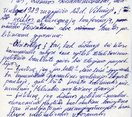
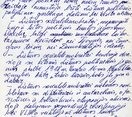
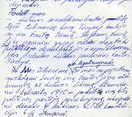
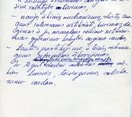
| Keturi didieji socialdemokratijos principai |
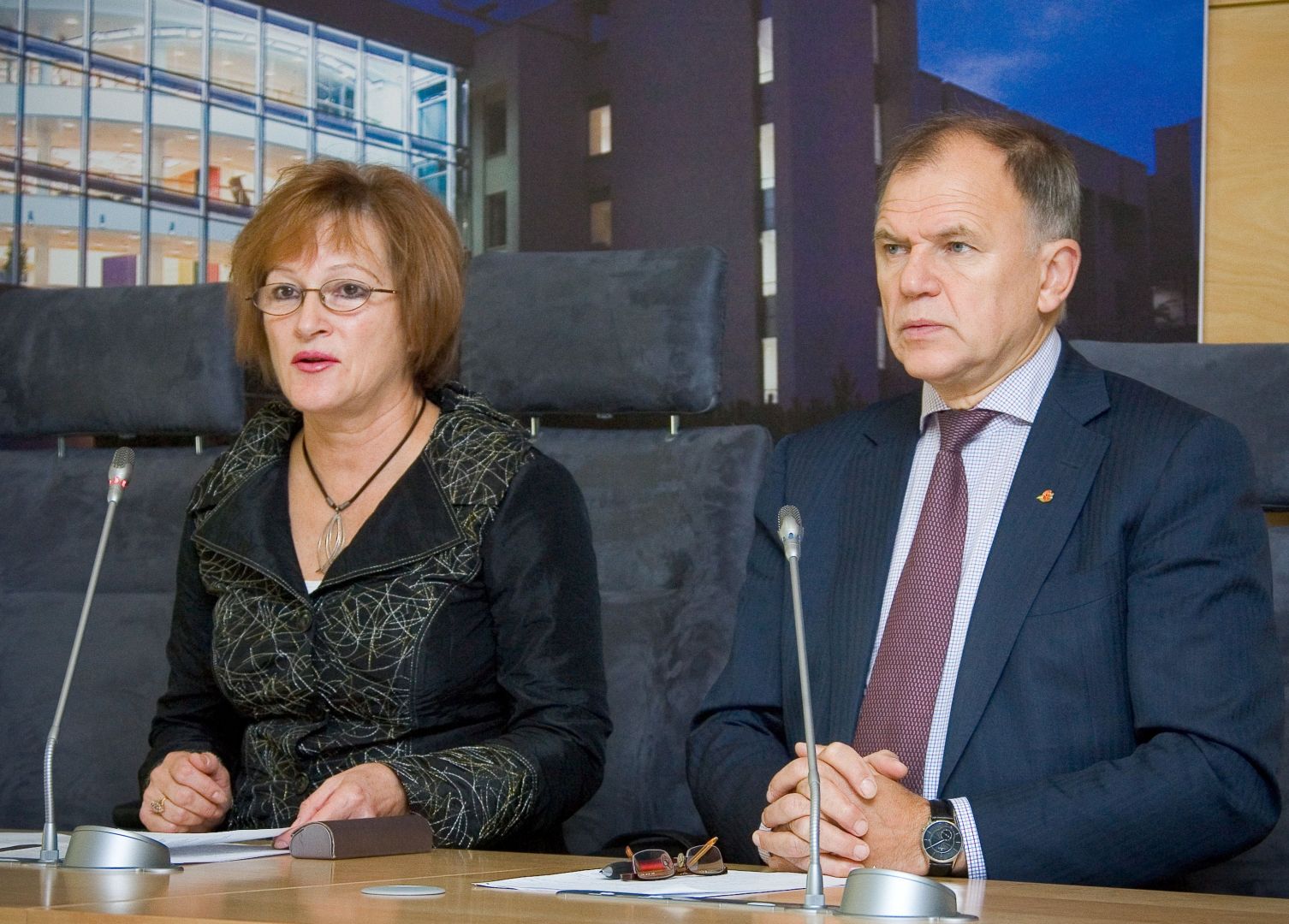
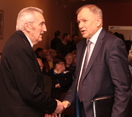
Kalbino Monika Čiuldytė-Kačerginskienė.
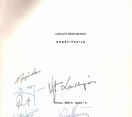
1990–1992 m. buvote Konstitucijos rengimo darbo grupės narys. Su kokiais iššūkiais ir problemomis buvo susidurta, rengiant Konstitucijos projektą. Dėl ko daugiausiai kilo diskusijų?
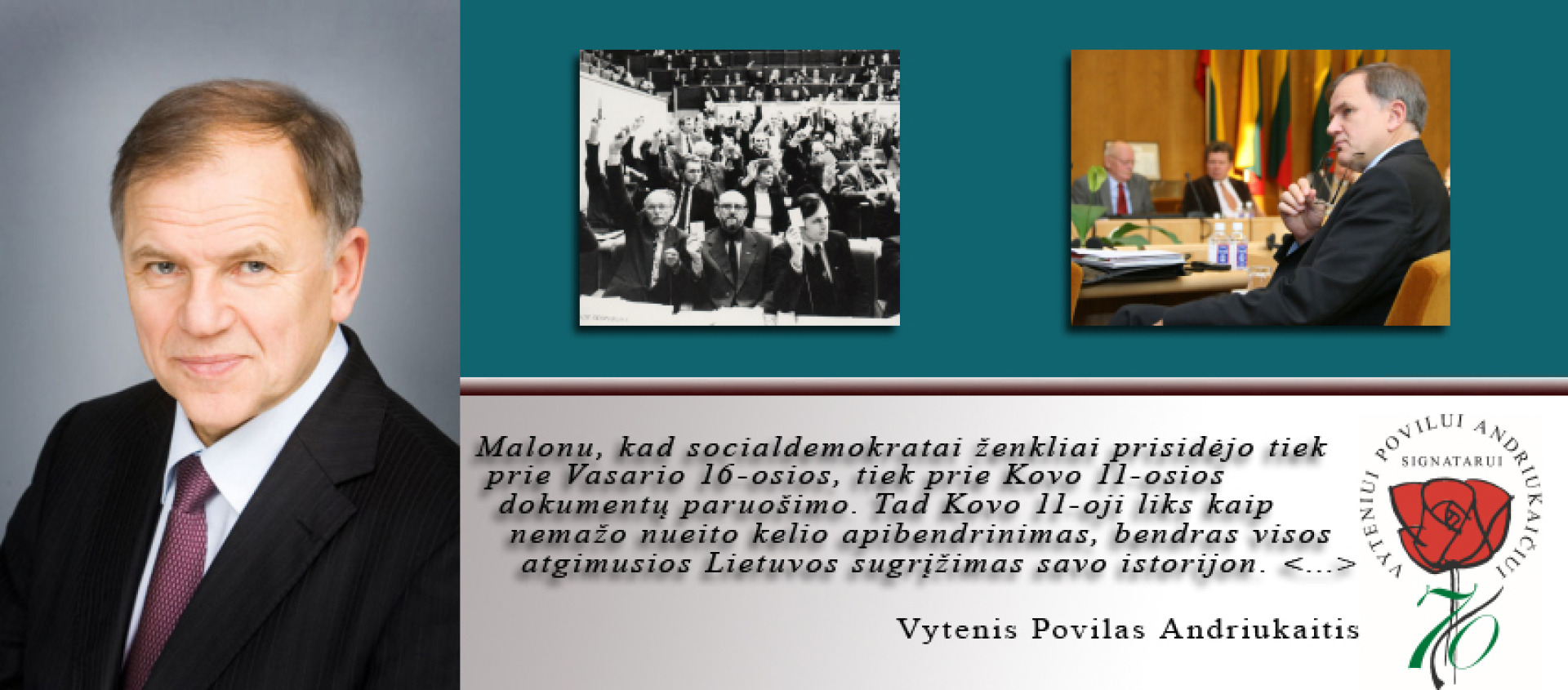
Dar prieš Konstitucijos rengimą susidūriau su svarbių valstybei dokumentų tvarkymo reikalais. Dalyvavau 1990 m. Kovo 11-osios dokumentų rengimo darbo grupės veikloje. Buvo didelė laimė čia būti ir noriu pasidžiaugti dėl vienos formuluotės, o, būtent, dėl paskutinio Akto dėl Lietuvos nepriklausomos valstybės atstatymo sakinio: projekte buvo parašyta, kad Lietuvos Aukščiausioji Taryba-Atkuriamasis Seimas sieks realizuoti valstybės suverenitetą, aš nesutikau su užduoties nukėlimu į ateitį ir po ilgų ginčų buvo priimta mano formuluotė, sakanti, kad ne sieks, o dabar realizuos valstybės suverenitetą. Tokie dalykai sukuria gyvenimo prasmės pojūtį.
Konstitucijos rengimo darbo grupėje dirbome nuo 1990 m. iki 1992 m. Šioje darbo grupėje išsiskyrė du pogrupiai – tų, kurie gynėme parlamentinę demokratiją su silpnomis prezidento galiomis, ir tų, kurie gynė prezidentinę demokratiją su stipriomis prezidento kaip vykdomosios valdžios galiomis. Prezidentinės konstitucijos gynėjai siekė realizuoti V. Landsbergio sumanymą – sukurti prezidentinę respubliką. Kadangi darbo grupėje nepavyko rasti sutarimo, ji suskilo.
Tuomet Sąjūdžio radikalai, vadinamasis Arbatos klubas, sugalvojo rengti referendumą dėl prezidento institucijos (be Konstitucijos). Prezidentinės respublikos gynėjai referendumą pralošė. Ir tuomet skilo parlamentas. V. Landsbergis išsivedė didelę dalį parlamentarų ir ėmė posėdžiauti atskirai. Siekiant įveikti krizę, buvo nutarta parengti jungtinę konstituciją, iš dviejų skirtingų konstitucijų projektų. Dėl vienų straipsnių sutarėme, o dėl kurių nesutarėme – nusprendėme palikti referendumui.
Reikia pasakyti, kad mes, parlamentinės respublikos šalininkai, laimėjome žymiai daugiau balsų (ir straipsnių), ir šiandien Konstitucinis teismas neatsitiktinai išaiškino, kad Lietuva yra parlamentinė demokratinė respublika, su kai kuriais prezidentinės respublikos bruožais. Taip stipraus prezidento šalininkai su V. Landsbergiu priešakyje pralošė žaidimą dėl prezidentinės respublikos.
Šiandien reikia pasakyti, kad šalies prezidentė D. Grybauskaitė yra prisiėmusi daugiau galių nei jai leidžia Konstitucija. Deja, neatsiranda parlamentarų-konstitucinės teisės gynėjų, kurie galėtų įrodyti, kad prezidentė D. Grybauskaitė neturi tokių teisių, kokias yra politiškai ir psichologiškai prisiėmusi.
Esate sakęs, kad Lietuvai socialdemokratija reikalinga kaip vanduo ištroškusiam, kad mums reikalinga kairioji partija su visiškai aiškiu profiliu. Kas gi nutiko Lietuvos partinei sistemai, kad per tris nepriklausomos Lietuvos dešimtmečius nebuvo išgryninta tikra socialdemokratinės ideologijos kairioji politinė jėga?
Reikia suvokti, kad socialdemokratija nėra nei partija, nei partijos nario bilietas. Tai pasaulėžiūra, paties gyvenimo poreikių pagimdyta visuomeninė mintis, sakanti, kad laisvė, lygybė, brolybė ir teisingumas yra tie keturi elementai, kurie leidžia visuomenėje gerai jaustis visiems žmonėms.
Lietuvos socialdemokratų partijai teko didžiulė atsakomybė 1992–1996 m. būti opozicijoje Lietuvos demokratinei darbo partijai, ir mes, skirtingai nuo dešiniųjų, buvome konstruktyvioje opozicijoje. 1996–2000 m. buvome opozicijoje Tėvynės sąjungos-Lietuvos krikščionių demokratų partijos blokui, ir tik nuo 2001 m., mes, kaip socialdemokratai, jau priėmę į savo gretas LDDP narius, turėjome progą būti vykdomojoje valdžioje.
2001–2002 m. mūsų pagrindinė užduotis buvo nepavėluoti integruotis į ES su kitomis dešimt šalių, kad nenutiktų taip, kaip vėliau nutiko Rumunijai ir Bulgarijai. Buvo labai daug darbo: teko priimti 800 naujų įstatymų, pertvarkyti teisinę ir socialinę sistemas, daugelį dalykų adaptuoti sklandžiam įvairių mechanizmų veikimui ES. Mums teko didžiulė nacionalinė užduotis, todėl socialiniai mechanizmai vėlavo.
Po 2004 m. rinkimų problemos buvo dar didesnės. Socialdemokratams nepavyko turėti daugumos ir jie visą laiką balansavo koalicijoje, kartais su Naująja sąjunga, kartais su Darbo partija. Vėliau ištiko pasaulinė finansų krizė. Šiame kontekste stipresniems socialdemokratų sprendimams neužteko pajėgumų.
2012–2016 m. didžiulį vaidmenį suvaidino griežtas taupymo kursas, milžiniška finansų krizė, o dar reikėjo vykdyti įstojimo į eurozoną reikalavimus. Tai smarkiai suvaržė socialines galimybes, ir vėl nebuvo galima išgryninti tikrosios socialdemokratinės politikos.
Tačiau šiandien matau tam puikias galimybes, geras atsinaujinimo sąlygas, atėjo laikas modernizuoti socialdemokratinę mintį.
Kaip Jūs matote tikrą socialdemokratą, koks jis? Kokios jo pažiūros, nuostatos?
Socialdemokratijos nėra be etikos, be tikėjimo, be vilties, be meilės žmogui, be altruizmo. Socialdemokratija kelia be galo sunkius klausimus: Jūsų laisvė, galimybių lygybė, socialinis saugumas ir teisingumas, solidarumas, Jūsų orumas ir lygiavertiškumas. Jeigu Jūs tik lūpomis, o ne širdimi kartojate apie ištikimybę keturiems principams – laisvei, lygybei, brolybei ir teisingumui, ir nesuprantate, kad tai yra sugyvenimo esmė, nesivadinkite socialdemokratais.
Šiandien dėl savo socialinių teisių į kovą po truputį kyla medikai, mokytojai, socialiniai darbuotojai, reikalaudami ne tik sąlyginai didesnių atlyginimų ir geresnių darbo sąlygų, bet vieno paprasto ir elementaraus, sakyčiau, pamatinio, išsivysčiusios demokratinės valstybės elemento – teisingesnio socialinio perskirstymo, didesnio socialinio teisingumo. Kodėl mums taip sunku jį pasiekti ir užtikrinti? Kodėl socioekonominiai rodikliai, atspindintys socialinio teisingumo buvimą ar nebuvimą šalyje, yra vieni žemiausių ES?
Jeigu lyginsime šalis, kurios buvo Tarybų Sąjungos sudėtyje, matysime, kad didelių skirtumų tarp jų nėra. Tiek Lietuvos, tiek Latvijos, tiek Estijos socialinė tikrovė yra labai panaši. Lygintis su Lenkija negalime, nes jos vadinamasis socializmas buvo šiek tiek kitoks ir startinės sąlygos, griuvus Sovietų Sąjungai, buvo kitos. Kita vertus, Lenkija yra didelė valstybė ir masto ekonomika čia veikia truputėlį kitaip nei mažųjų valstybių ekonomika. Taip pat negalime lygintis su tokiomis šalimis kaip Šveicarija. Turime kalbėti apie panašius dydžius, panašias sąlygas ir panašias startines pozicijas.
Kodėl bruzda gydytojai, mokytojai, socialiniai darbuotojai? Todėl, kad viešųjų finansų sistema yra labai primityvi, neparemta solidarumu. Kodėl mes, piliečiai, sutinkame, kad mūsų bendroje piniginėje, t. y. valstybės biudžete, būtų tiek nedaug pinigų? Todėl, kad 90 % Lietuvos žmonių mano, kad bendros piniginės nėra. Visuomenė negali toliau egzistuoti, jei jos viešieji finansai tokie menki. Kaip tuomet padidinti algas medikams, mokytojams? Atsakymas vienas – mokesčių sistema turi būti principingai peržiūrėta socialinio teisingumo linkme. Aš daug metų gyniau progresinius mokesčius ir sakiau, kad reikia pereiti prie pažangios mokesčių sistemos.
Mūsų bendrojo nacionalinio produkto perskirstymo mechanizmai yra vieni silpniausių. Šiandien mes turime dideles visuomenines išlaidas, bet menkas įplaukas. Jeigu Jūs neturite didžiulių pajamų, vadinasi, aš turiu ateiti Jums į pagalbą. Ir padaryti tai galiu, tik pasitelkus perskirstomuosius instrumentus. Kitaip sakant, viešieji finansai turi būti didesni, kad kompensuotume tuos asmeninius finansus, kurie yra nepakankami.
Kitas dalykas – mūsų nacionalinis turtas, kuris yra valdomas visiškai neprotingai. Mūsų geopolitinė padėtis atėmė iš mūsų galimybę turėti papildomas viešąsias įplaukas. Mes atsisakėme naftos tranzito iš Rusijos per Lietuvos uostus, atsisakėme dujų tranzito, kitų infrastruktūrinių projektų. Kodėl Belgija neatsisako Lukoil‘o naftos gamyklos Antverpene? Net ir taikant sankcijas Rusijai, procesai čia nenutrūksta. Mes galėtume palankiau išnaudoti savo geopolitinę padėtį, bet šaudome sau į kojas.
Ir, galiausiai, reikia pasakyti, kad, vertindami gerovę, mes negalime skaičiuoti vien BVP. Kas yra BVP? Tai yra vartojimo dydis, investicijų srautai, eksportas minus importas, bet tai neatspindi žmonių gyvenimo kokybės.
Šiandien sveikatos apsaugos sistema susiduria su daugybe iššūkių: paslaugų prieinamumas ir kokybė, medikų atlyginimai, darbo sąlygos, emigracijos mastai ir t. Kiekvienas naujas ministras siekia reformuoti sistemą, tačiau niekaip nepavyksta pasiekti proveržio šioje srityje. Ar yra įmanoma rasti bendrą vardiklį, vieną strategiją, kuria vadovautųsi visi ministrai, nepaisant partinės priklausomybės, ir, galiausiai, įvyktų kokybiniai pokyčiai sveikatos apsaugos sistemoje?
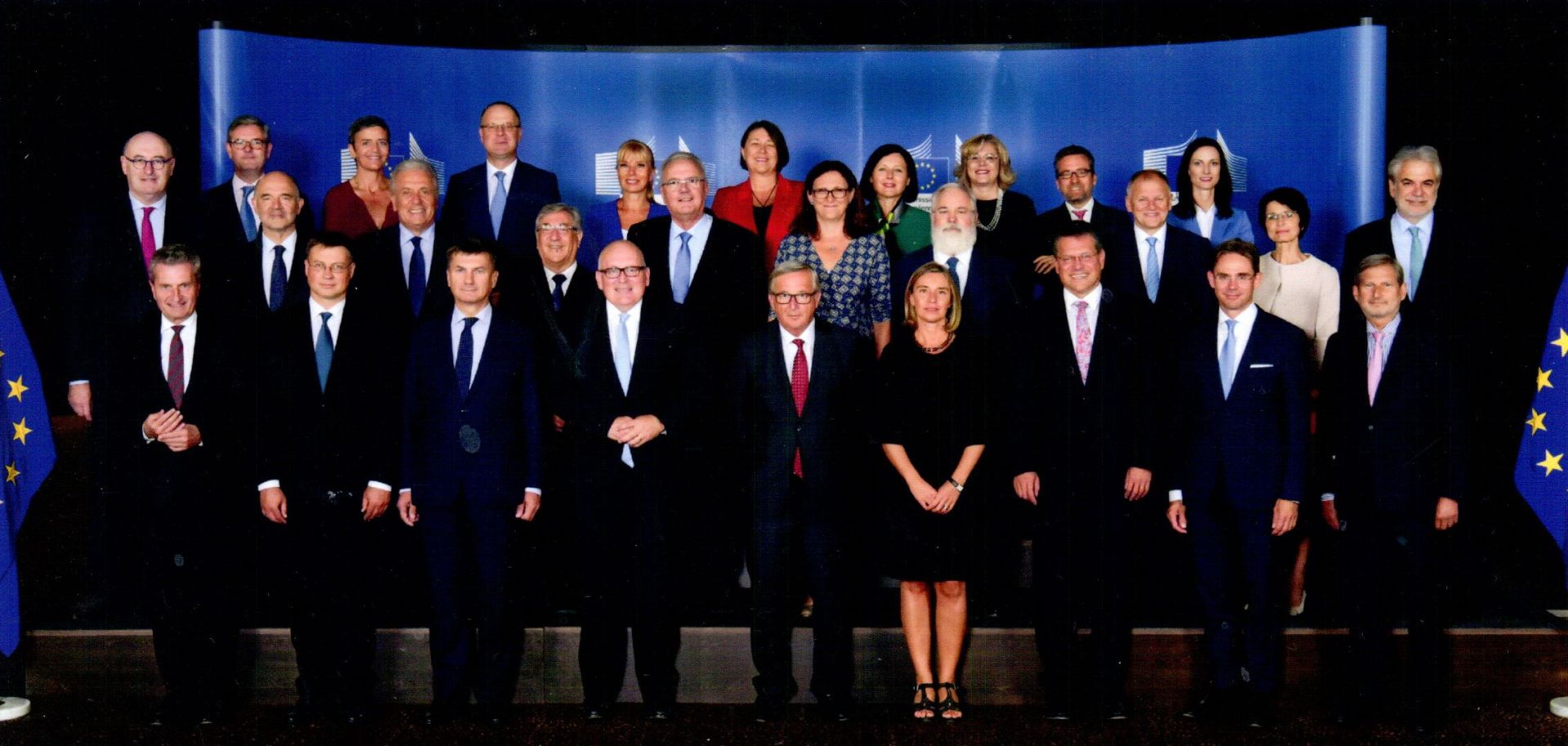
Sveikatos apsaugos sistema susiduria su iššūkiais, bet jie ypatingai nesiskiria nuo tų, su kuriais susiduria kitos šalys. Tai galiu pasakyti tvirtai, kaip ES komisaras. Pavyzdžiui, paslaugų prieinamumo problemos daug didesnės Italijoje, Jungtinėje Karalystėje nei Lietuvoje, Vokietijoje labai trūksta gydytojų ir seselių, taigi statistiniai duomenys nerodo, kad mes, lyginant su kitomis Europos šalimis, būtume labai blogoje padėtyje.
Sveikatos apsauga yra platesnė sąvoka nei paprastai manome. Ji apima ne tik ligų ir negalavimų nebuvimą. Kai kalbame apie sveikatą, turime kalbėti ir apie žmogaus gyvenimo kokybės rodiklius, t. y. pakankamą darbo užmokestį, tinkamą būstą, galimybę ilsėtis, sportuoti, įsigyti gerą maistą. Kitaip sakant, sveika gyvensena matuojama socialiniais indikatoriais.
Turime įtvirtinti visuomenės sveikatos standartus visuose sektoriuose – ar tai būtų švietimo sektorius, ar transporto, ar žemės ūkio, ar bet kuris kitas. Turime siekti sveikesnių gyvenimo sąlygų visiems. Štai čia yra sveikatos apsauga.
Kai kalbame apie ligą ir jos gydymą, kalbame apie ligų gydymo sistemą arba sveikatos gydymo įstaigų tinklą. Kai kalbame apie sveikatą, kalbame ne apie pacientus, o apie piliečius, kuriems turi būti garantuotos kokybiško gyvenimo sąlygos. Deja, šiandien visuomenės sveikatai užtikrinti skiriama per mažai pinigų.
Jūs, būdamas sveikatos apsaugos ministru, siekėte tikrai socialdemokratinio sprendimo: kad visa sveikatos apsaugos sistema iš principo būtų nemokama ir finansuojama iš biudžeto, t. y. siekėte pažaboti papildomus mokėjimus už gydymo paslaugas. Ne visiems Jūsų užmojai tada patiko, regis, labiausiai dėl tokių sveikatos sistemos reformos gairių nerimavo privačių medicinos kabinetų gydytojai, kuriems galėjo būti užkirstas kelias pelnytis iš mokesčių mokėtojų sveikatos draudimo pinigų. Ar Jūsų puoselėtos sveikatos sistemos pertvarkos idėjos ir pradėti darbai buvo bent mažiausia dalimi tęsiami Jūsų kolegų ministrų?
Teko daug dirbti, kad įtvirtinti tuos du sektorius, tiek ligų gydymo sektorių, tiek nemokamos pagalbos teikimo. Siekiau, kad būtų užtikrinti Konstitucijos 53 straipsnio (Valstybė rūpinasi žmonių sveikata ir laiduoja medicinos pagalbą bei paslaugas žmogui susirgus. Įstatymas nustato piliečiams nemokamos medicinos pagalbos valstybinėse gydymo įstaigose teikimo tvarką) reikalavimai, laimėjau du konstitucinius ginčus, dėjau pastangas, kad sveikatinimo programos, Lietuvos sveikatos programa būtų finansuojamos ES lėšomis. Darbus perdaviau savo kolegoms, šešias dienas paskyriau labai nuosekliai darbų perdavimo procedūrai R. Šalaševičiūtei, atidaviau viską – žinias, jėgas, dokumentus, ir, deja, labai nusivylęs turiu pasakyti, kad labai daug kas buvo arba išpeikta, arba užmiršta, arba išmesta, o gal tiesiog neužteko supratimo.
Šiandieninis sveikatos apsaugos ministras A. Veryga dėl vykdomų pertvarkų yra nuolat linksniuojamas viešojoje erdvėje. Jūs, būdamas sveikatos apsaugos ministru, sulaukėte ne mažesnio visuomenės dėmesio dėl tuomet Jūsų inicijuotų reformų. Visgi, Jūsų ir dabartinio ministro idėjos ir veiklos planai sveikatos apsaugos srityje labai skiriasi. Kaip vertinate dabartines reformas? Ar sutiktumėte su tokiu pastebėjimu, kad šiuo metu siekiama pertvarkyti ne medicinos įstaigas, pritaikant jas prie žmogaus poreikių, o visuomenę, pritaikant ją prie medicinos įstaigų poreikių?
Matau ministro pastangas įtvirtinti sveikatinimo intrumentas, tačiau, manau, kad A. Veryga nuėjo konfrontacijos keliu ir paskendo smulkmenose, o tai labai kompromituoja visuomenės sveikatos instumentų taikymą praktikoje. Ligų gydymo sektoriuje ministras turi labai nedidelę patirtį ir matau čia didžiulius trūkumus, turiu ką pasakyti šiuo klausimu, bet norėčiau tai daryti tete-a-tete.
Norėčiau Jūsų paklausti, kaip Europos Komisijos atstovo – kokią Europos ateitį regite? Praėjusiais metais Europos Komisija pristatė penkis galimus ES raidos scenarijus. Kuris iš jų Jums atrodo priimtiniausias ir palankiausias Lietuvai?
Aš pasisakau už tokią Europos Sąjungą, kurioje didesnis dėmesys būtų skiriamas žmonių gyvenimo kokybei, sveikatai, socialinių garantijų minimaliam paketui, kurioje būtų užtikrinta, kad už tą patį darbą būtų proporcingai mokamas tas pats atlyginimas kiekvienoje šalyje narėje. Socialinės rinkos mechanizmai ES mastu nėra stiprūs, ir po didžiulių taupymo programų, šiandien mes turime virš 100 mln. žmonių, kurie gyvena sunkiai.
ES reikia drąsių reformų, reikia keisti neoliberaliąją darbotvarkę, kuri lemia gyvenimo lygio skirtumus. Dalis žmonių yra nusivylę ES projektu. Dėl to, manau, kad visiems socialdemokratiją išpažįstantiems žmonėms šiandien yra didžiulė užduotis permąstyti, kokie socialiniai mechanizmai turi būti sustiprinti ir kuo greičiau realizuoti praktikoje. Jeigu to nebus, trečdalis ES piliečių neberems ES projekto kaip tokio. Turime suvienyti pastangas tam, kad sumažintume socialinę nelygybę ir skurdą, skirtumus tarp ES šalių narių.
2019 m.
Interviu publikuotas LSDP internetinėje svetainėje.
***
| The four great principles of social democracy |
Interview by Monika Čiuldytė-Kačerginskienė.
From 1990 through 1992, you were a member of the working group for drafting the Constitution. What challenges and problems were encountered while drafting the Constitution? What issues were most widely discussed?
Even before the drafting of the Constitution, I was faced with issues related to the handling of important documents for the state. In 1990, I participated in the activities of the working group preparing the documents for March 11. It was a great pleasure to be there. I want to express my appreciation for one concept, namely the last sentence of the Act on the Restoration of the Independent State of Lithuania: the draft wording was that the Supreme Council of Lithuania – the Restored Seimas will strive to realize the sovereignty of the state, however, I did not agree with putting off the task to the future, so after long disputes, my wording was accepted, saying that they will not seek, but will now realize the sovereignty of the state. Such moments create a sense of a meaningful life.
We were engaged in the working group for drafting the Constitution from 1990 until 1992. In fact, two subgroups emerged in this working group, those who defended parliamentary democracy with weak presidential powers, and those who defended presidential democracy with strong powers of the president as an executive. The defenders of the presidential constitution were in favour of implementing the idea of V. Landsbergis – to create a presidential republic. Eventually, as the working group could not find a consensus, it split.
Then the radicals of Sąjūdis, the so-called Tea Club, came up with the idea of holding a referendum on the institution of the president (without the Constitution). The defenders of the presidential republic lost the referendum. And then the parliament split. V. Landsbergis took out a large part of the parliamentarians and started sitting separately. In order to overcome this crisis, it was decided to prepare a joint constitution from two different draft constitutions. We agreed on some articles, so we decided to leave the ones we disagreed with on the referendum.
It must be highlighted that we, the supporters of the parliamentary republic, won significantly more votes (and articles), therefore, today the Constitutional Court has not accidentally clarified that Lithuania is a parliamentary democratic republic with some features of a presidential republic. Supporters of a strong president, with V. Landsbergis at the forefront, didn’t succeed in winning the game for the presidential republic.
Today, it must be said that the country’s president, D. Grybauskaitė, has assumed more powers than the Constitution allows her. Unfortunately, there are no parliamentarians-defenders of constitutional law who could prove that President D. Grybauskaitė does not have the rights she has assumed politically and psychologically.
You have said that social democracy is necessary for Lithuania like water for a thirsty person, that we need a left party with a clear profile. What happened to the Lithuanian party system in that during the three decades of independent Lithuania, the real leftist political force of social democratic ideology has not been refined?
It must be understood that social democracy is neither a party nor a ticket for a party member. It is an outlook, a social thought born of the needs of life itself, which claims that liberty, equality, fraternity and justice are the four elements that allow all people to feel good in society.
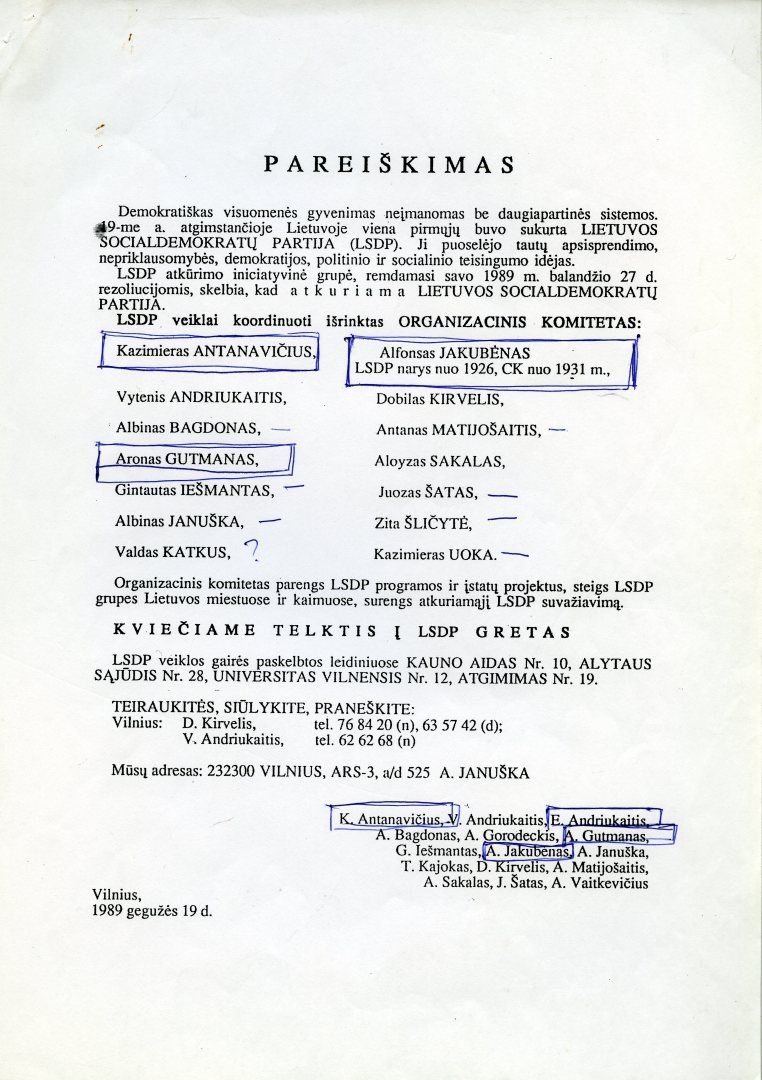
The Lithuanian Social Democratic Party had a huge responsibility in 1992-1996 to be in opposition to the Lithuanian Democratic Labour Party, and we, unlike the right-wing members, managed to be in constructive opposition. From 1996 through 2000, we were in opposition to the bloc of the Fatherland Union-Lithuanian Christian Democratic Party, and only since 2001, have we, as Social Democrats, having already accepted LDDP members into our ranks, had the opportunity to be in the executive power.
Over the 2001-2002 period, our main task was to integrate into the EU along with ten other countries without any delay, so as to escape the situation that later happened to Romania and Bulgaria. There was a lot of work to do: we had to adopt 800 new laws, reorganize the legal and social systems, and adapt many processes for the smooth operation of various mechanisms in the EU. We had a huge challenge on a national scale, no wonder some social mechanisms were delayed.
After 2004, the electoral problems were even greater. The Social Democrats did not manage to gain a majority, so they always balanced in a coalition, sometimes with the New Union, sometimes with the Labour Party. Then came the global financial crisis. In this context, there was not enough capacity for stronger solutions on behalf of the Social Democrats.
During 2012-2016, a huge role was played by the strict rate of austerity measures, the huge financial crisis, and the requirements for joining the eurozone still had to be fulfilled. This situation severely restricted social opportunities, thus a real social democratic policy could not be refined.
However, today I see excellent opportunities for this, good conditions for renewal, it is time to upgrade social democratic thought.
How do you see a real social democrat, what is he like? What are his views and attitudes?
Social democracy cannot exist without ethics, without faith, without hope, without love for people, without altruism. Social democracy raises extremely difficult questions about your freedom, equality of opportunity, social security and justice, solidarity, your dignity and evaluation. If you only repeat with your lips but not with your heart about loyalty to four principles – liberty, equality, fraternity and justice, if you do not understand that this is the essence of coexistence, you have no right to call yourself a social democrat.
Today, step by step, doctors, teachers and social workers are starting to fight for their social rights in demand for not only relatively higher salaries and better working conditions, but also for one simple and elementary, I would say, the fundamental element of a developed democratic state – fairer social redistribution and greater social justice. Why is it so difficult for us to achieve and secure this? Socioeconomic indicators usually tend to reflect the country’s presence or absence of social justice. Why are our indicators among the lowest in the EU?
When we compare the countries that were formerly part of the Soviet Union, we see no big differences between them. The social reality of all the three countries – Lithuania, Latvia and Estonia – is very similar. We cannot compare with Poland because the so-called socialism in their country was slightly different, also the starting conditions after the collapse of the Soviet Union were different. Additionally, Poland is a large country with the economy of scale working there a little differently than the economy of small countries. Nor can we compare with countries like Switzerland. We should talk about similar sizes, similar conditions and similar starting positions.
Why do doctors, teachers, social workers complain? Actually, due to the fact that the public finance system is very primitive, not based on solidarity. Why do we, the citizens, agree that in our common purse, i.e. in the state budget, there would be so little money? Because 90% of Lithuanian people believe that there is no common purse. A society cannot continue to exist if its public finances are so poor. How is it possible then to increase salaries for doctors and teachers? The answer is that the tax system must be fundamentally revised in the direction of social justice. I have been advocating progressive taxes for many years and calling for a need to move to a progressive tax system.
Our GDP redistribution mechanisms are among the weakest. Today we have high public expenditure but little revenue. If you don’t have a huge income, then I have to come and help you. And I can do this only by means of redistributive instruments. In other words, public finances need to be larger to make up for those private finances that are insufficient.
Another issue is our national wealth, which is being managed completely unwisely. Our geopolitical situation has deprived us of the opportunity to have additional public revenues. We refused oil transit from Russia through Lithuanian ports, we refused gas transit or other infrastructural projects. Why does Belgium not give up the Lukoil oil plant in Antwerp? Even with the imposition of sanctions on Russia, the processes there do not stop. We could make better use of our geopolitical position, but we are shooting ourselves in the foot.
And finally, it must be said that when we measure well-being, we cannot count GDP alone. What is GDP? It is the amount of consumption, investment flows, exports minus imports, but it does not reflect the quality of people’s lives.
Today, the healthcare system faces many challenges: availability and quality of services, doctors’ salaries, working conditions, emigration rates, etc. Each new minister seeks to reform the system, but it is impossible to achieve a breakthrough in this area. Is it possible to find a common denominator, a single strategy that would be followed by all ministers, regardless of party affiliation, and, ultimately, qualitative changes in the healthcare system take place?
The healthcare system faces challenges, however, they are not particularly different from those faced by other countries. I can say this with certainty as an EU Commissioner. For example, the problems of access to services are much greater in Italy and the United Kingdom than in Lithuania, there is a severe shortage of doctors and nurses in Germany, so statistical data do not show that we are in a very bad situation compared to other European countries.
Healthcare is a broader concept than we usually think. It includes more than just the absence of disease or ailments. When we talk about health, we must also talk about indicators of the quality of human life, i.e. sufficient wages, suitable housing, the opportunity to rest, exercise, and buy good food. In other words, a healthy lifestyle is measured by social indicators.
We need to establish public health standards in all sectors, be it the education sector, or transport, or agriculture, or any other. We must strive for healthier living conditions for all. That’s where healthcare comes in.
When we talk about disease and its treatment, we are talking about a disease treatment system or a network of healthcare facilities. When we talk about health, we are not talking about patients, but about citizens who must be guaranteed quality living conditions. Unfortunately, too little money is allocated to public health today.
As the Minister of Health, you sought a truly social-democratic solution: that the entire healthcare system should, in principle, be free and financed from the budget, i.e. you sought to curb additional payments for medical services. Not everyone liked your ambitions then, it seems that the most worried about such health system reform guidelines were doctors in private medical offices, who could be prevented from profiting from taxpayers’ health insurance money. Did your fellow ministers continue implementing your ideas for reforming the health system and pursue the works that had been started by you, at least to the smallest extent?
It took a lot of work to consolidate those two sectors, both the disease treatment sector and the provision of free assistance. I sought to ensure the requirements of Article 53 of the Constitution (The state takes care of people’s health and guarantees medical aid and services when a person falls ill. The law establishes the procedure for providing citizens with free medical aid in state medical institutions), I won two constitutional disputes, I made efforts so that wellness programmes, the Lithuanian health programme, would be financed by EU funds. I handed over the work to my colleagues, I dedicated six days to a very consistent procedure of handing over the work to R. Šalaševičiūtė, I gave everything – knowledge, strength, documents, and unfortunately, I have to say with great disappointment that a lot of achievements were either criticised, or forgotten, or thrown away, and maybe there was a lack of understanding.
The current Minister of Health A. Veryga is constantly criticised by the general public as a result of the ongoing reforms. As Minister of Health, you received no less attention from the public because of the reforms you initiated at that time. However, your ideas and action plans that you suggested for the field of health protection are very different from those of the current minister. How do you evaluate the current reforms? Do you agree with the observation that the current aim is not to transform medical institutions by adapting them to human needs, but adapting society to the needs of medical institutions?
I see the minister’s efforts to consolidate health instruments, but I think that A. Veryga went down the path of confrontation and drowned in details, which is against the application of public health instruments in practice. The minister has very little experience in the disease treatment sector and I see huge gaps here, I have something to say on this but I would like to do it tete-a-tete.
I would like to ask you, as a representative of the European Commission, what kind of future do you see for Europe? Last year, the European Commission presented five possible scenarios for the development of the EU. Which of them do you think is the most acceptable and favourable for Lithuania?
I am in favour of a European Union in which more attention is paid to people’s quality of life, health, a minimum package of social guarantees, in which it is ensured that the same salary is proportionally paid for the same work in each member country. Social market mechanisms are not strong at the EU level, and after huge austerity programmes, today we have over 100 million people who live in difficult conditions.
The EU needs to implement bold reforms, so it is necessary to change the neoliberal agenda that leads to differences in living standards. There are quite a number of people who are disappointed with the EU project. Because of this, I think that it is a huge task for all people who support social democracy today to rethink what social mechanisms need to be strengthened and put them into practice as soon as possible. If this fails to happen, one third of EU citizens will no longer support the EU project as such. We must unite our efforts to reduce social inequality and poverty, and the differences between EU member states.
2019
The interview was published on the LSDP website.