*virtualexhibitions_ranking_title*

*apsaugos_kodas*
*alt_phpcaptcha_generated_image*
Loading
*virtualexhibitions_rank_submit_message*

{{msg}}

AUSTRALIAN LITHUANIANS. PART 1

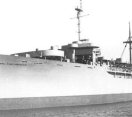
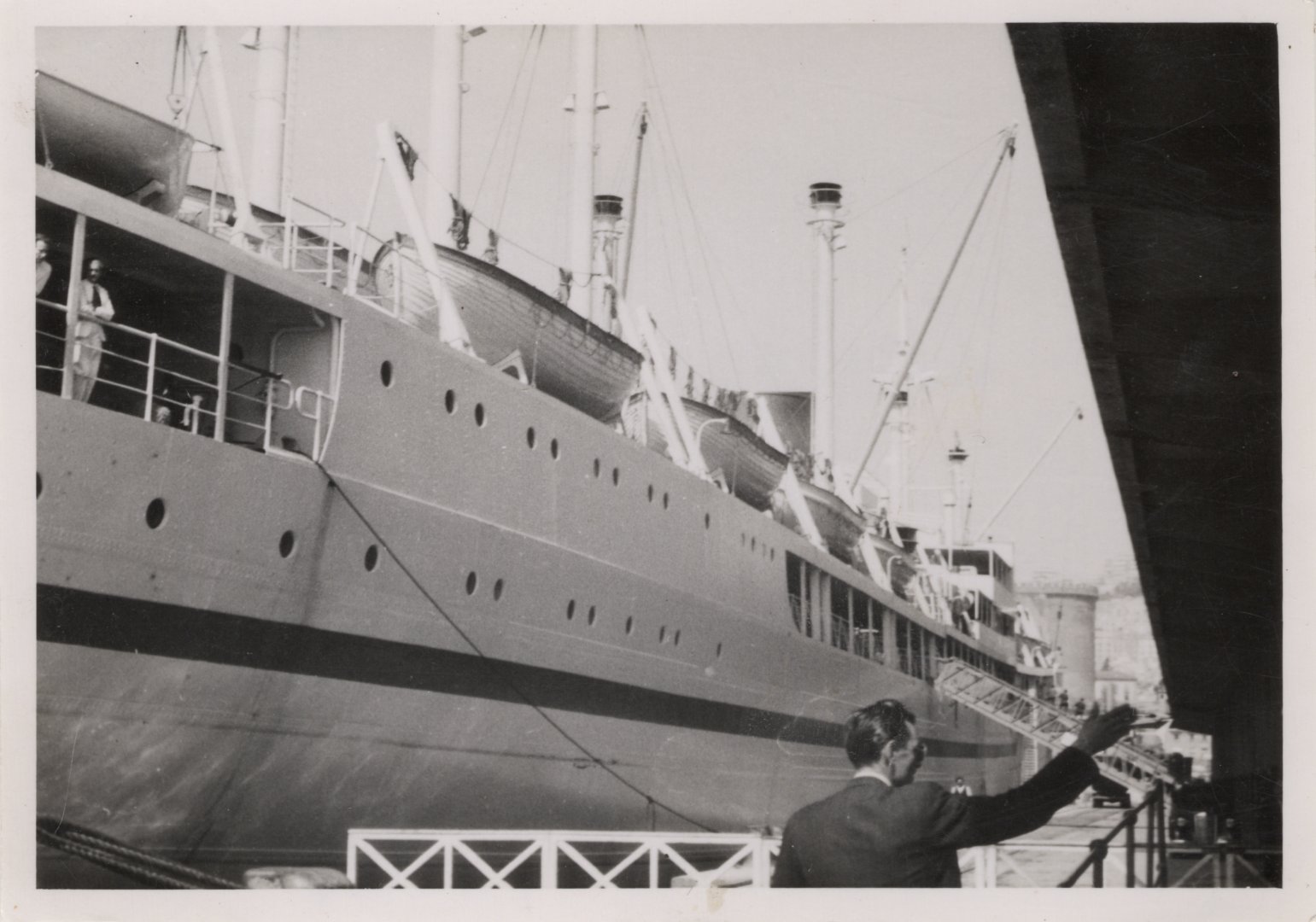
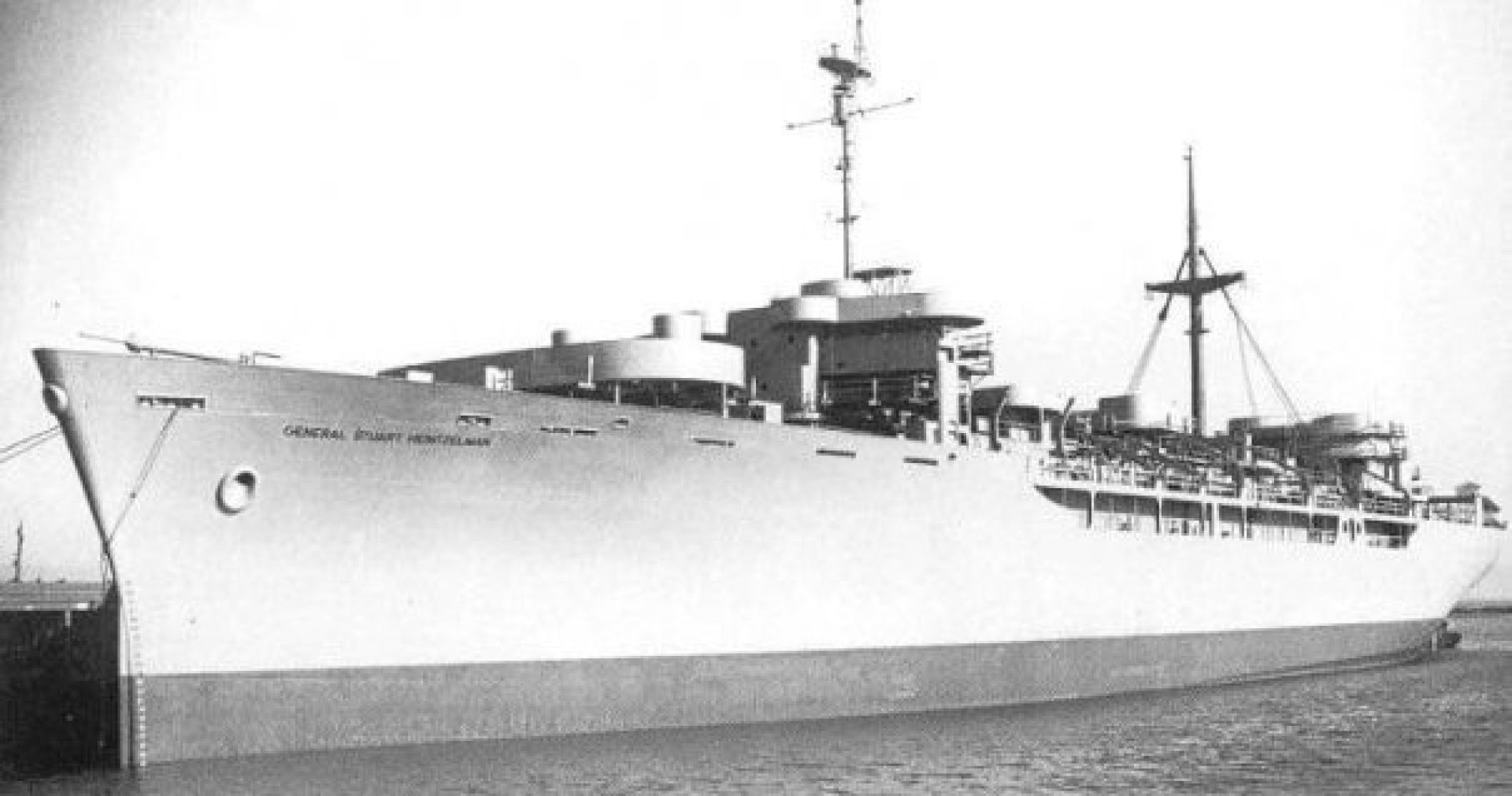
The General Stuart Heintzelman – the United States military ship which brought the first Lithuanians from the Displaced Persons (DP) camps to Australia

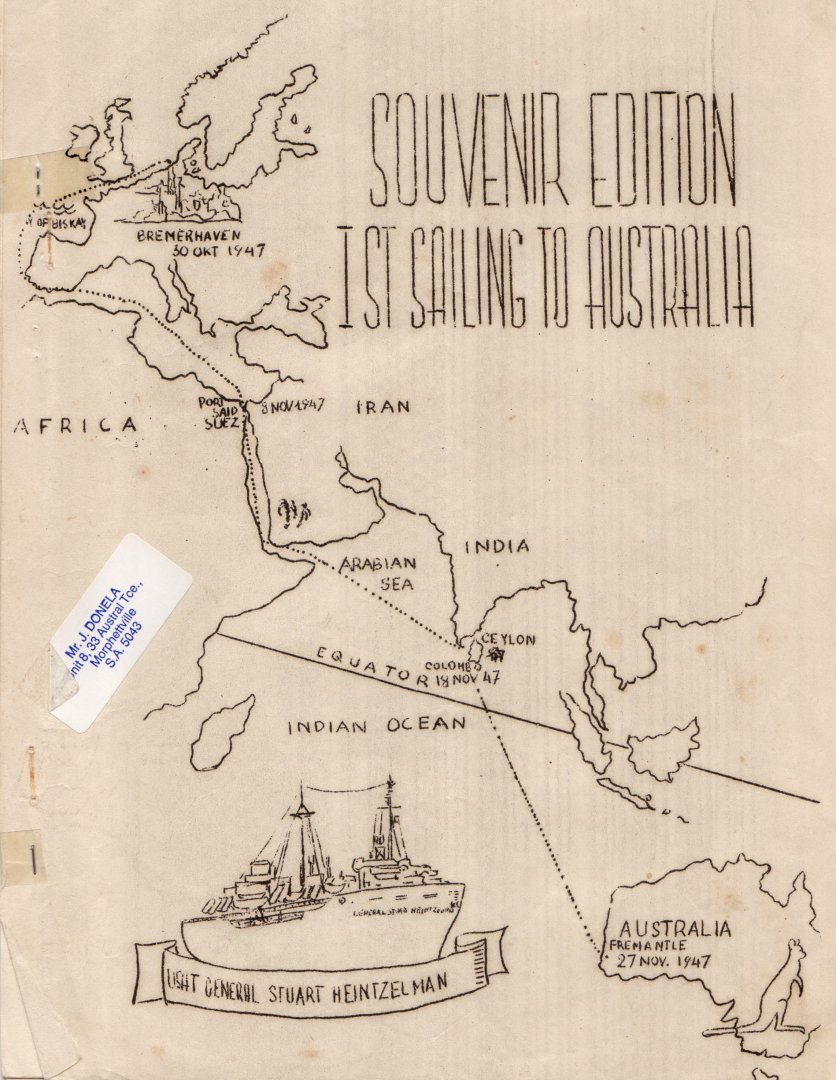
Ship departed from the German port of Bremerhaven on October 30th, 1947, passed through the Suez Canal and entered the Red Sea on November 9th, stopped in Colombo on November 18th and entered the Indian Ocean, crossed the equator on November 20th and arrived in Fremantle, Western Australia on November 28th.

After World War II, the Australian government in 1947 invited the first emigrants from Europe to come to Australia and settle there permanently. Not expecting to attract many English-speaking emigrants from the British Isles, the Australian government created conditions for war refugees from various countries to emigrate to Australia.

The first emigrants of non-British origin, who arrived in Australia in November 1947, were: 439 Lithuanians, 262 Latvians and 142 Estonians (a total of 843 refugees). 87 percent were men (729), 13 percent were women (114). The oldest person on the ship was 40 years old, the youngest – 12 years old. They arrived at the Australian port of Fremantle on the United States military ship The General Stuart Heintzelman.

Over the next seven years, 9906 Lithuanians arrived in Australia from Europe, who created and to this day maintain one of the largest active national communities in the country.

Open source: https://yohidevils.net/misc/ships/heintz.htm
AUSTRALIAN LITHUANIANS. PART 1

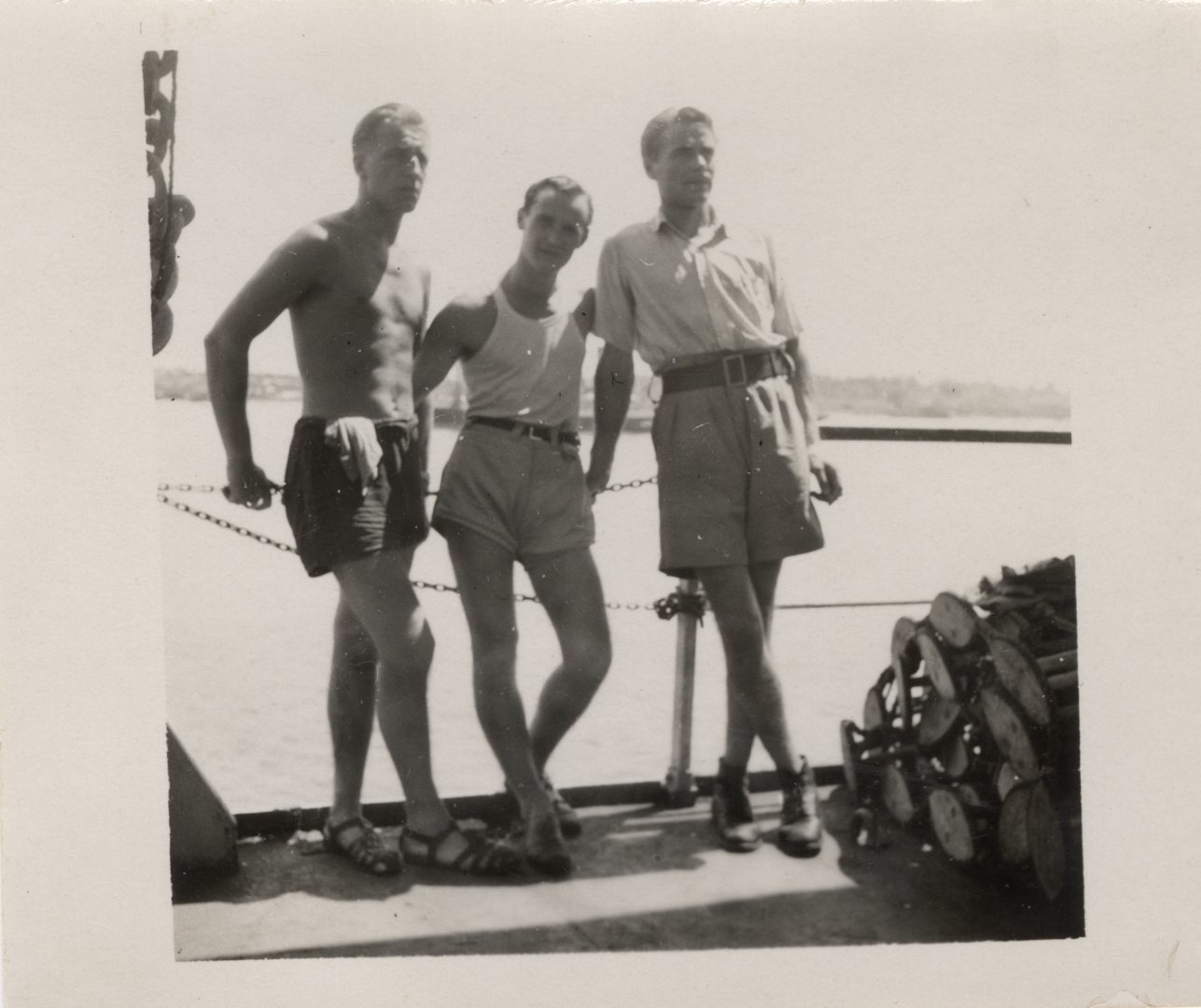
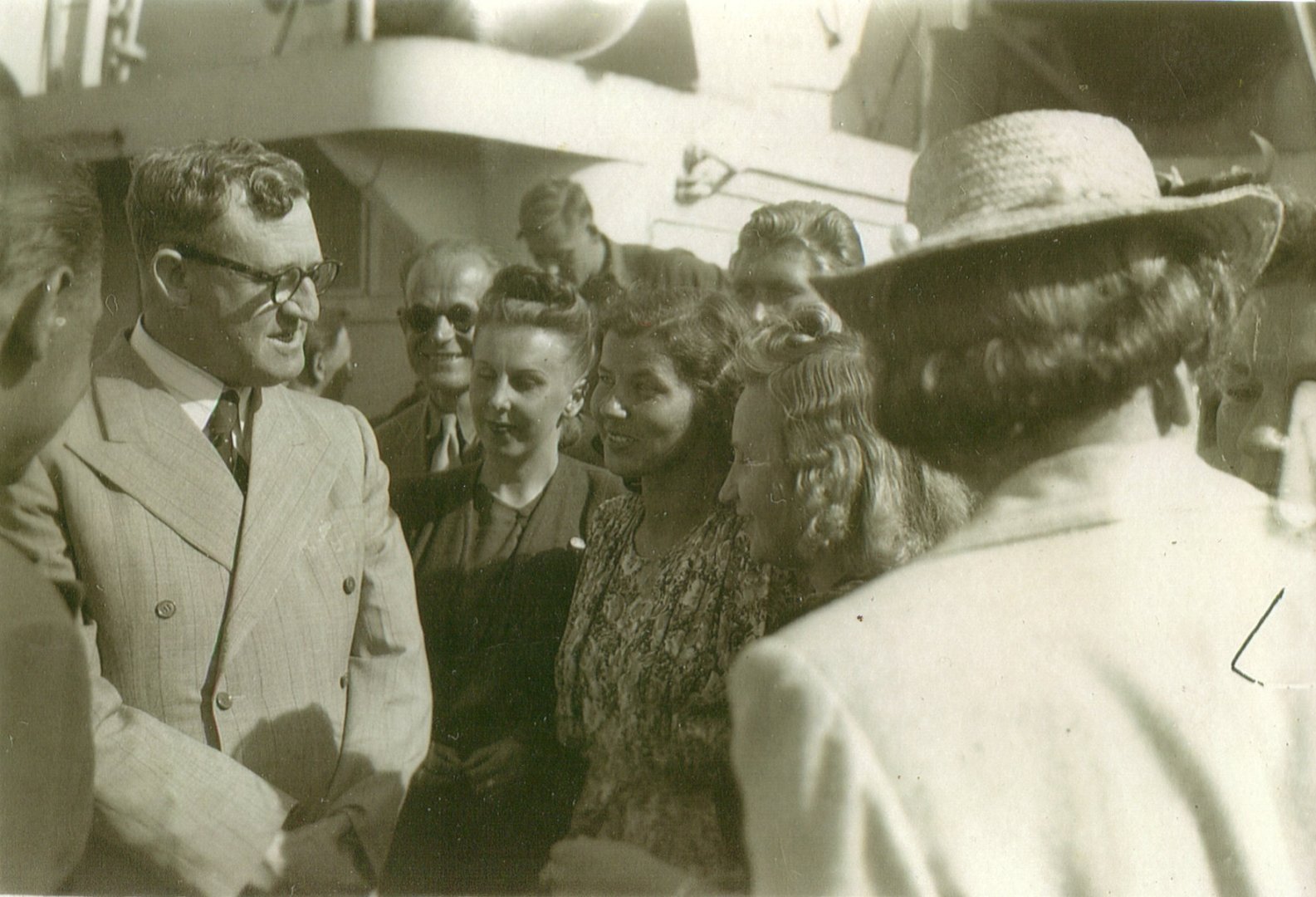
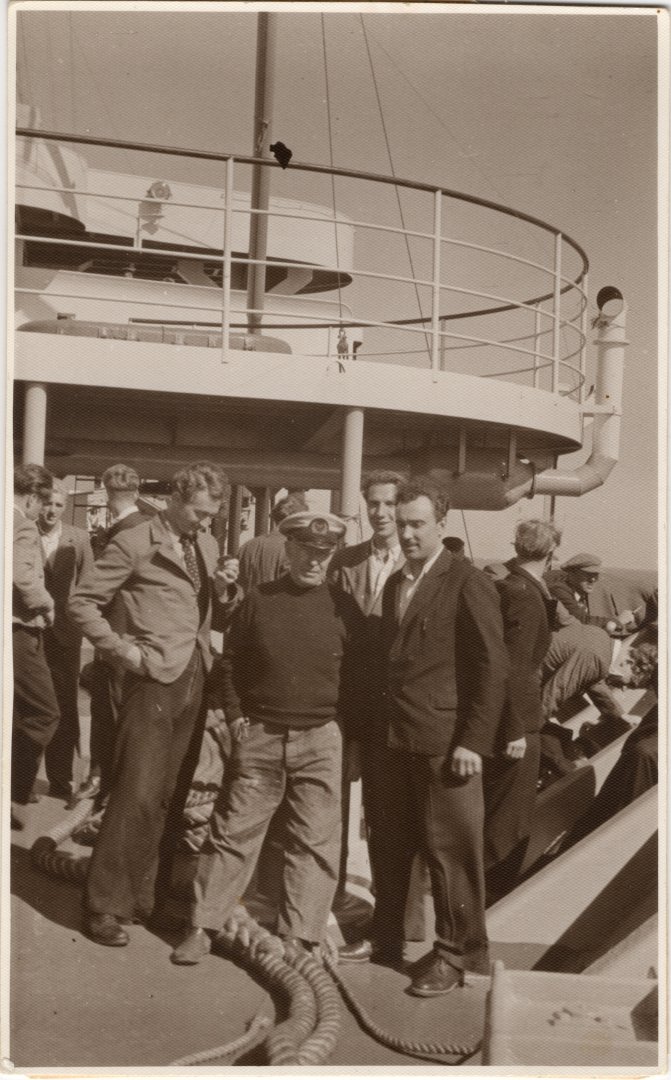
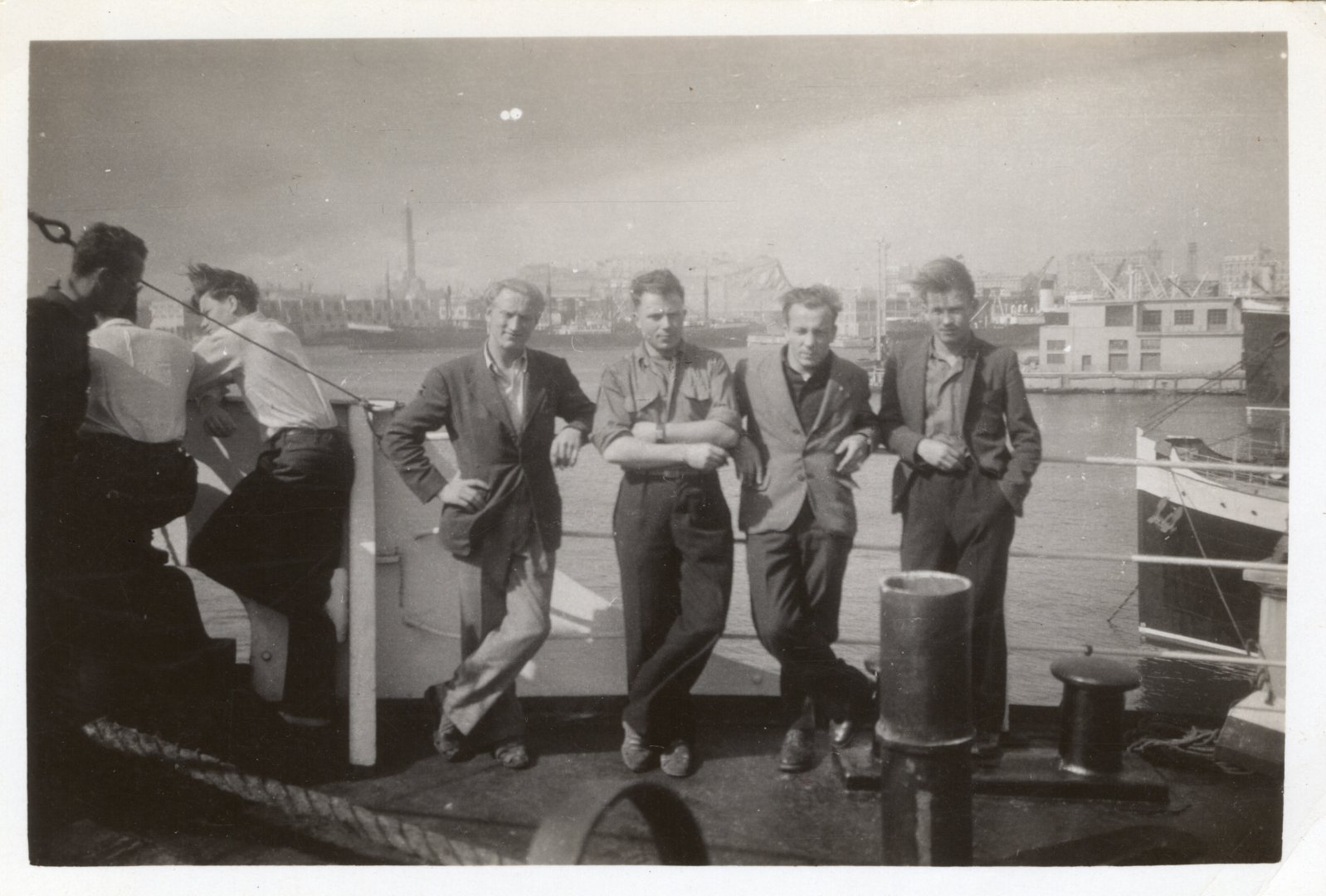
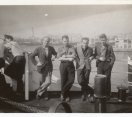
Juozas Donela [left] on the ship The General Stuart Heintzelman

1947

Juozas Donela, originally from Ylakiai, left behind the love of his life, his girlfriend Ole, fearing exile and war, and emigrated to Germany in 1944, and later, in 1947, together with other Lithuanians, sailed to Australia on the ship The General Stuart Heintzelman (the first Lithuanian transport). Upon arrival, he worked in various jobs, including at a shipyard in South Australia. He died in 2019, aged 97, having lived in Australia for almost 70 years. Ole waited for him for 10 years, then had children and grandchildren with another man. Juozas never married. More stories about lost love, the horrors of war and his diary: https://greymatters.net.au/dearest-ole-a-diary-of-love-and-war/?fbclid=IwY2xjawHDxTVleHRuA2FlbQIxMAABHeZyXuZW4AevTN6d-cmOD3IEwwIxqGFAOnkDH_27FQwQyO3R0k-3nadkxg_aem_Juy8sID8b8yrTru7plRNHA
Australian Lithuanian Archives, document No. PH0121

AUSTRALIAN LITHUANIANS. PART 1

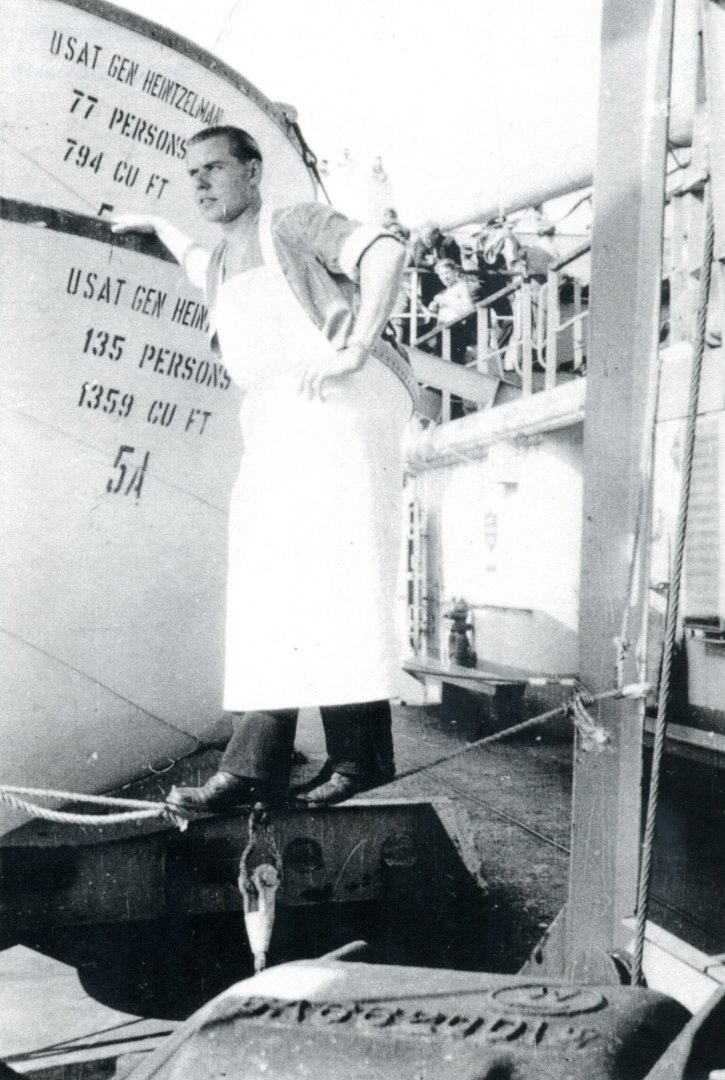
Aleksandras Sliuzas working in the kitchen of the ship The General Stuart Heintzelman

1947

Aleksandras Sliuzas (1924–1968) was born in the village of Slabada, Ziezmariai parish, Trakai district. He arrived in Australia on the first Lithuanian transport and settled in Adelaide. He actively participated in the activities of the Lithuanian community, belonged to the first folk dance group, the Vytis sports club, which he led for a couple of years. He was elected to the Lithuanian House Acquisition Commission. After the establishment of the Adelaide Lithuanian Union, he served three terms on the Union's board.

Australian Lithuanian Archives

AUSTRALIAN LITHUANIANS. PART 1

A souvenir publication of the first Lithuanian, Latvian and Estonian voyage to Australia, published on November 26th, 1947, on board the ship The General Stuart Heintzelman

Editors: V. Poder (Estonia), Emils Delins (Latvia), Rom Maziliauskas (Lithuania).

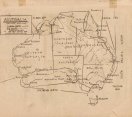
A 15-page booklet was created to commemorate the voyage to Australia. The booklet contains information in English about the voyage, each Baltic country, and the personnel working on the ship. The cover of the publication shows the route traveled from Europe, and the back page contains a map of Australia.

Australian Lithuanian Archives

AUSTRALIAN LITHUANIANS. PART 1

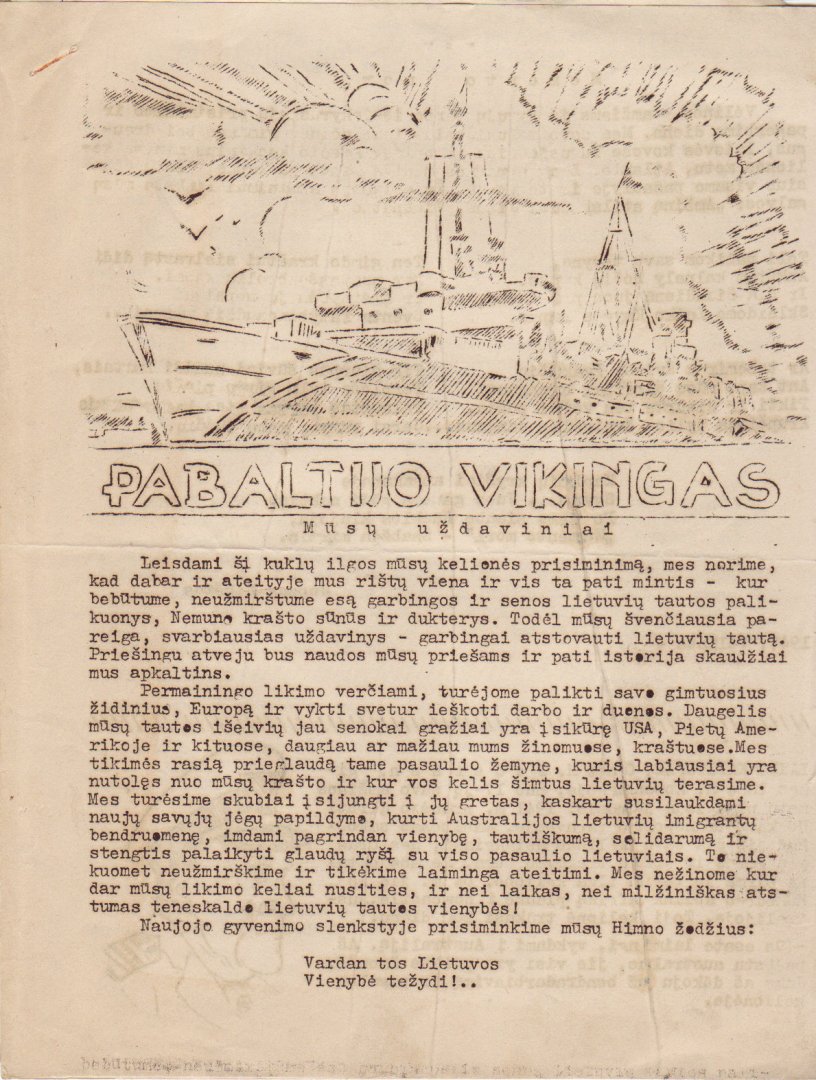
The informational publication The Baltic Viking, published on board the ship The General Stuart Heintzelman

November 1947

On board The General Stuart Heintzelman, Lithuanians formed a choir, published the informational publication The Baltic Viking, celebrated All Saints' Day, Lithuanian Armed Forces Day. On board, on November 9th, 1947, a meeting of the Lithuanian Scout Leaders' Committee even took place.

Australian Lithuanian Archives

AUSTRALIAN LITHUANIANS. PART 1

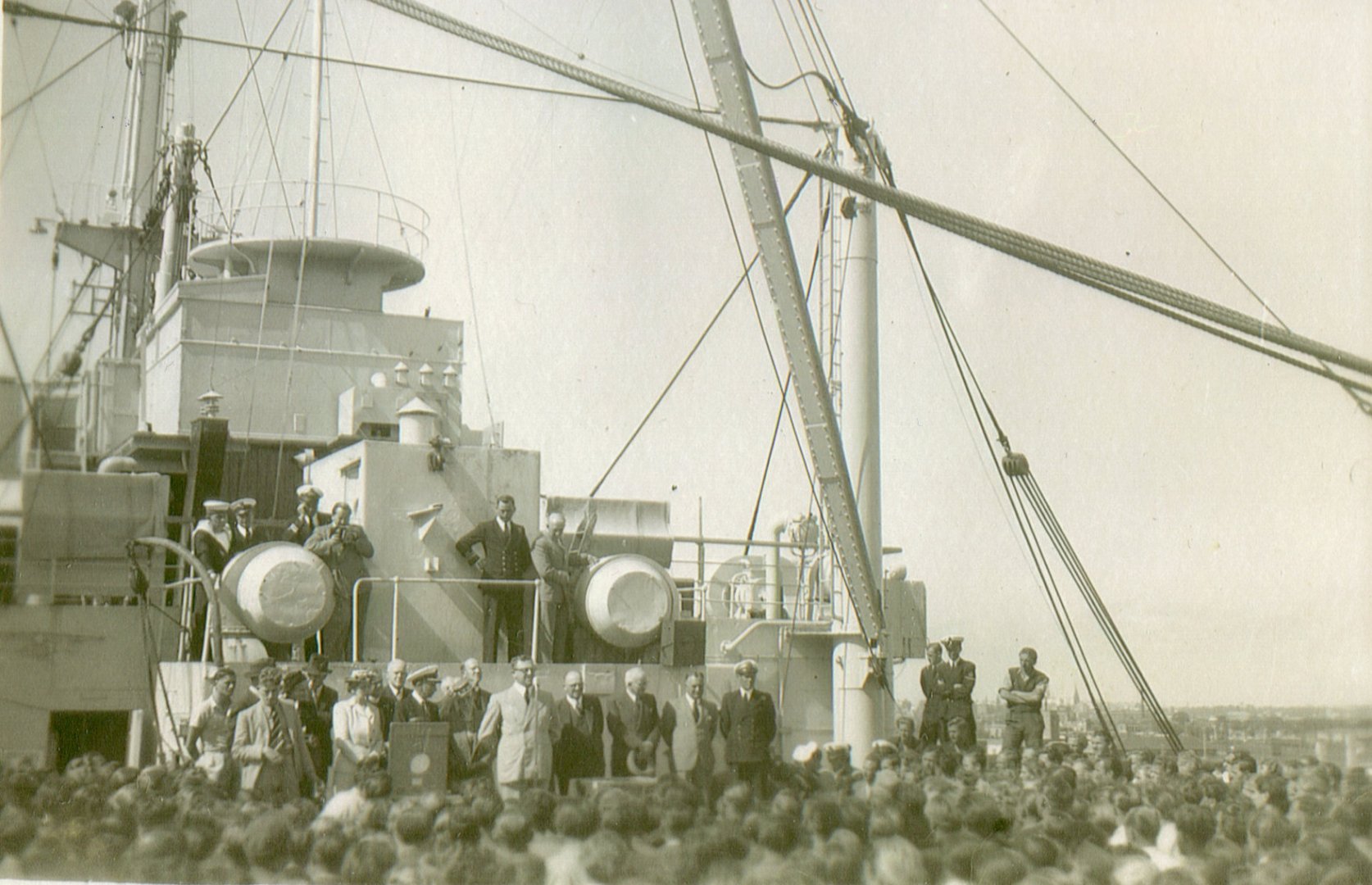
Australian immigration minister Arthur Augustus Calwell welcomes the arrivals

1947

The ship The General Stuart Heintzelman docked in the Australian port of Fremantle on November 28th, 1947. Later, the first Lithuanian immigrants sailed to Melbourne, where they were welcomed on December 7th, 1947, by the Australian immigration minister Arthur Augustus Calwell and other government officials. Representatives of each nation sang a song. The Lithuanian group presented the immigration minister with a gift – an album of Lithuanian images with a folk waist sash.

From the ship, they were put on a train that took them to the Bonegilla migrant camp.

Australian Lithuanian Archives, document No. PH04414

AUSTRALIAN LITHUANIANS. PART 1

Australian immigration minister Arthur Augustus Calwell welcomes arrivals

1947

Australian Lithuanian Archives, document No. PH04414

AUSTRALIAN LITHUANIANS. PART 1

The Second Lithuanian Transport to Australia

January 1948

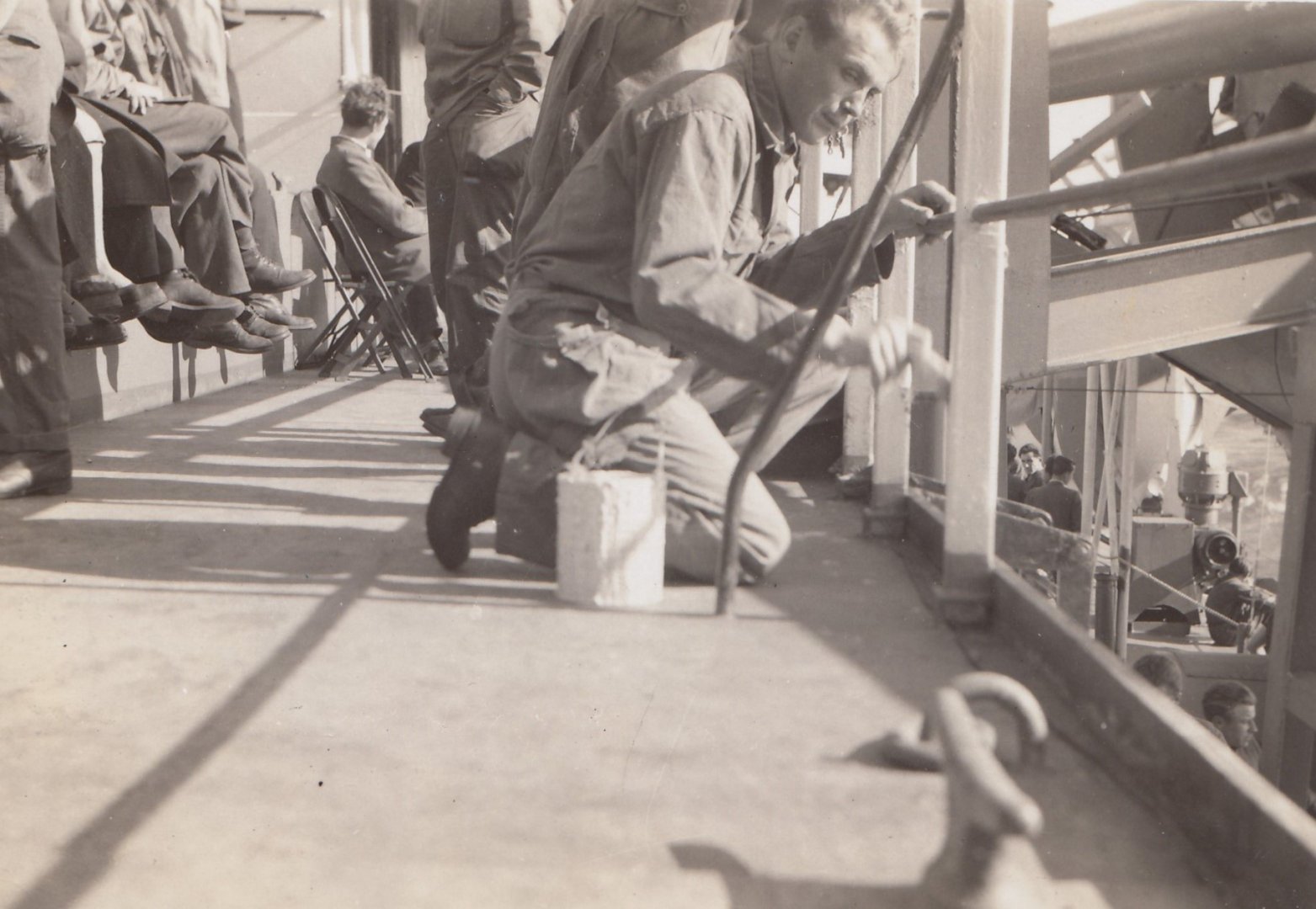
Ceslovas Pieciukaitis paints the ship The General Stewart.

Australian Lithuanian Archives

AUSTRALIAN LITHUANIANS. PART 1

Lithuanian emigrants sailing to Australia on the ship The General Stewart

February 12, 1948. Photo of Pranas Stasaitis.

The second transport of Lithuanians to Australia. Lithuanians on the second ship, from left: J. Krulis, Vytautas Paulauskas, Pranas Stasaitis, in the middle Lithuanian American Jonas Galkus (a sailor working on the ship).

Australian Lithuanian Archives, document No. PH0082

AUSTRALIAN LITHUANIANS. PART 1

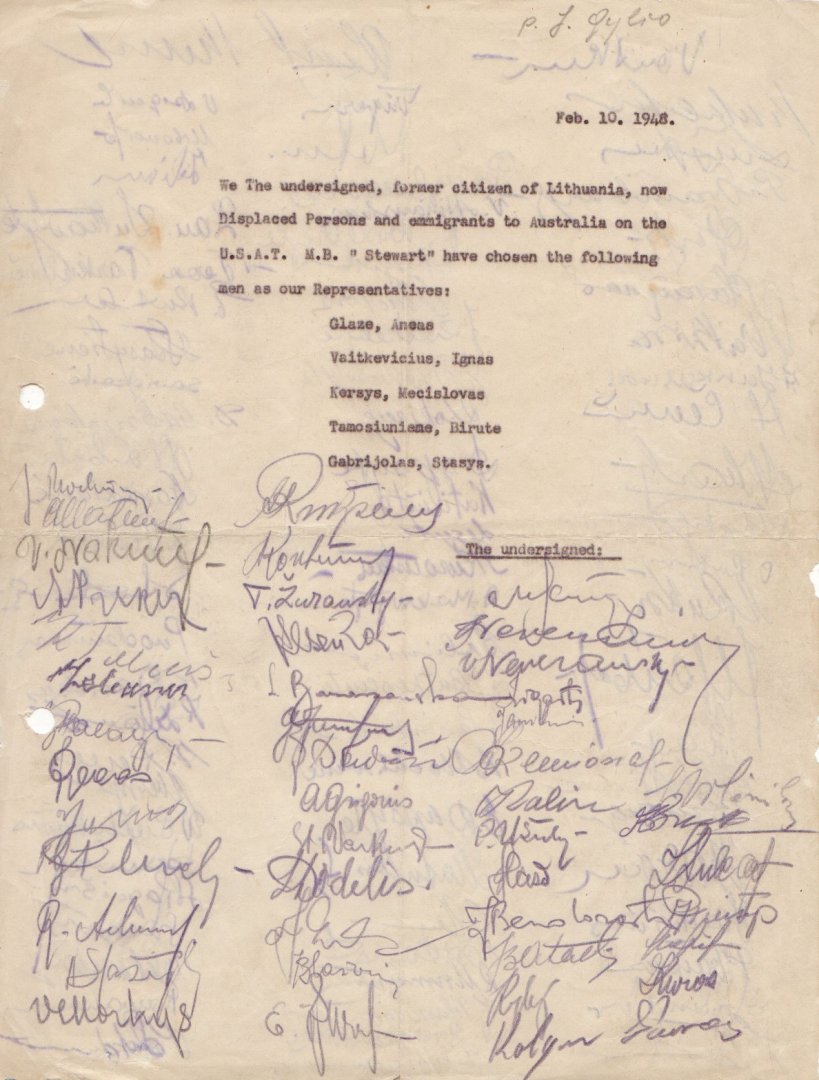
Letter with signatures from Lithuanians who sailed from Displaced Persons (DP) camps to Australia on the ship The General Stewart about elected representatives

February 10, 1948

Australian Lithuanian Archives

AUSTRALIAN LITHUANIANS. PART 1

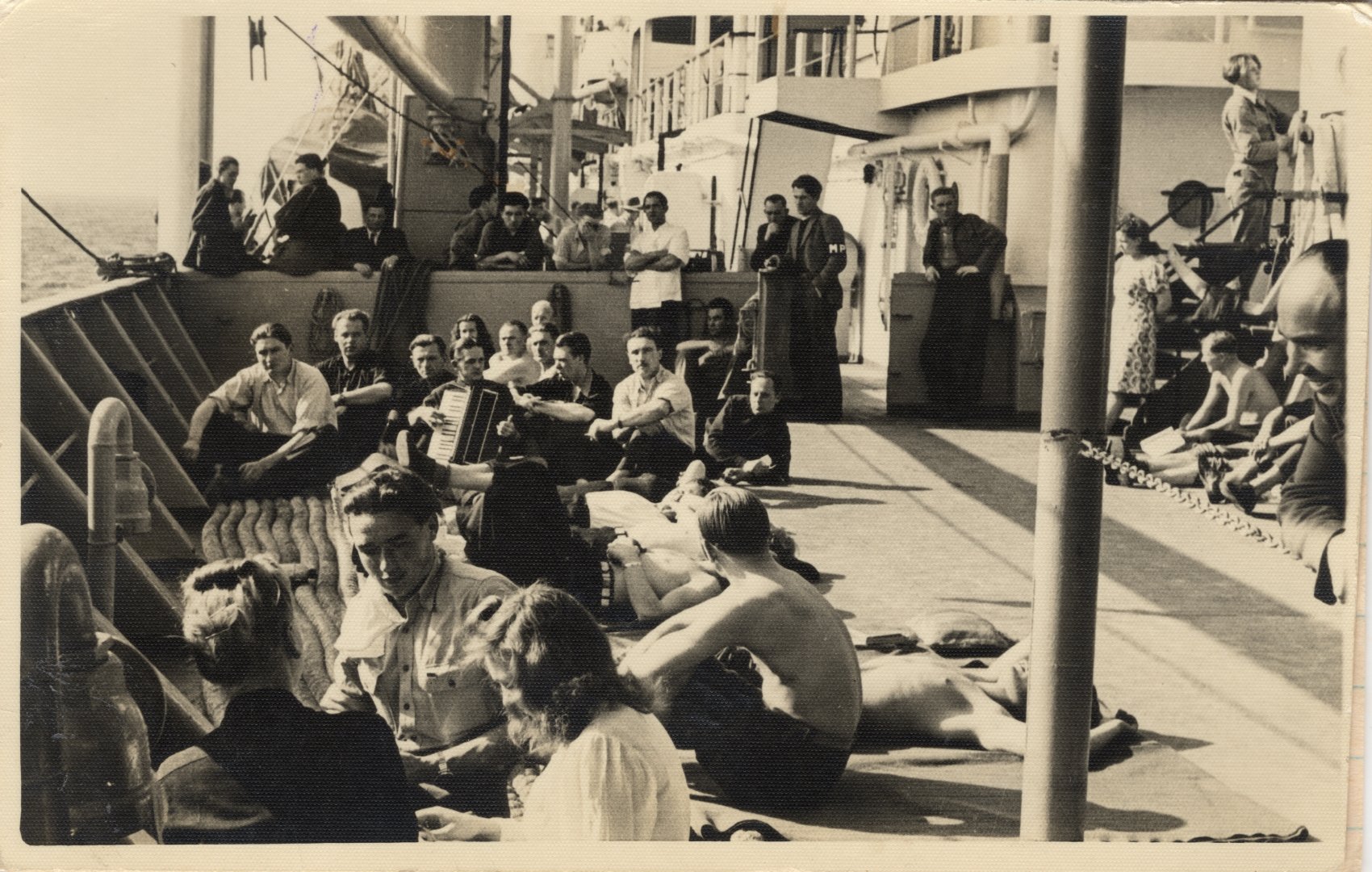
Lithuanian emigrants sailing to Australia on the ship The General Stewart

February 1948

The second transport of Lithuanians to Australia. Lithuanians on the second ship: accordionist Stasys Leksas, to his right Jonas Giliauskas and Kazys Karosas. Above is Pranas Stasaitis, next to him is Vytas Jagminas.

Australian Lithuanian Archives, document No. PH0087

AUSTRALIAN LITHUANIANS. PART 1

Lithuanian emigrants sailing to Australia on the ship The General Stewart (most likely a group of Lithuanians living in the Dillingen Displaced Persons (DP) camp)

1948

Australian Lithuanian Archives, document No. PH0091

AUSTRALIAN LITHUANIANS. PART 1

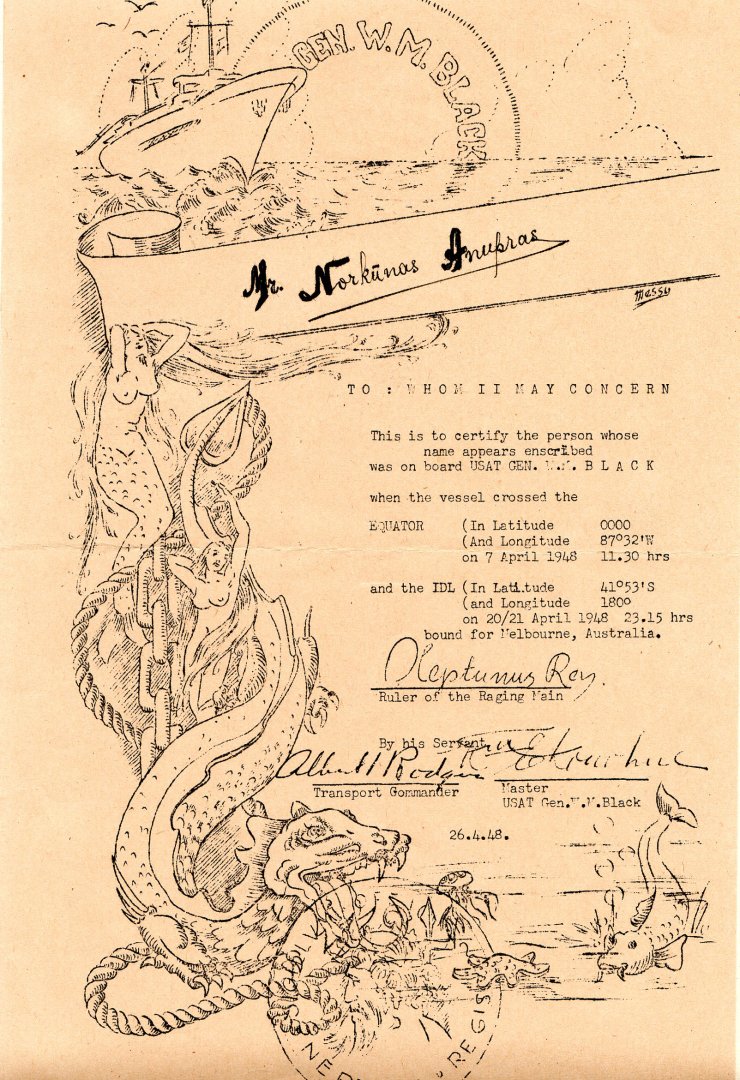
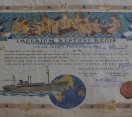
Equator crossing certificate issued to Anupras Norkunas on the ship The General W. M. Black

April 26, 1948

Anupras Norkunas was born in 1903 in Garniai Manor, Utena County. He graduated from the Police School in 1928. After moving to Germany, he emigrated to Australia in 1949.

Australian Lithuanian Archives

AUSTRALIAN LITHUANIANS. PART 1

Lithuanian emigrants sailing to Australia on the ship The Castel Bianco

November 1948

The ship The Castel Bianco reached the shores of Sydney on November 19th, 1948.

Australian Lithuanian Archives, document No. PH0132

AUSTRALIAN LITHUANIANS. PART 1

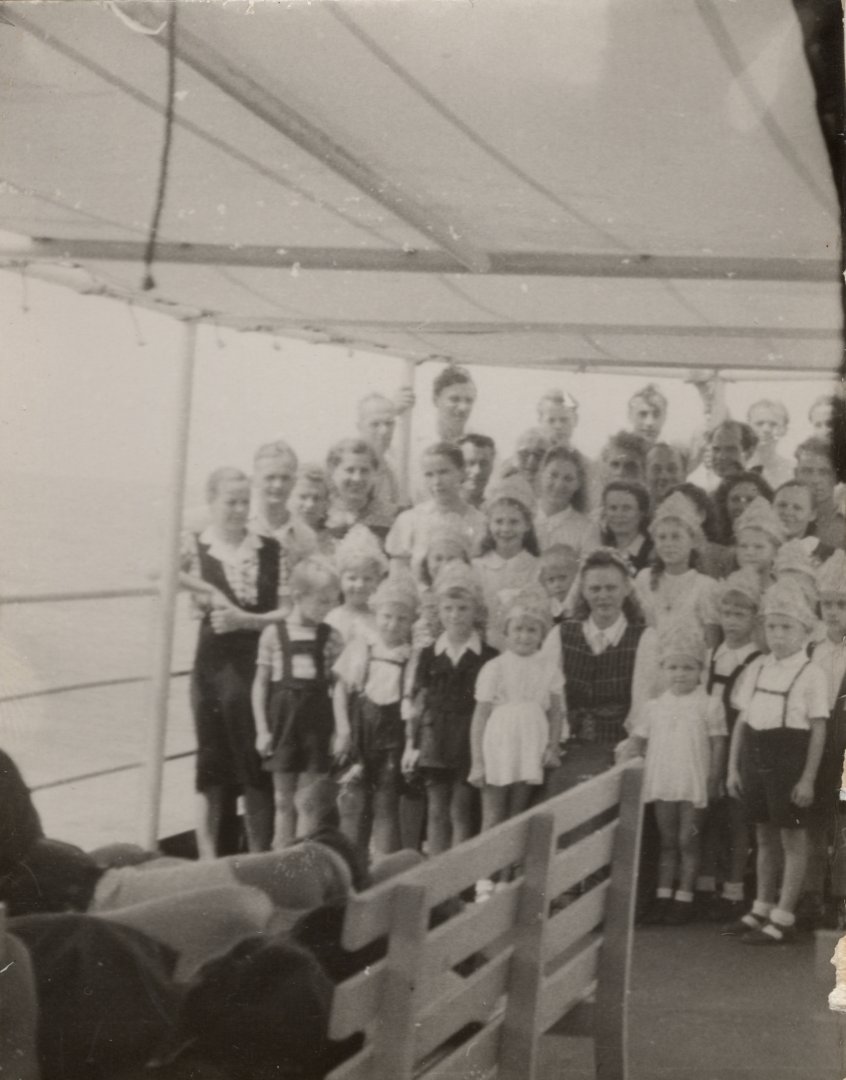
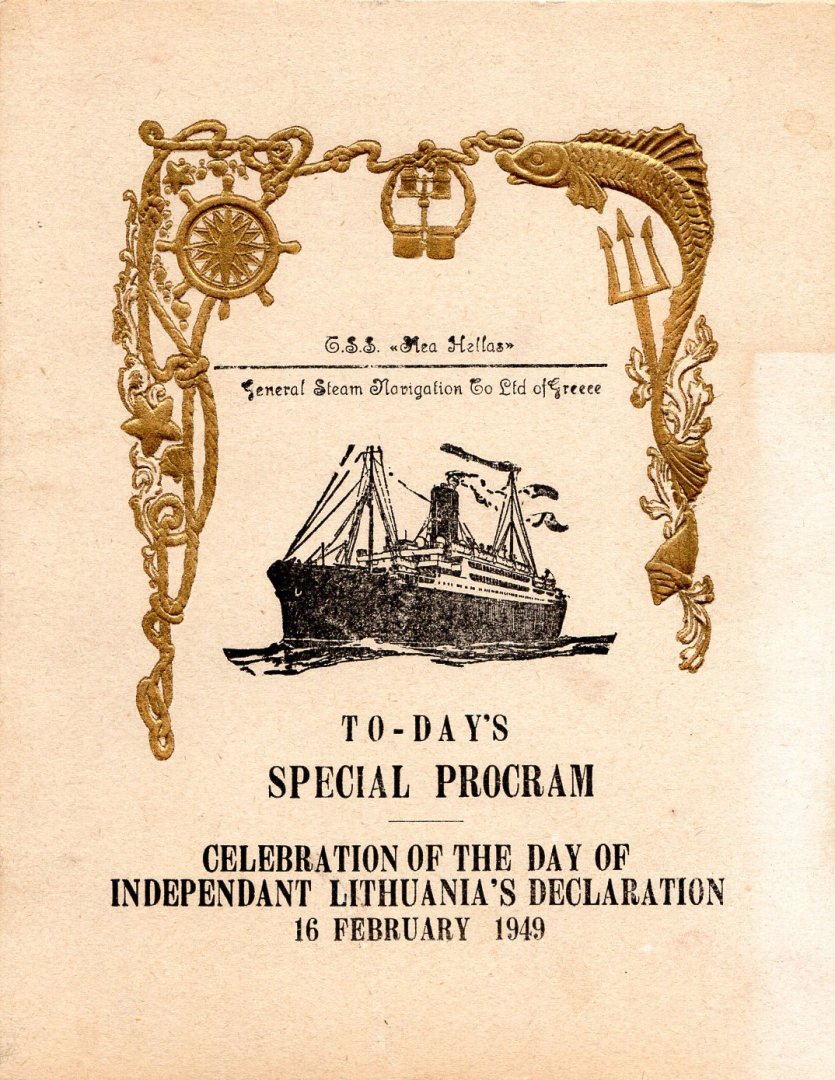
Lithuanian Independence Day Celebration Program on the Ship The Nea Hellas

February 16, 1949

The ship The Nea Hellas sailed from Genoa, Italy on January 24th, 1949. Reached the shores of Melbourne on February 23rd, 1949.

Australian Lithuanian Archives

AUSTRALIAN LITHUANIANS. PART 1

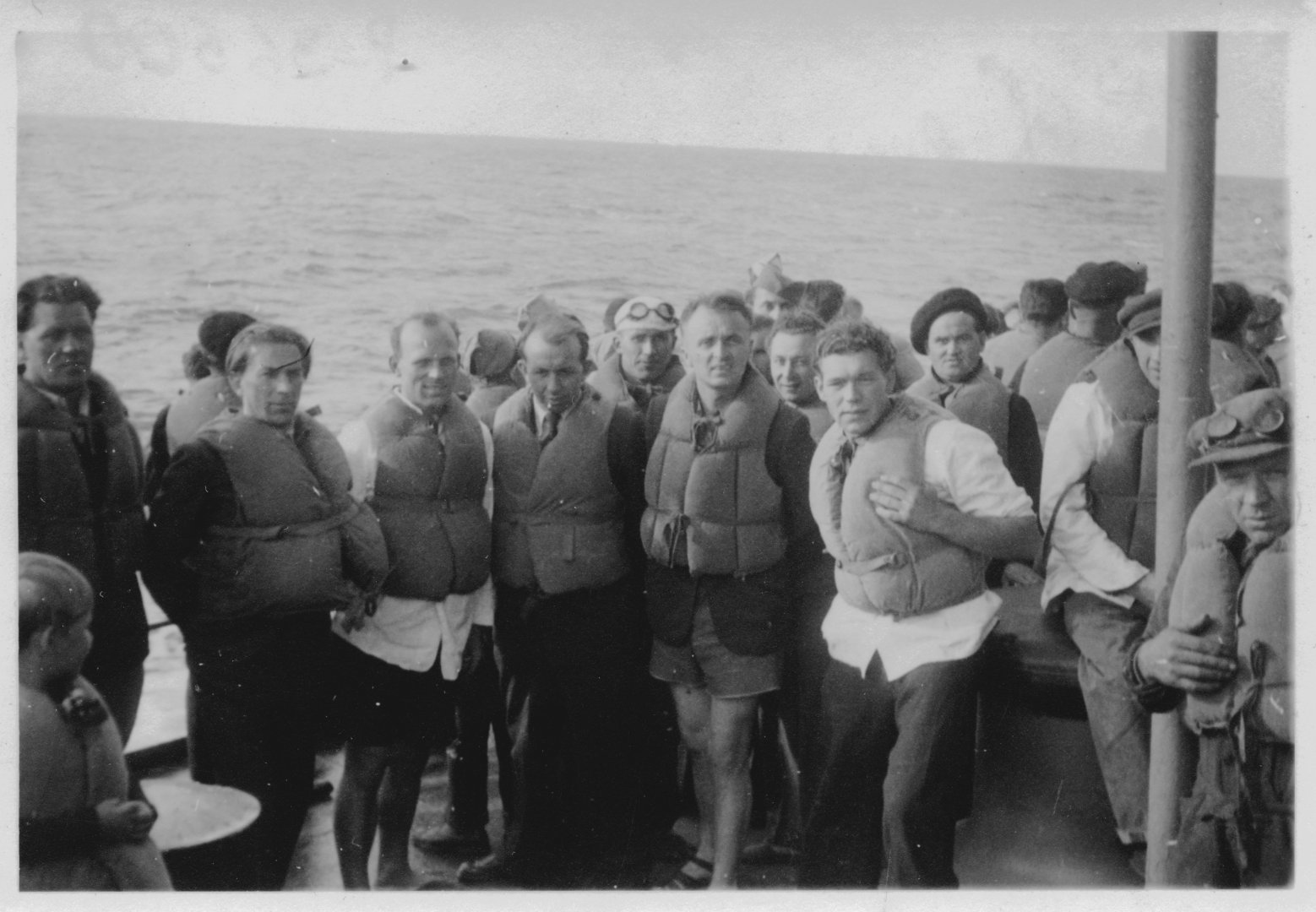
Journey across the Red Sea to Australia on the ship The General SD Sturgess

May 1949

Lithuanian emigrants on the ship during a rescue exercise, first from the right Leonardas Venslovas, second Andrius Titlius.

The ship The General SD Sturgess sailed from Naples, Italy, on April 24th, 1949. It reached the shores of Sydney on May 21st, 1949.

Lithuanian Central State Archives, document No. P-36600

AUSTRALIAN LITHUANIANS. PART 1

Lithuanian emigrants sailing to Australia on the ship The Mozzafari

1949

Balys Nemeika second from the right.

Balys Nemeika (1923–2001) was born in the Vilnius region, in the village of Rekuciai. During the German occupation, he served in police units. He joined the American guard company in the Selingenstadt Displaced Persons (DP) camp. He arrived in Australia on May 21st, 1949, on the ship The Mozaffari. During his two-year contract, he worked in a sawmill, later acquiring the specialty of a welder. In 1952, he arrived in Adelaide from Western Australia and immediately became actively involved in the life of the Lithuanian community and athletes in Adelaide.

Australian Lithuanian Archives, document No. PH0110

AUSTRALIAN LITHUANIANS. PART 1

The Skaugum, a ship carrying Lithuanian emigrants

1949

Australian Lithuanian Archives, document No. PH0131

AUSTRALIAN LITHUANIANS. PART 1

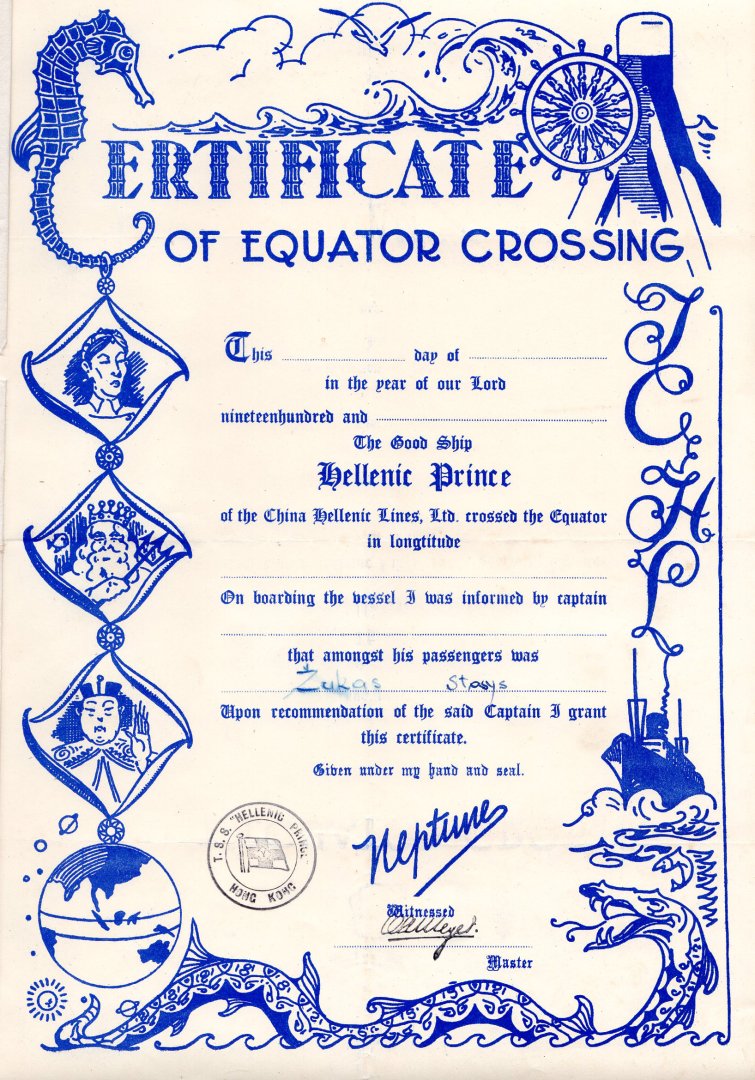
Equator crossing certificate issued to Stasys Zukas on the ship The Hellenic Prince

1949

Stasys Zukas – violinist and choirmaster (b. 1924), emigrated to Australia in 1949, ending up in the city of Newcastle. In 1950, he started working as a laborer in a steel factory. When about 200 Lithuanians arrived in this city, he began leading the choir. From 1960 to 1978, the choir he led participated in all Australian Lithuanian song festivals.

Australian Lithuanian Archives

AUSTRALIAN LITHUANIANS. PART 1

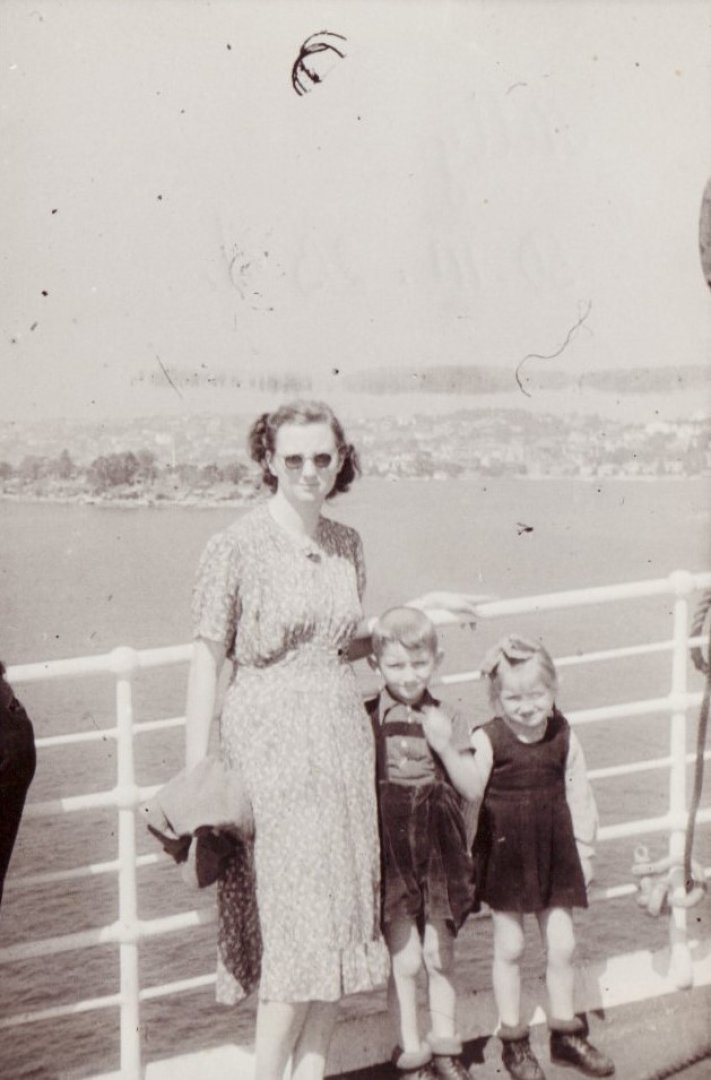
Ieva Pocius with her children Eugenijus and Elzbieta on their way to Australia on the ship The Nelly

1950

Ieva Pocius (Sakalauskaite) (1923–2010) was a prominent Australian Lithuanian sculptor. She was born on September 14th, 1923, in Piniava, Panevezys district, and studied at the Panevezys Girls' Gymnasium. On the eve of the World War II, the family settled in Kaunas. Ieva Sakalauskaite graduated from the last grade of gymnasium in this city and studied at Vytautas Magnus University until 1943. On April 19th of the same year, at the age of nineteen, she married the future engineer Martynas Pocius. In 1944, the young family with their son Eugenijus moved to Germany. In 1946, their daughter Elzbieta was born. The Pocius family spent five years in Germany. In 1950, they emigrated to Australia, Adelaide. In 1959–1964, I. Pocius studied at the South Australian School of Art. She remained there to teach until 1975.

She created realistic and abstract sculptures, mainly for public spaces. In Light Square in Adelaide, there is a monument to the Australian writer Catherine Helen Spence (1986, bronze). Queen Elizabeth II of Great Britain attended the unveiling ceremony of this monument. In Glebe Park in Canberra, there is a sculpture Egle zalciu karaliene (1988, bronze) - a gift from the Lithuanian community for the 200th anniversary of Australia. She created many works for churches.

Personal archive of Daina Pocius

AUSTRALIAN LITHUANIANS. PART 1

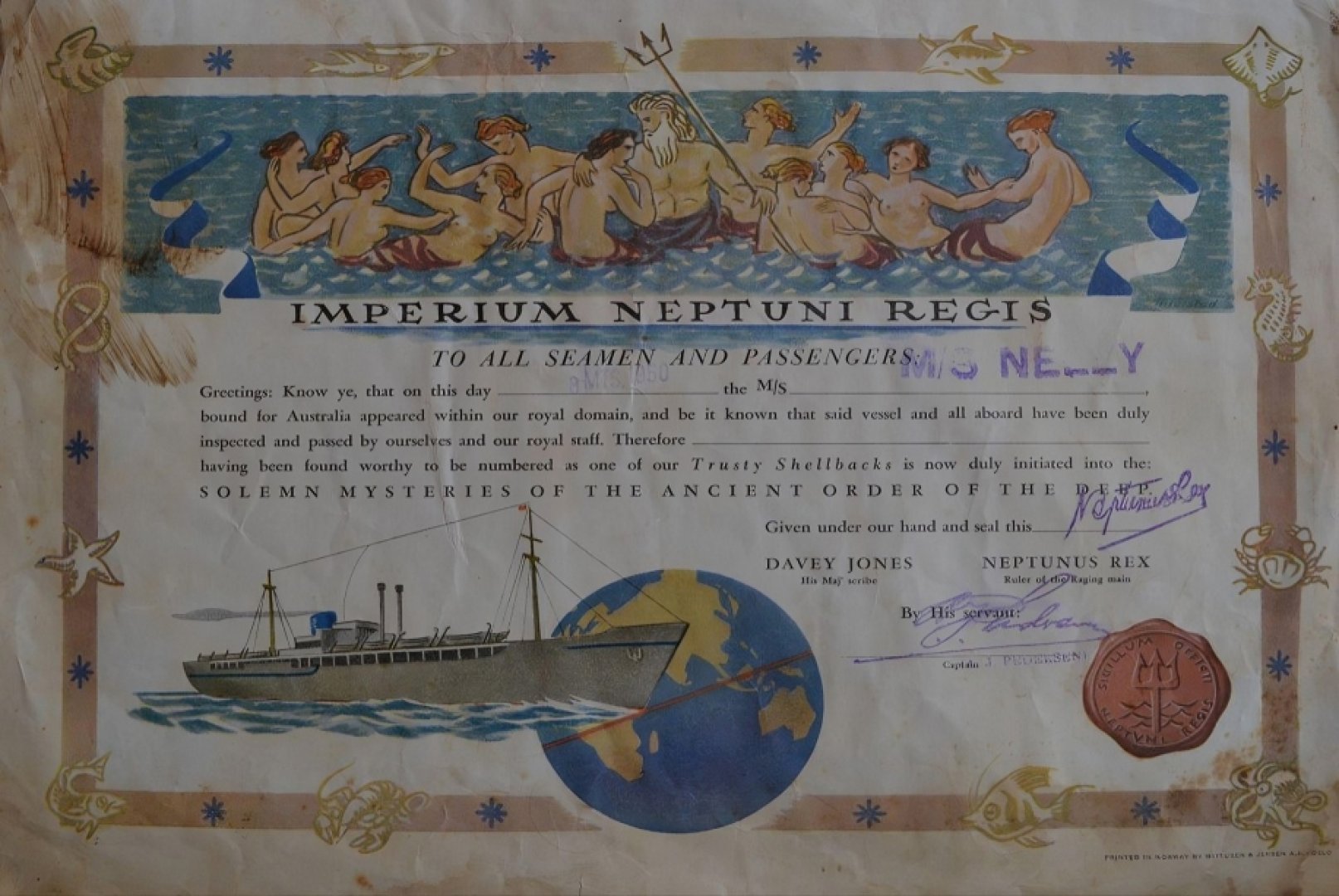
Equator crossing certificate issued on board the ship The Nelly

1950

Australian Lithuanian Archives

AUSTRALIAN LITHUANIANS. PART 1

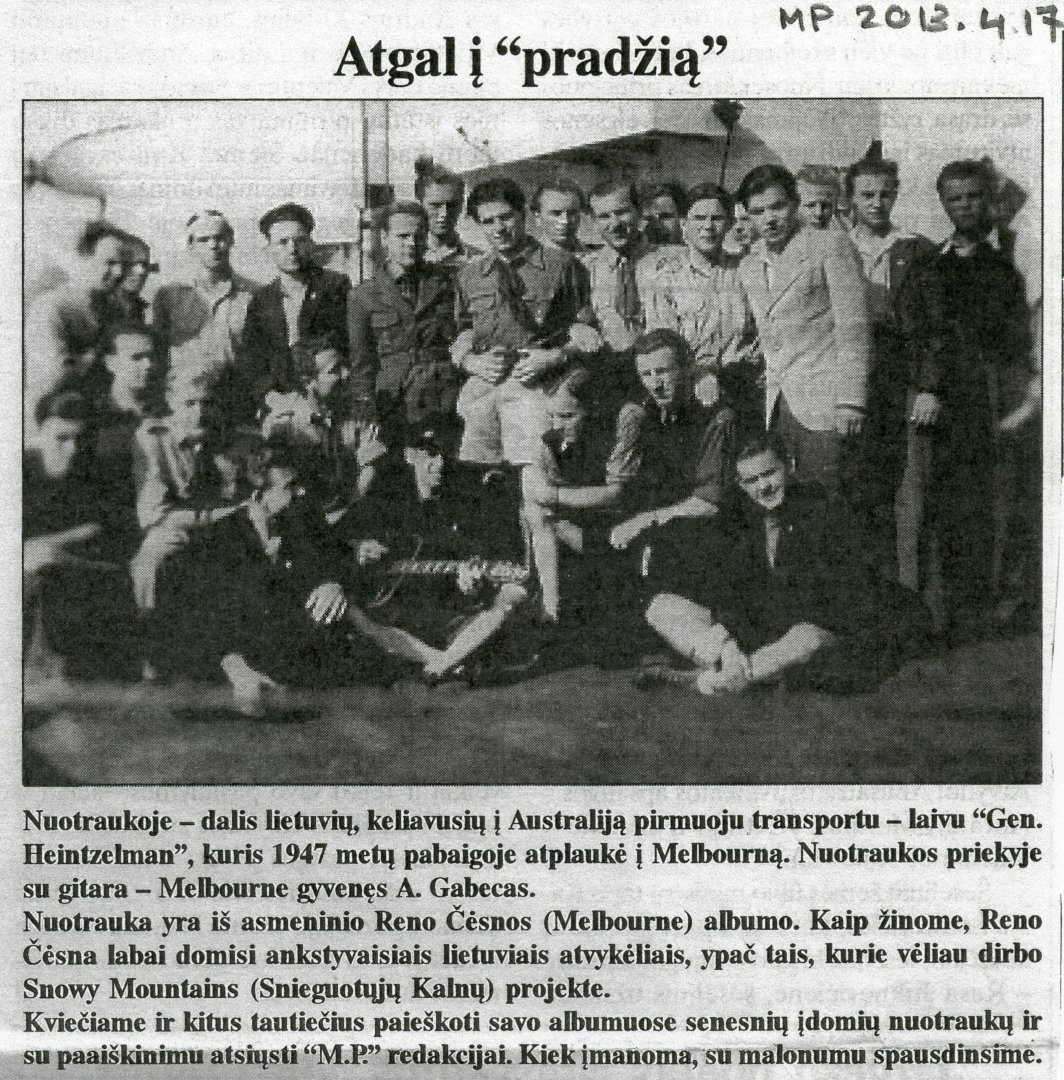
Message Back to the beginning in the newspaper Musu postoge about the first trip of Lithuanian refugees to Australia

Clipping from the newspaper Musu postoge, April 17th, 2013

Australian Lithuanian Archives

AUSTRALIAN LITHUANIANS. PART 1

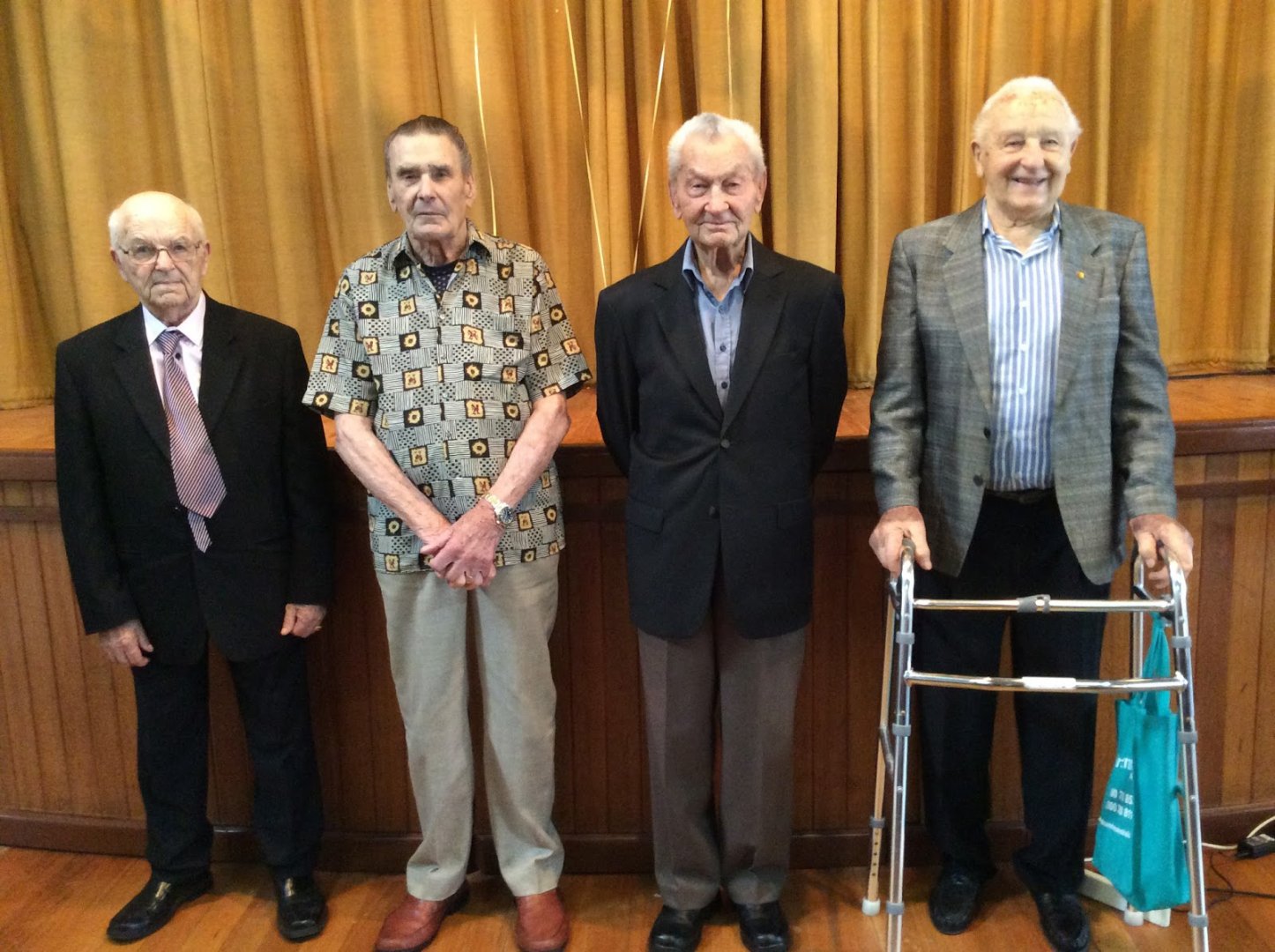
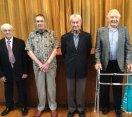
Commemoration of the 70th anniversary of the arrival of Lithuanian refugees – the first transport – to Australia on the ship The General Stuart Heintzelman at the Adelaide Lithuanian House

2017

The event was attended by four men who were on the ship. From left: Jonas Kildisas, Algimantas Pranckunas, Aleksas Saulius, Juozas Donela.

Australian Lithuanian Archives

Lt En