*virtualexhibitions_ranking_title*

*apsaugos_kodas*
*alt_phpcaptcha_generated_image*
Loading
*virtualexhibitions_rank_submit_message*

{{msg}}

AUSTRALIAN LITHUANIANS. PART 1

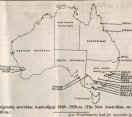
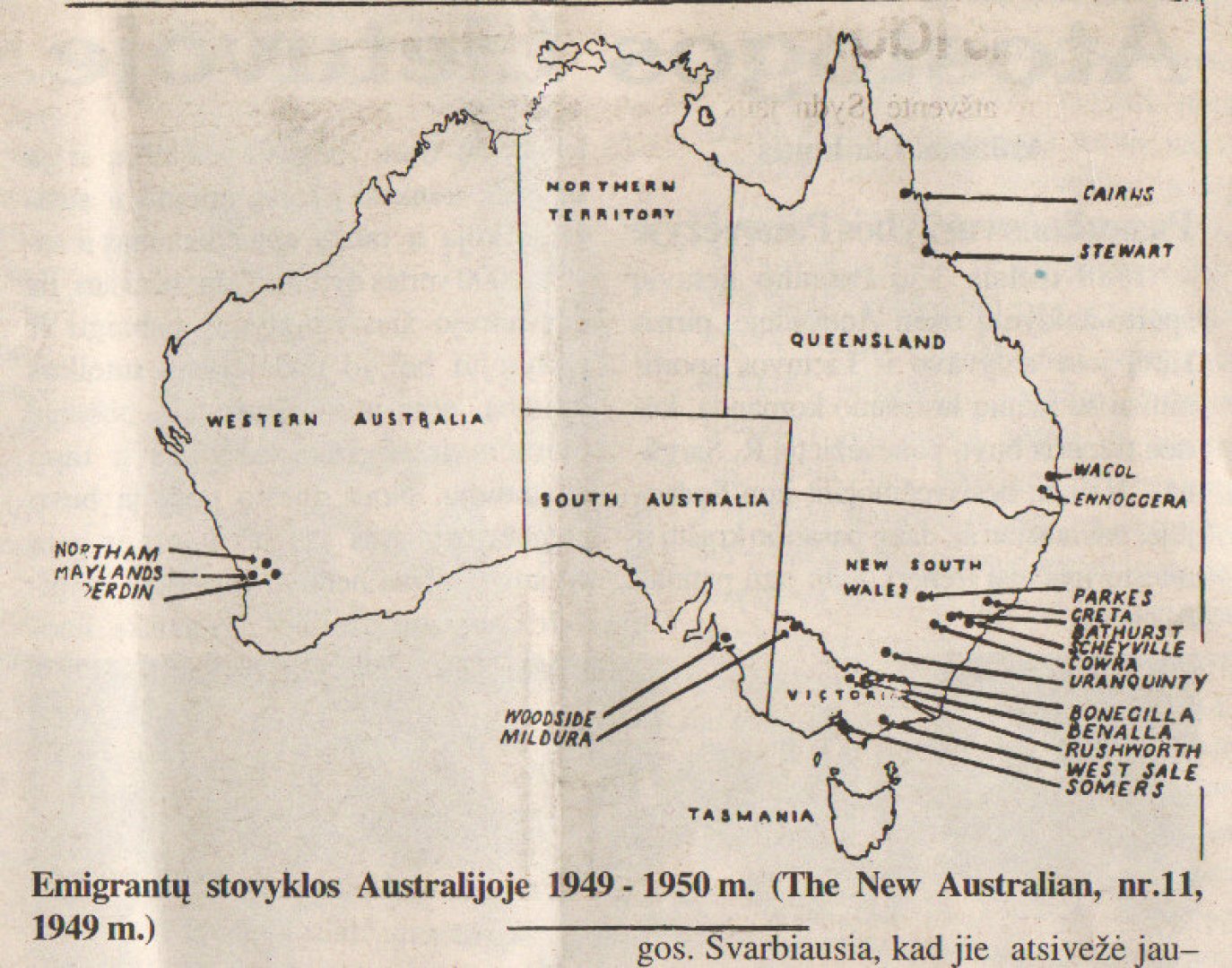
Migrant camps in Australia in 1949–1950. The New Australian, No. 11, 1949

Between 1947 and 1951, 54000 Lithuanians who had temporary asylum were resettled to various countries around the world. Just over 10000 Lithuanians arrived in Australia, of whom 9906 arrived under the Government program. Migrants had to meet strict health and age requirements and be prepared to work anywhere and in any job in Australia. Preference was given to single people or childless couples.

In exchange for arrival and settlement in Australia, refugees had to enter a two-year contract with the Australian government. The work was unskilled or semi-skilled.

Australian Lithuanian Archives

AUSTRALIAN LITHUANIANS. PART 1

Refugees arriving in Australia on the ship The General Stuart Heintzelman, the first Lithuanian transport, at the Bonegilla migrant camp

December 1947

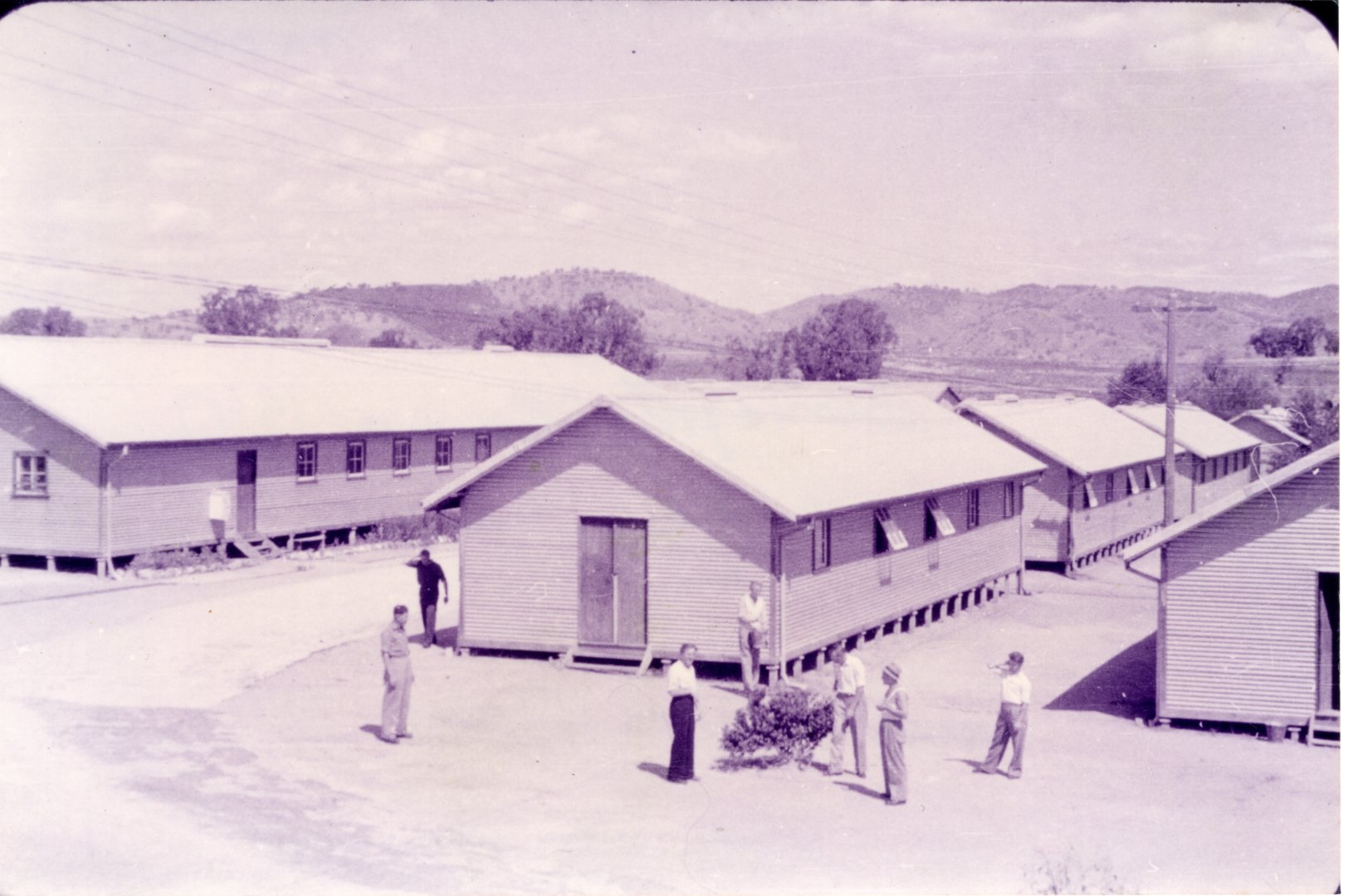
Migrant camps were set up in various parts of Australia: Bathurst, Bonegilla, Woodside.

In 1948, singles and families without children arrived, and in 1949, families with children began to arrive from Germany. The settlement plan became standardized. Regardless of which port a Lithuanian arrived at, he was transported by train to the Bonegilla camp (a former American army camp), where he was indoctrinated for several weeks at an Australian school, and then assigned to work in any state, without the right of appeal. Bonegilla is a locality in the state of Victoria, 300 km from Melbourne. Bonegila became a migrant reception and training centre in 1947.

Until 1971, it was the largest and longest-running migrant centre in Australia. Before it closed, it had received around 310000 migrants. The centre had 24 separate accommodation blocks, consisting of several long huts arranged around a central kitchen and dining area. Each person was provided with blankets, crockery and cutlery. The centre had a hospital, three churches, a cinema, a library, a primary school, a police station, banks, etc.

Women and children were housed separately from men until the huts were divided into family huts. It was here that the majority of Lithuanians who arrived in Australia were housed. The new migrants even managed to organise an art exhibition and a Baltic concert for the Minister of Immigration, Arthur Augustus Calwell.

Australian Lithuanian Archives, document No. PH0005
AUSTRALIAN LITHUANIANS. PART 1

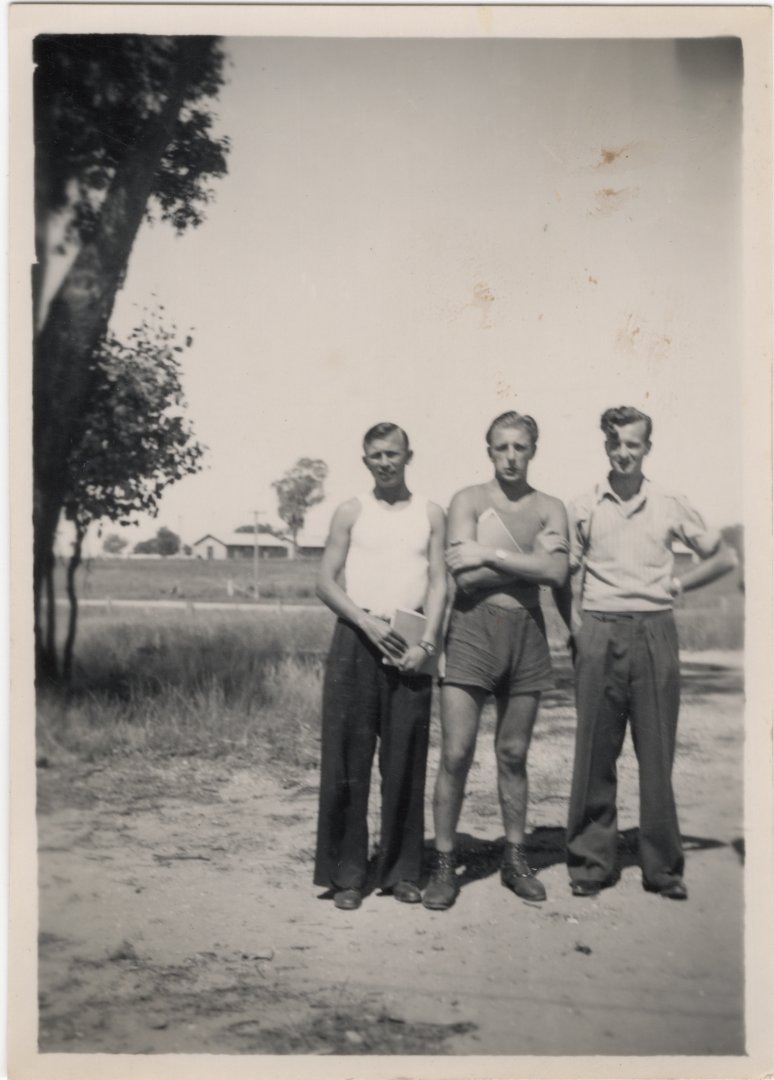
Juozas Donela in the Bonegilla migrant camp

[1948–1949]

Australian Lithuanian Archives, document number PH0123

AUSTRALIAN LITHUANIANS. PART 1

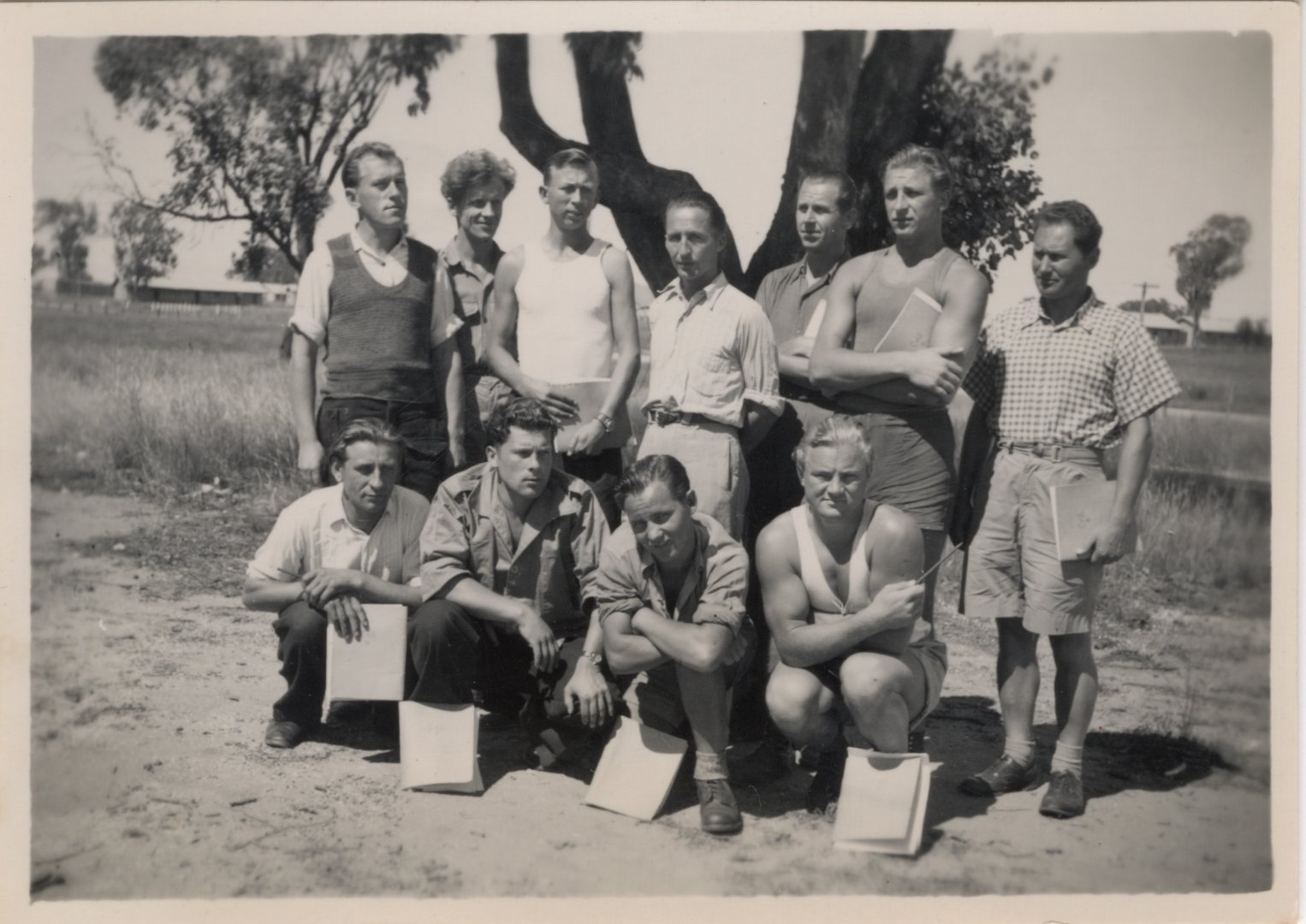
English language course attendees at the Bonegilla migrant camp

[1948-1949]

Second from right standing Juozas Donela.

Australian Lithuanian Archives, document No. PH0114

AUSTRALIAN LITHUANIANS. PART 1

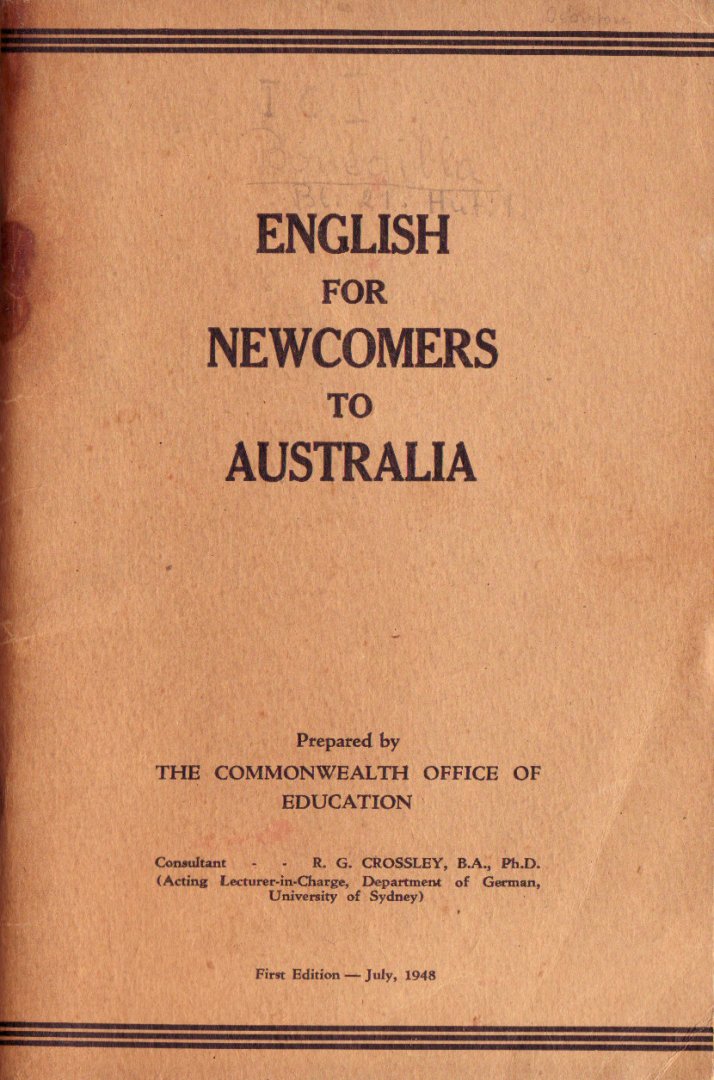
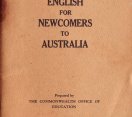
English Language Textbook for Newcomers to Australia

July 1948

Australian Lithuanian Archives

AUSTRALIAN LITHUANIANS. PART 1

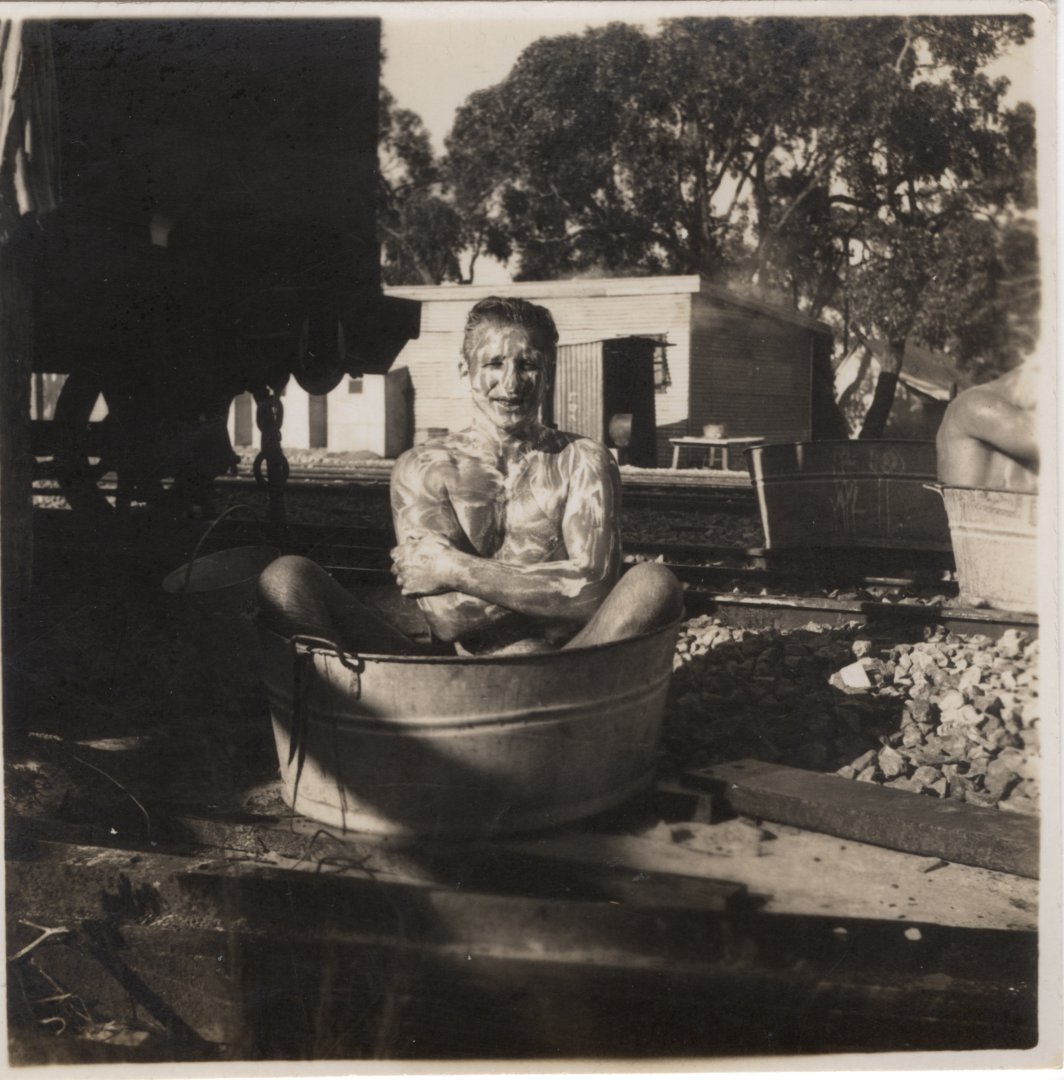
Juozas Donela bathing in the Bonegilla migrant camp

November 9th, 1947

Australian Lithuanian Archives, document No. PH0119

AUSTRALIAN LITHUANIANS. PART 1

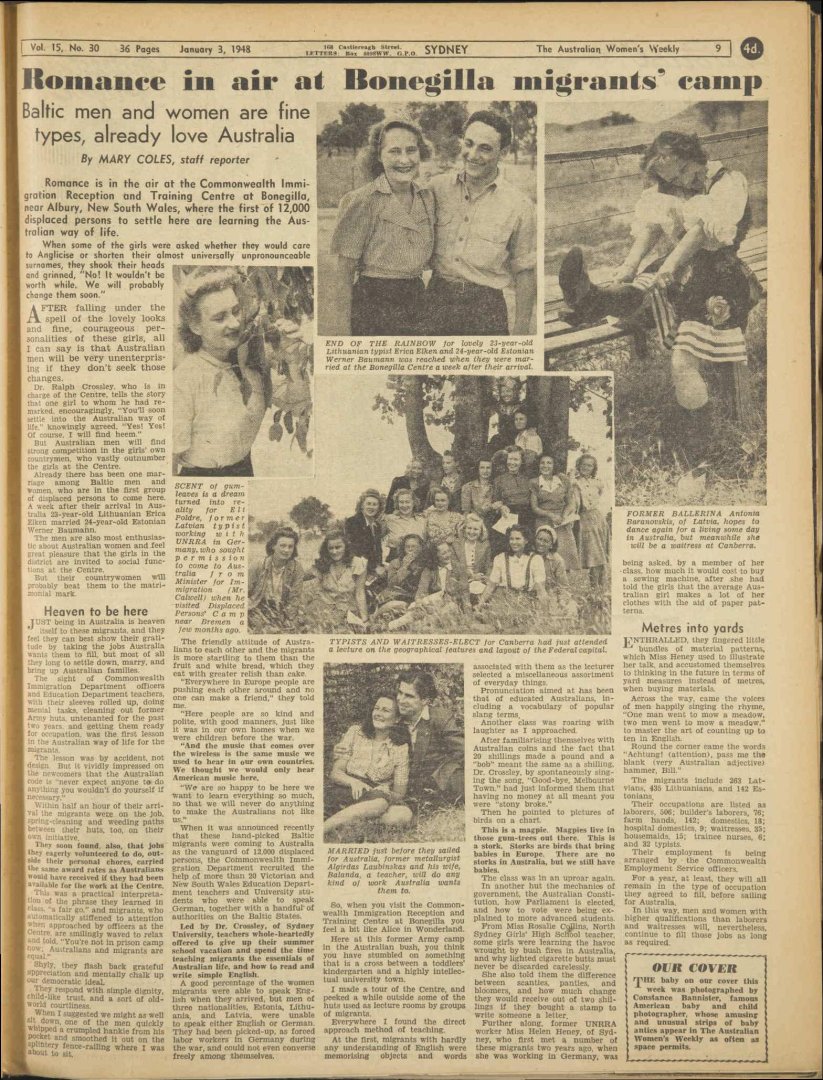
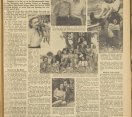
Article Romance is in the Air at Bonegilla Migrant Camp in Australian Women's Weekly, Vol. 15, No. 30

January 3rd, 1948

Australian Lithuanian Archives

AUSTRALIAN LITHUANIANS. PART 1

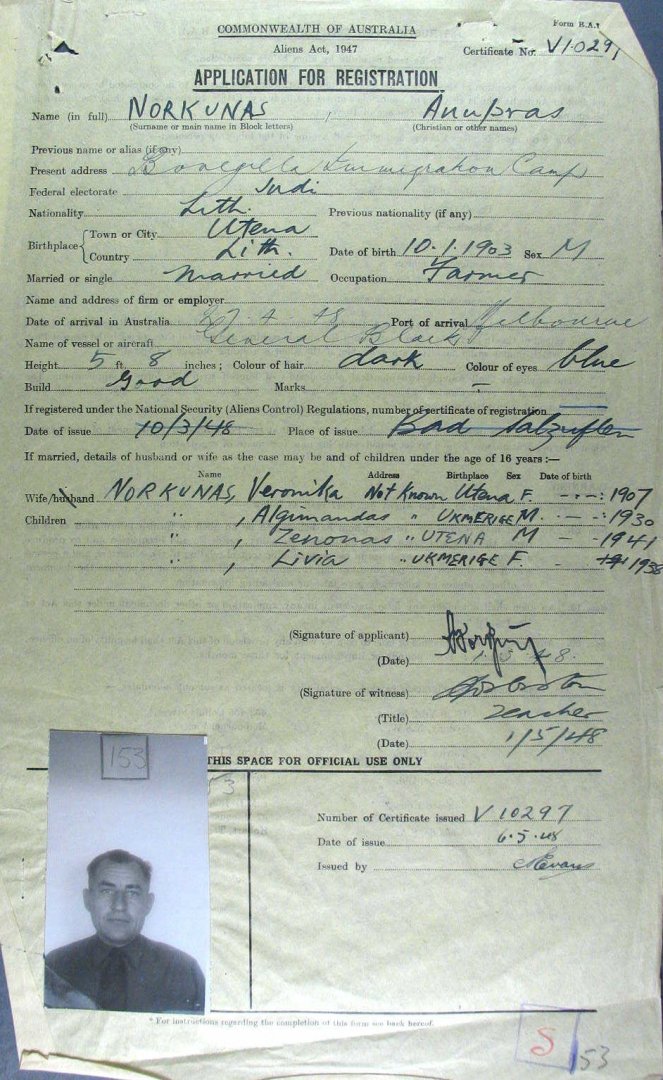
Registration application of Anupras Norkunas

May 6th, 1948

The application states that he arrived on the ship The General WM Black on April 27th, 1948, and is residing at the Bonegilla migrant camp.

Immigrants in Australia were officially known as aliens. The 1947 Act required all immigrants aged 16 and over to register and report any change in name, address or occupation. During the registration process, aliens had to submit several forms. The most common form was the Application for Registration of an Alien Coming to Australia. The form has varied over time, but always included the following information: name, surname, address, citizenship, date and place of birth, occupation, place and dates of birth of spouse and children, name of ship, date and place of arrival in Australia. Most forms included a passport photograph of the applicant.

Australian Lithuanian Archives

AUSTRALIAN LITHUANIANS. PART 1

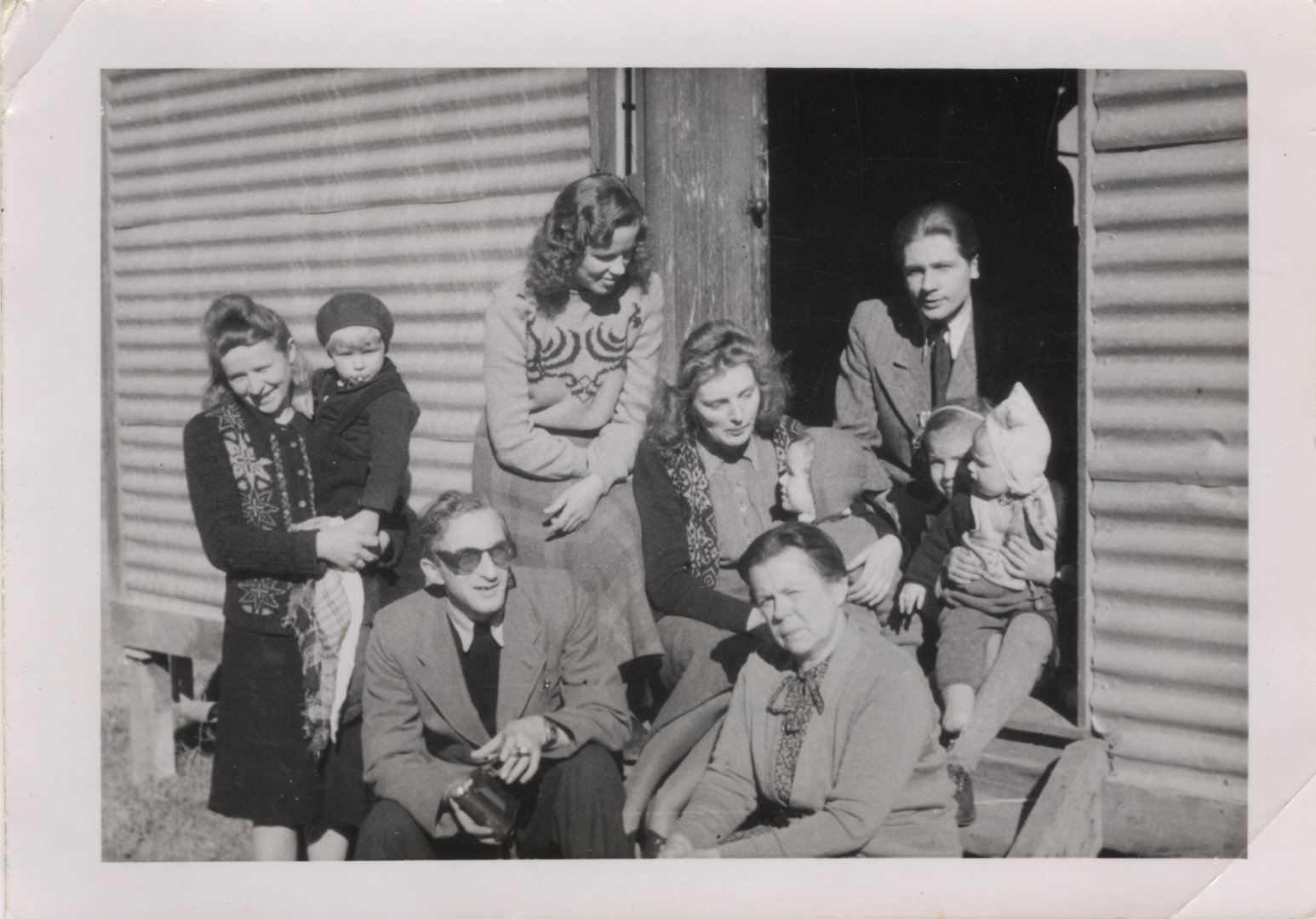
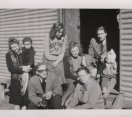
Lithuanians in the Bonegilla migrant camp

June 1949

Danute Urneviciene holds her daughter Aldona in her arms, Stasys Urnevicius sits behind two children. In front are Ceslovas Zamoiskis, Nadiezda Varnauskiene.

Stasys Urnevicius (1921–1997) was born in the village of Dauksiai, Marijampole district. He studied chemistry at Vytautas Magnus University. In 1944, the Germans took Stasys for military service, anti-aircraft defense. After the war, S. Urnevicius lived in the English zone of Germany, where he married Danute Bagdonaite, and arrived in Australia in 1947. Later, the family settled in Adelaide. Here S. Urnevicius obtained a bachelor's degree in chemistry. After arriving in Australia, he led the first Lithuanian basketball team in Adelaide. In 1950, together with other Lithuanian basketball players, he founded The Vytis basketball team, which he led and was its captain.

Australian Lithuanian Archives, document No. PH0115
AUSTRALIAN LITHUANIANS. PART 1

Adelaide Workers' Camp

1948

Australian Lithuanian Archives, document No. PH0004

AUSTRALIAN LITHUANIANS. PART 1

Jonas Staciunas is working under a two-year contract

Adelaide, June 5th, 1949

Jonas Staciunas (1921–2017) was born in Kaunas in 1921. On June 30th, 1948, he and his wife Marija arrived in Australia and were sent to the Bonegilla migrant camp. He later obtained a Bachelor of Engineering from the University of Adelaide. He was a long-time chairman of the Lithuanian community in Adelaide.

Australian Lithuanian Archives, document No. PH0111

AUSTRALIAN LITHUANIANS. PART 1

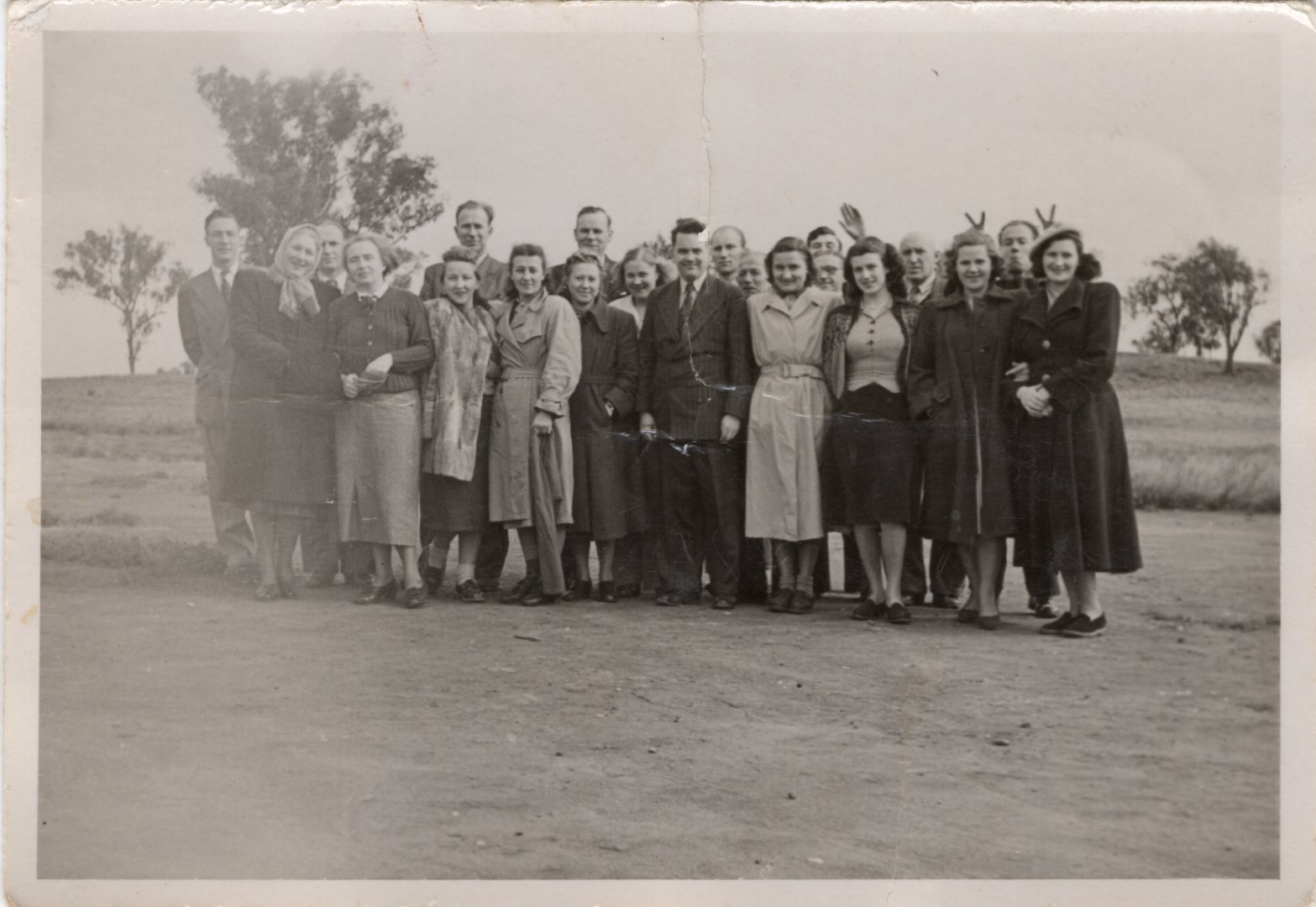
Lithuanians in the Bathurst migrant camp

1950

In 1948, the Bathurst migrant camp was the second largest settlement centre after the Bonegilla migrant camp (the city is approximately 200 kilometres northwest of Sydney, the camp was a few kilometres from the city). It was mainly inhabited by emigrants from the Baltic countries. The first inhabitants of the camp were emigrants of the Fourth Lithuanian Transport, who arrived in Sydney on the ship The General Sturgis on May 15th, 1948.

After completing a month-long English language course, the refugees were assigned to work in sugar cane plantations, logging, railway and waterworks. Lithuanians from the Bathurst migrant camp were scattered throughout Australia.

The Bathurst migrant camp was closed in 1951.

Australian Lithuanian Archives, document No. PH0092

AUSTRALIAN LITHUANIANS. PART 1

Lithuanians in the Bathurst migrant camp

1950

Australian Lithuanian Archives, document No. PH0122

AUSTRALIAN LITHUANIANS. PART 1

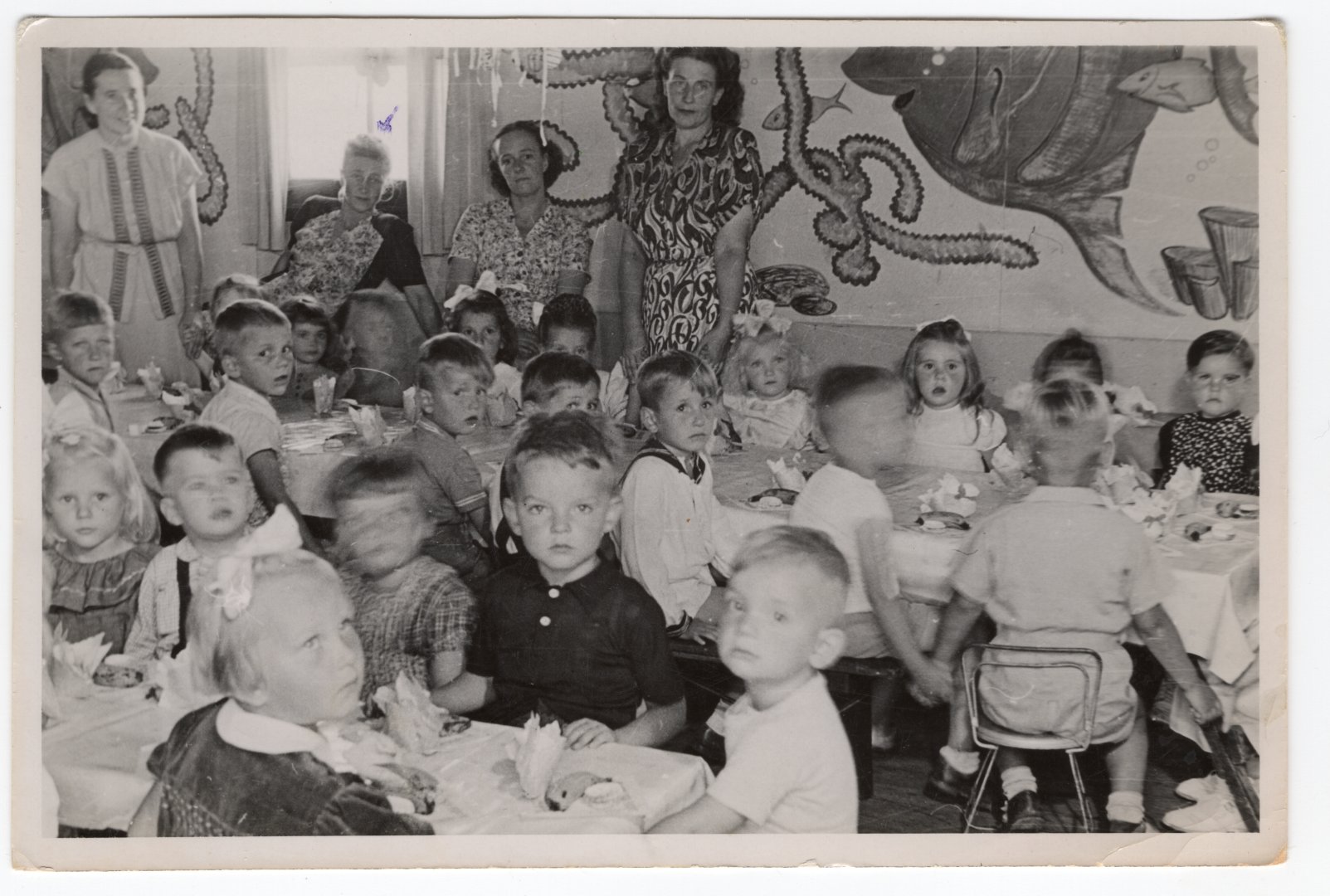
Kindergarten at Bathurst migrant camp

1950

Australian Lithuanian Archives, document No. PH0146

AUSTRALIAN LITHUANIANS. PART 1

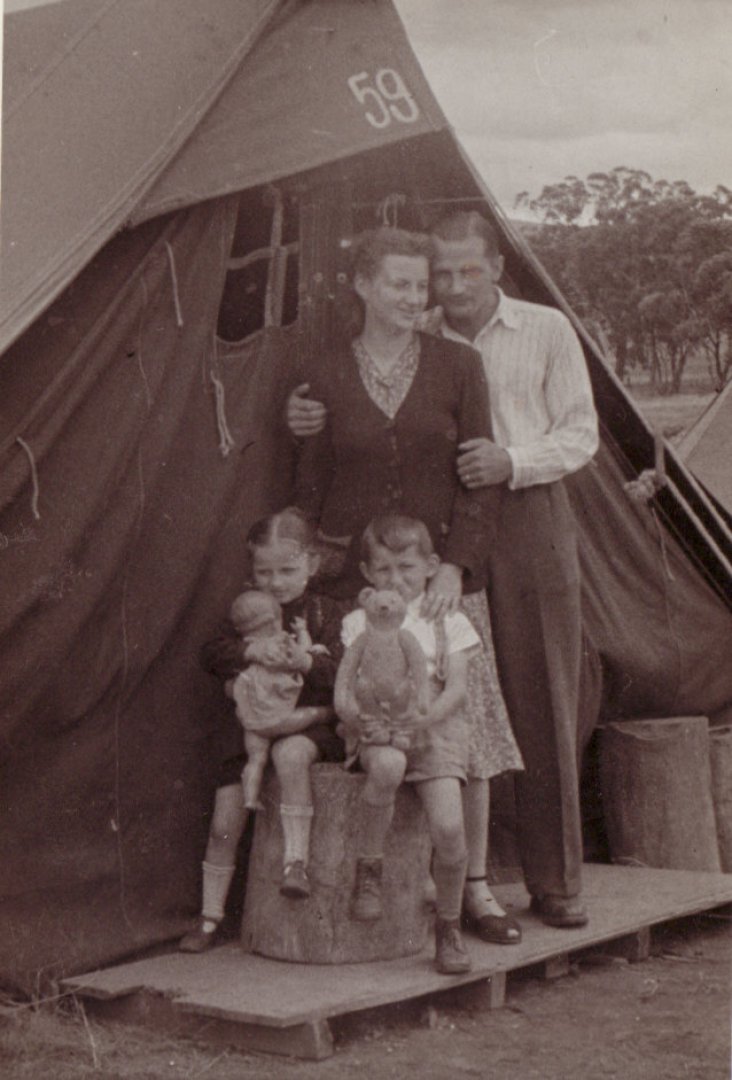
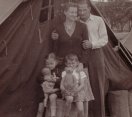
By the tent in the Bathurst migrant camp

1950

Ieva and Martynas Pocius with their children Elzbieta and Eugenijus.

Ieva Pocius (Sakalauskaite) (1923–2010) was a famous Australian Lithuanian sculptor. On April 19 th, 1943, she married the future engineer Martynas Pocius. In 1944, the young family with their son Eugenijus moved to Germany. In 1946, their daughter Elzbieta was born. The Pocius family spent five years in Germany. In 1950, they emigrated to Australia, Adelaide.

Martynas Pocius was born in 1920 in Metirkvieciai (Silute district), he was an engineer. In 1941, he graduated from Palanga Gymnasium. In 1941, studied civil engineering at Vytautas Magnus University, later in Braunschweig, Germany. In 1955, he graduated from the University of Adelaide and obtained an engineering degree. From 1960 to 1968, he worked as a chief engineer in the South Australian Housing Department. Participated in the activities of the Lithuanians of Adelaide. Member of the Adelaide District Board of the Australian Lithuanian Community (ALB), the ALB National Board and Council. Headed the chess section of the Adelaide Lithuanian Sports Club Vytis.

Personal archive of Daina Pocius

AUSTRALIAN LITHUANIANS. PART 1

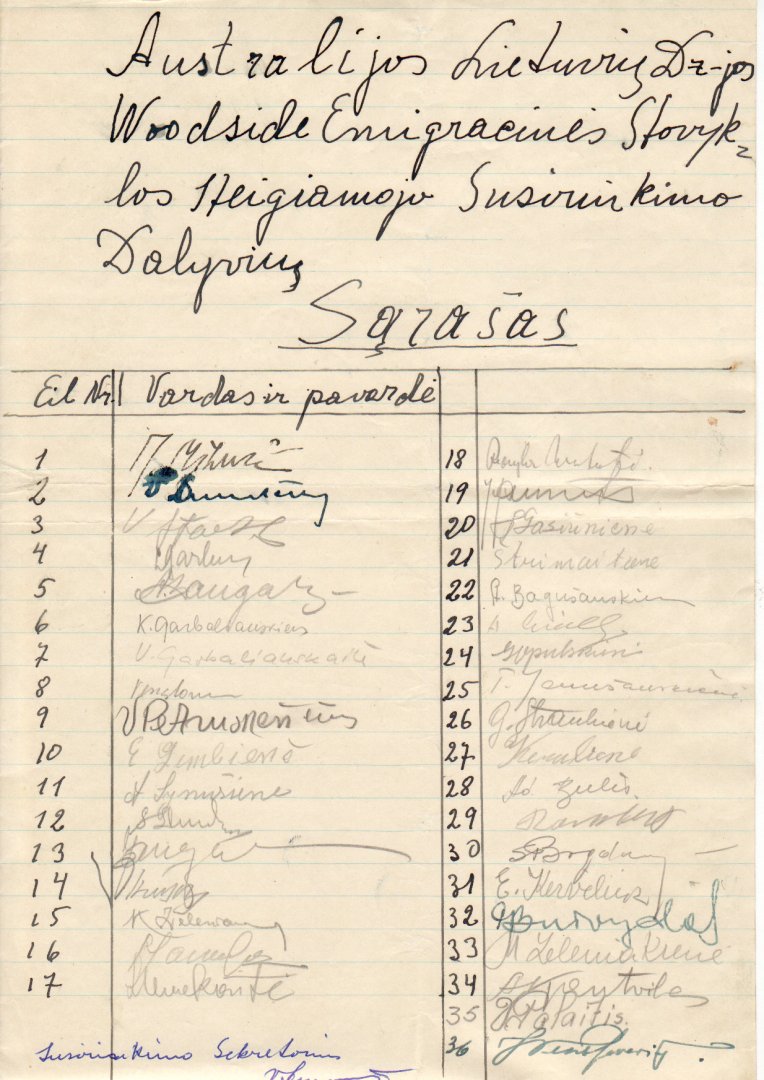
List of participants and records of the Founding Meeting of the Woodside Branch of the Lithuanian Society of Australia

August 15, 1949

On May 2, 1949, the ship The Goya arrived in Adelaide with over 100 Lithuanians. These displaced persons were sent to the Woodside migrant camp. Among the Lithuanians who arrived was the famous doctor Dr. Jonas Mikuzis.

On May 5, the ship The Oxfordshire brought more new Australians, including the artist Antanas Rukstele and the musician Vaclovas Simkus. During the official opening of the camp (June 4, 1949), V. Simkus organized a performance by the Lithuanian choir, and A. Rukstele - an exhibition of paintings.

Australian Lithuanian Archives

AUSTRALIAN LITHUANIANS. PART 1

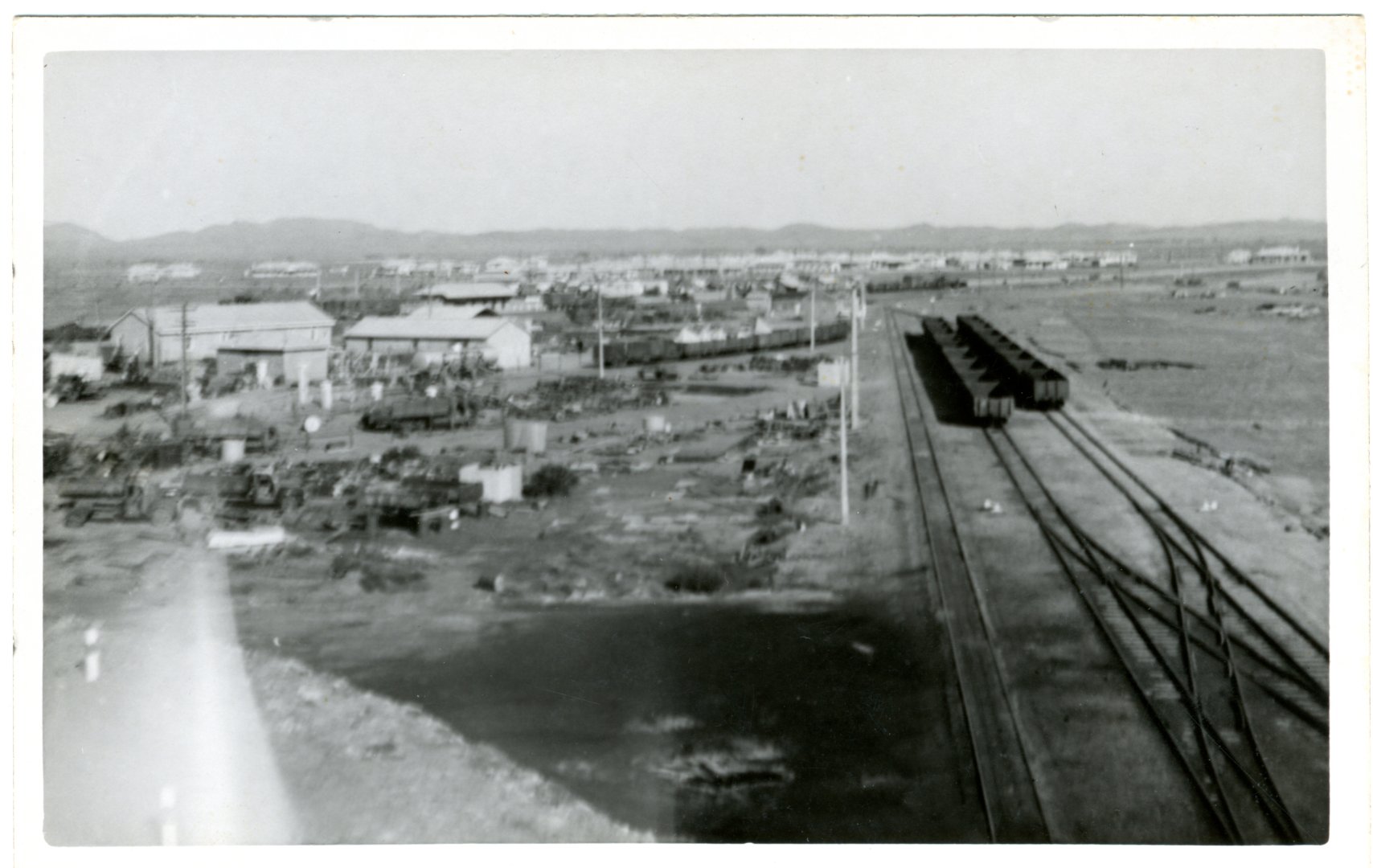
Leigh Creek, South Australia

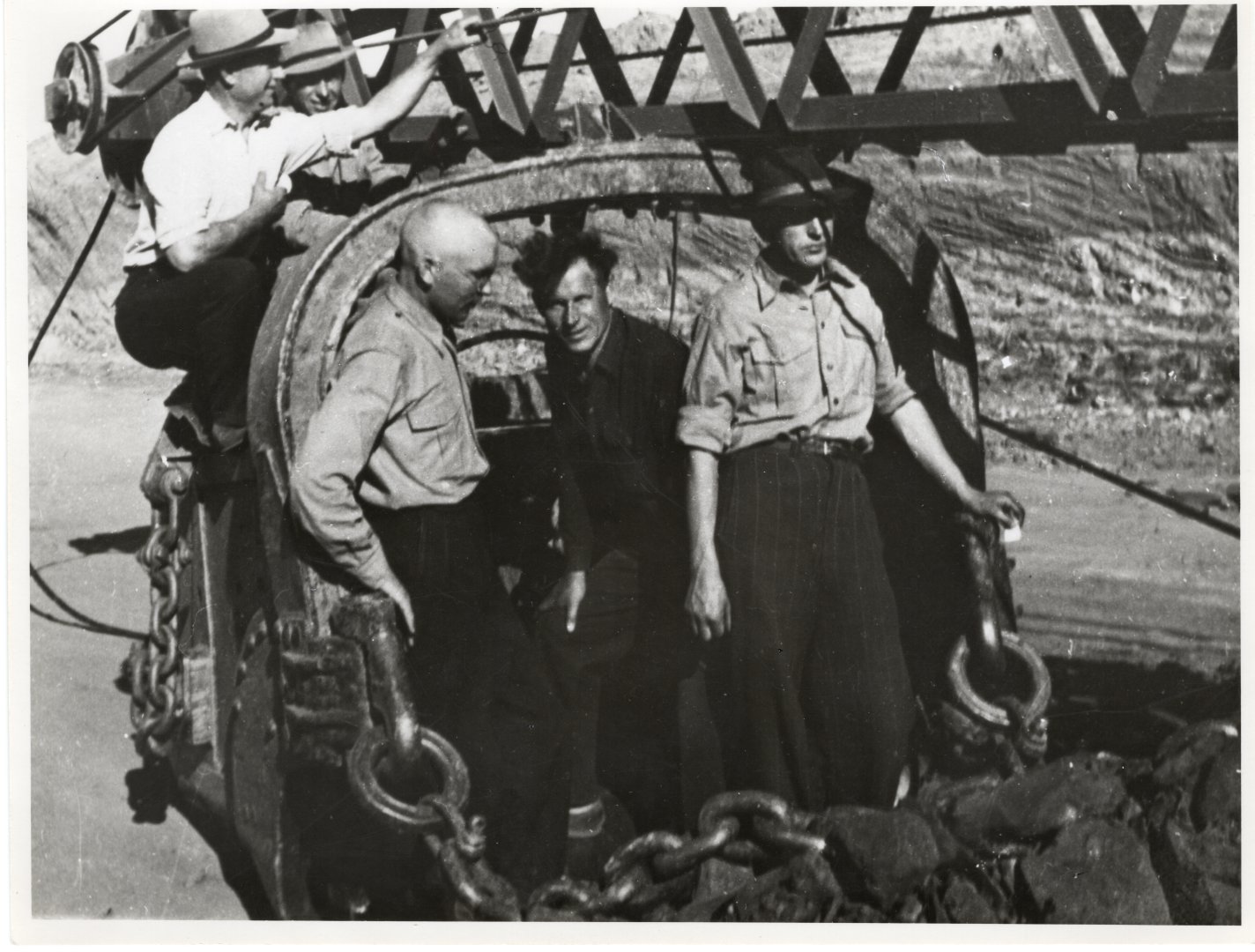
The town of Leigh Creek (South Australia) was famous for its brown coal mines, and is located in a semi-desert, about 400 miles north of Adelaide.

Many Lithuanian emigrants worked in this area and the Australijos Lietuvis was born, a biweekly newspaper that was published in Adelaide from 1948 to 1956. It was founded and edited by J. Glusauskas-Arminas. 199 issues were published.

Australian Lithuanian Archives, photo album of Jurgis Glusauskas

AUSTRALIAN LITHUANIANS. PART 1

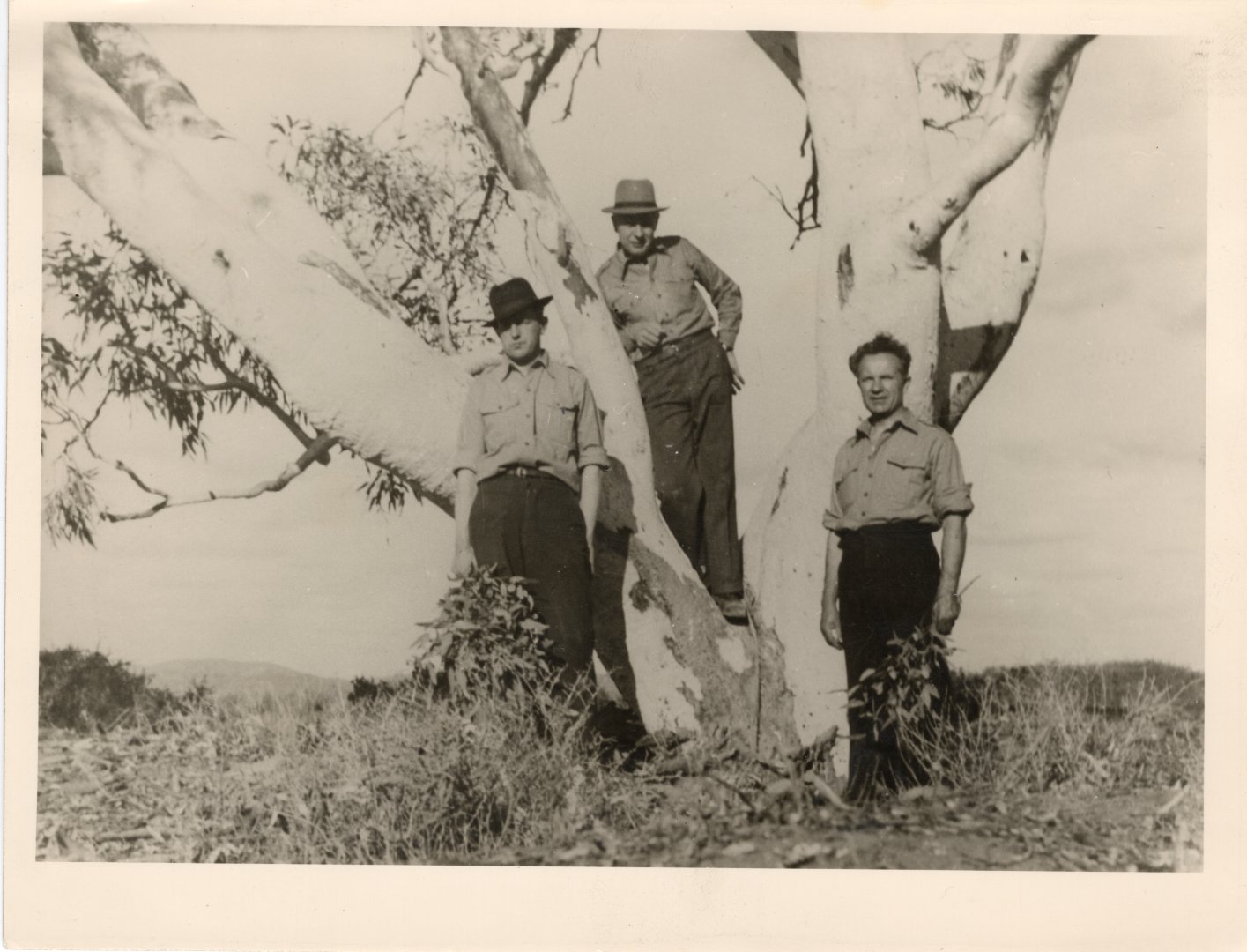
Lithuanians of the Fourth Transport

Leigh Creek, South Australia, 1948

From left: Jonas Langevicius, Juozas Norkunas, Andrius Bajorunas.

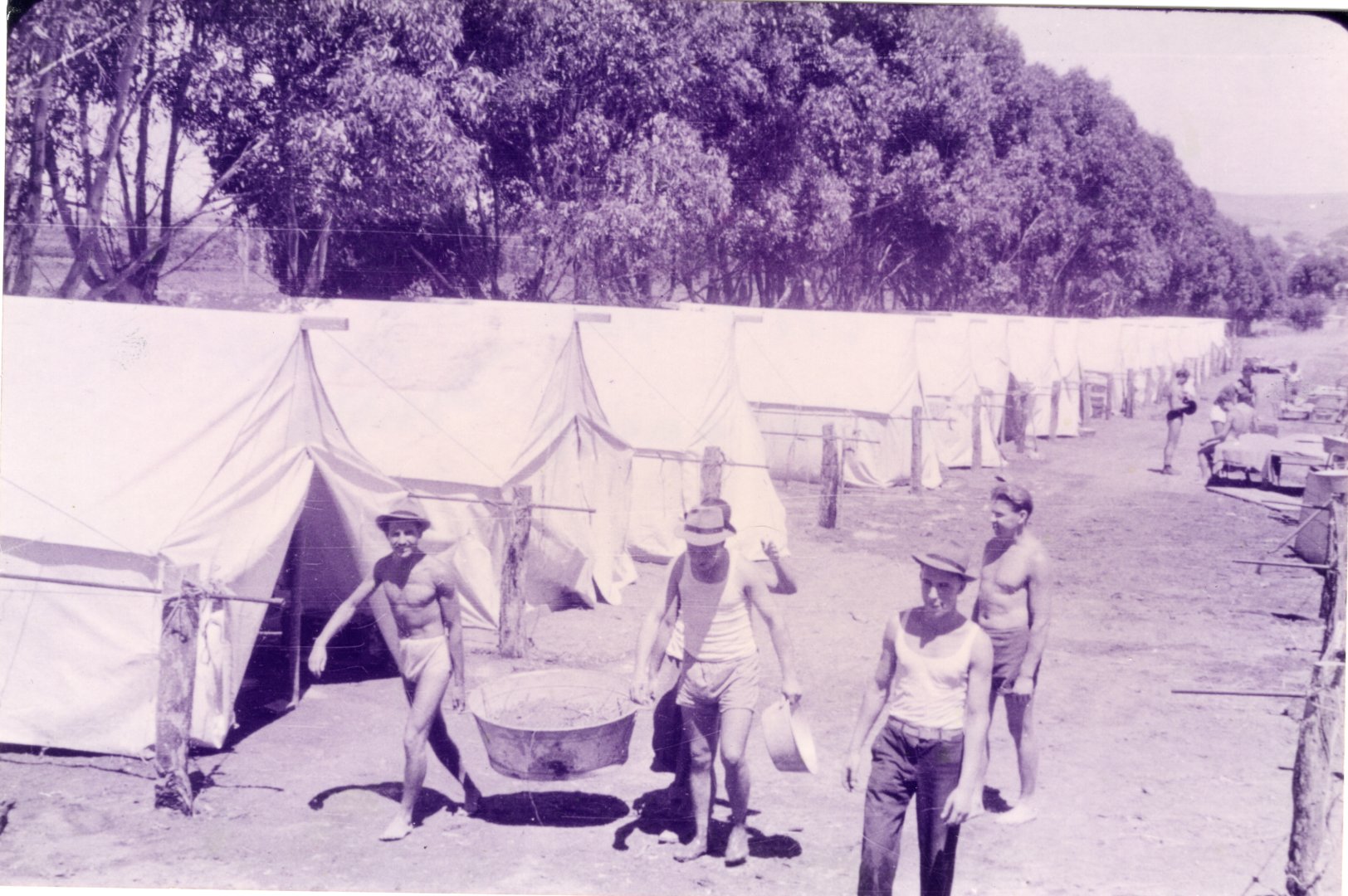
One of the first Lithuanian refugees to arrive at Leigh Creek was Andrius Bajorunas. Having emigrated to Australia, he arrived in July 1948 through the Bathurst migrant camp. Due to the lack of housing, the refugees at Leigh Creek were very welcome, as tents could accommodate single men (there were not enough houses for all the arrivals). The tent city consisted of about 200 tents, which were inhabited by about 400 workers. A. Bajorunas worked as a simple laborer for seven months, later being promoted to bulldozer operator. Although he was satisfied with his job, he was also very happy to leave after a two-year mandatory contract.

Leigh Creek, South Australia, 1948

AUSTRALIAN LITHUANIANS. PART 1

Lithuanian workers

Leigh Creek, South Australia, 1948

From left: Andrius Bajorunas, Jurgis Glusauskas, Jonas Vizbaras, Jonas Langevicius.

Australian Lithuanian Archives. Document No. PH0125

AUSTRALIAN LITHUANIANS. PART 1

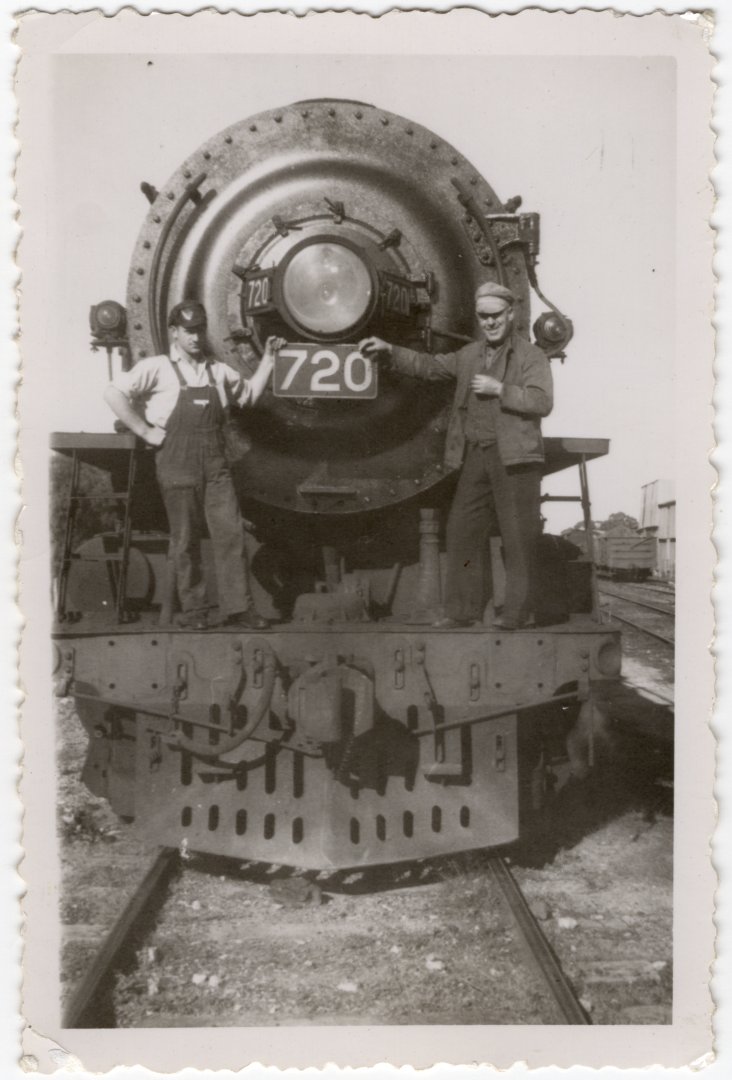
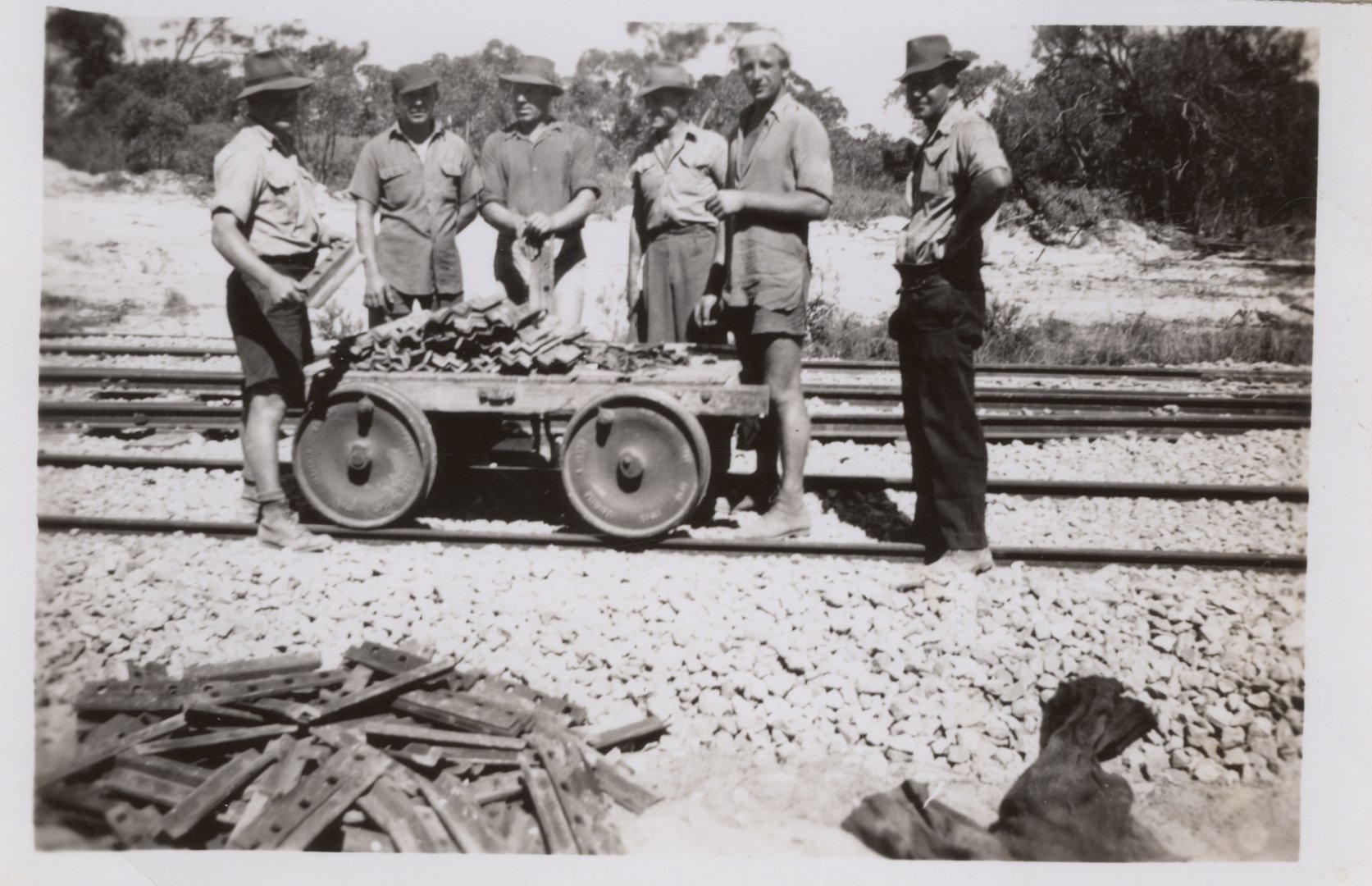
South Australian Railways Employed by Lithuanian Emigrants

1948

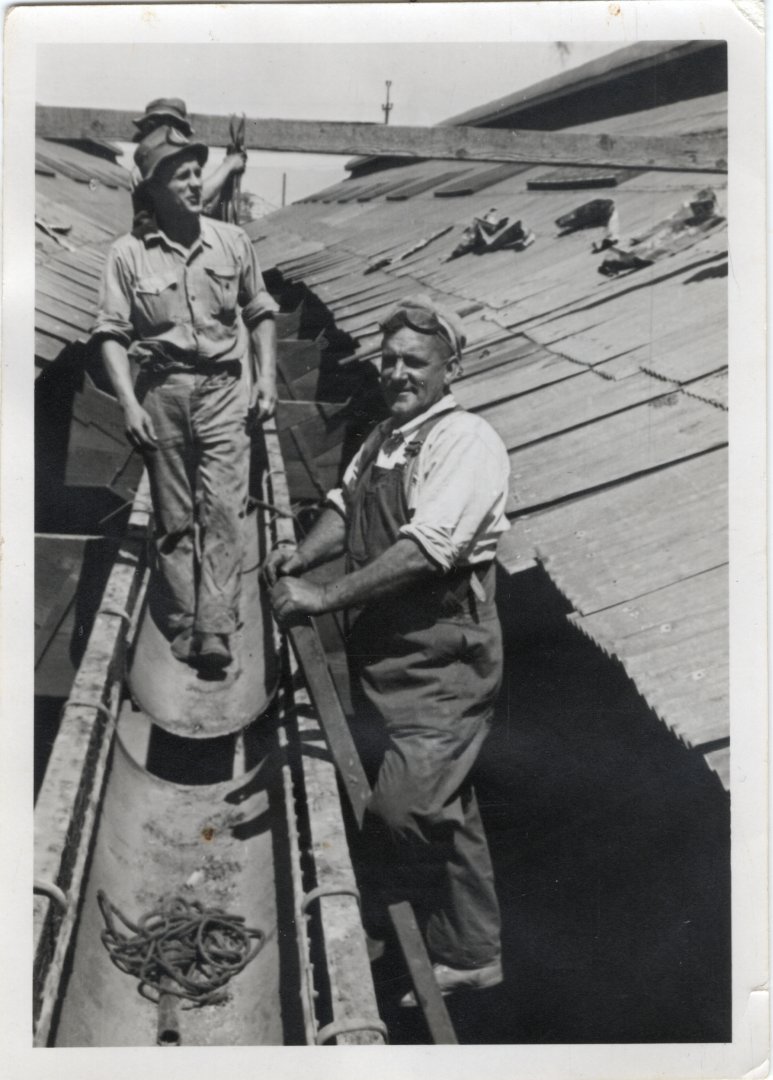
In South Australia alone, over 2500 male emigrants were employed on the railways, mostly in very isolated areas where Australians were reluctant to go.

Australian Lithuanian Archives. Document No. PH0019

AUSTRALIAN LITHUANIANS. PART 1

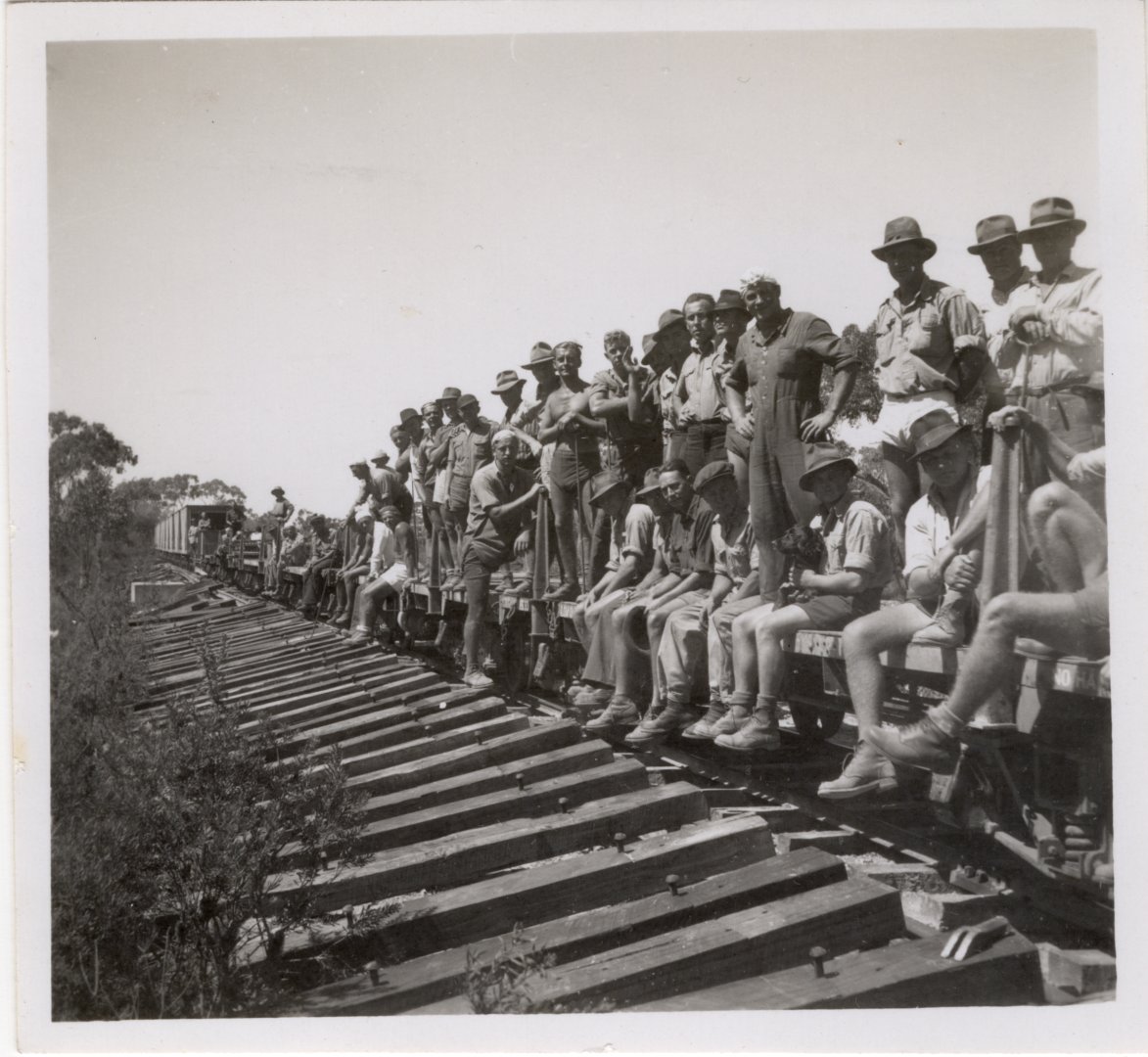
Two-year contract execution in railways

[1949-1950]

Second from the right – Juozas Donela.

Australian Lithuanian Archives, document No. PH0112

AUSTRALIAN LITHUANIANS. PART 1

Juozas Donela among railway workers

[1949–1950]

Australian Lithuanian Archives, document No. PH0113

AUSTRALIAN LITHUANIANS. PART 1

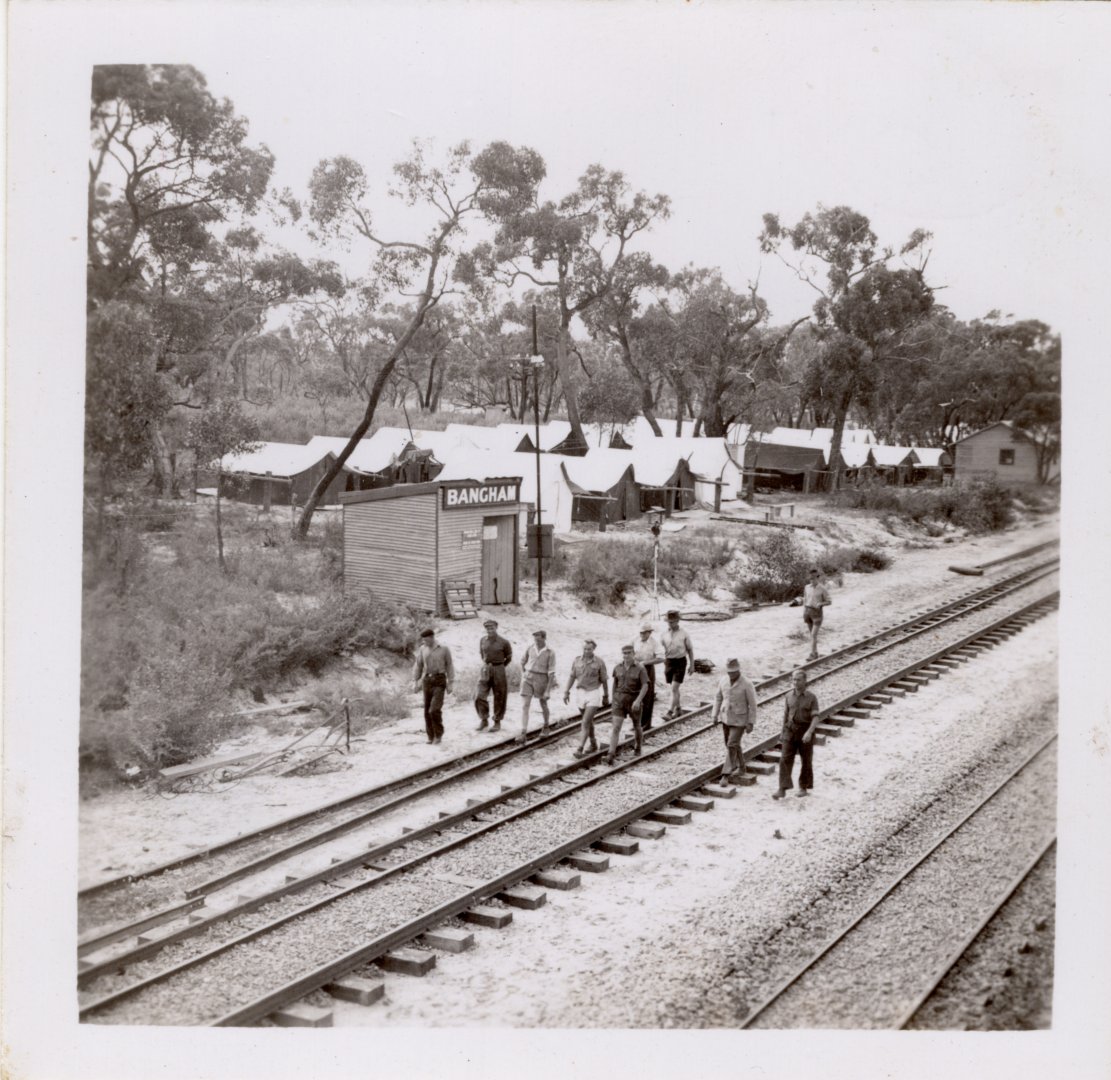
Juozas Donela at the railway

Bangham, South Australia, [1949–1950]

Australian Lithuanian Archives, document No. PH0118

AUSTRALIAN LITHUANIANS. PART 1

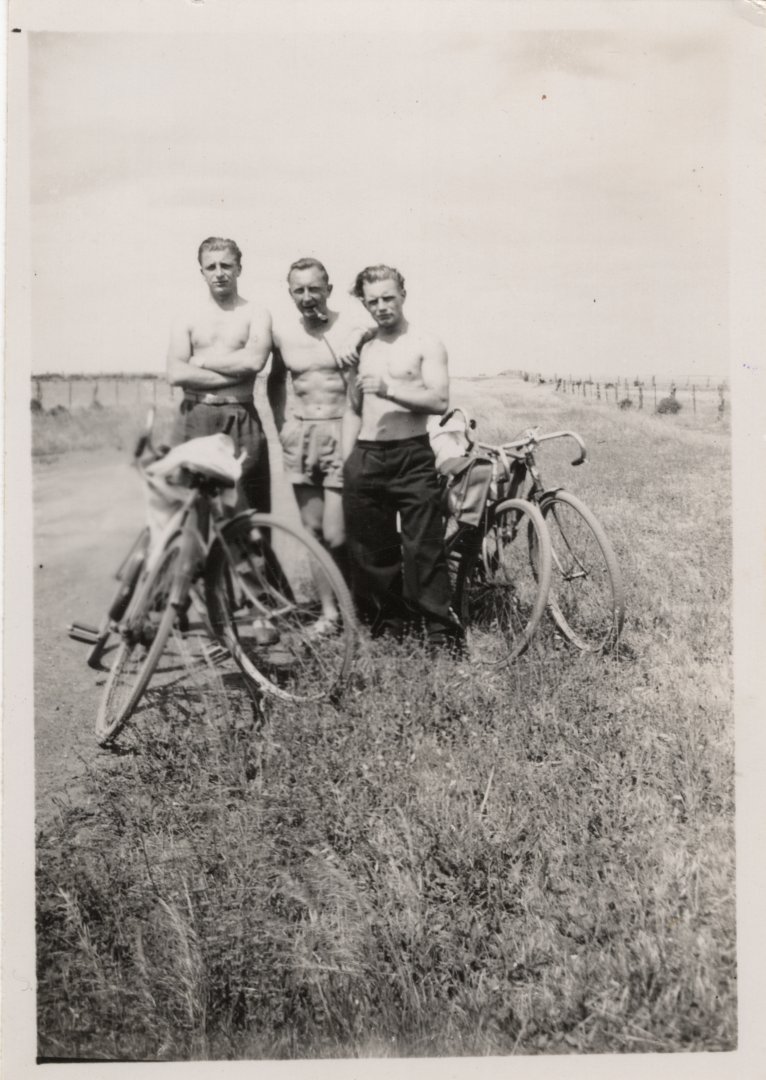
Juozas Donela with friends

Peterborough, South Australia, 1948

Australian Lithuanian Archives, document No. PH0030

AUSTRALIAN LITHUANIANS. PART 1

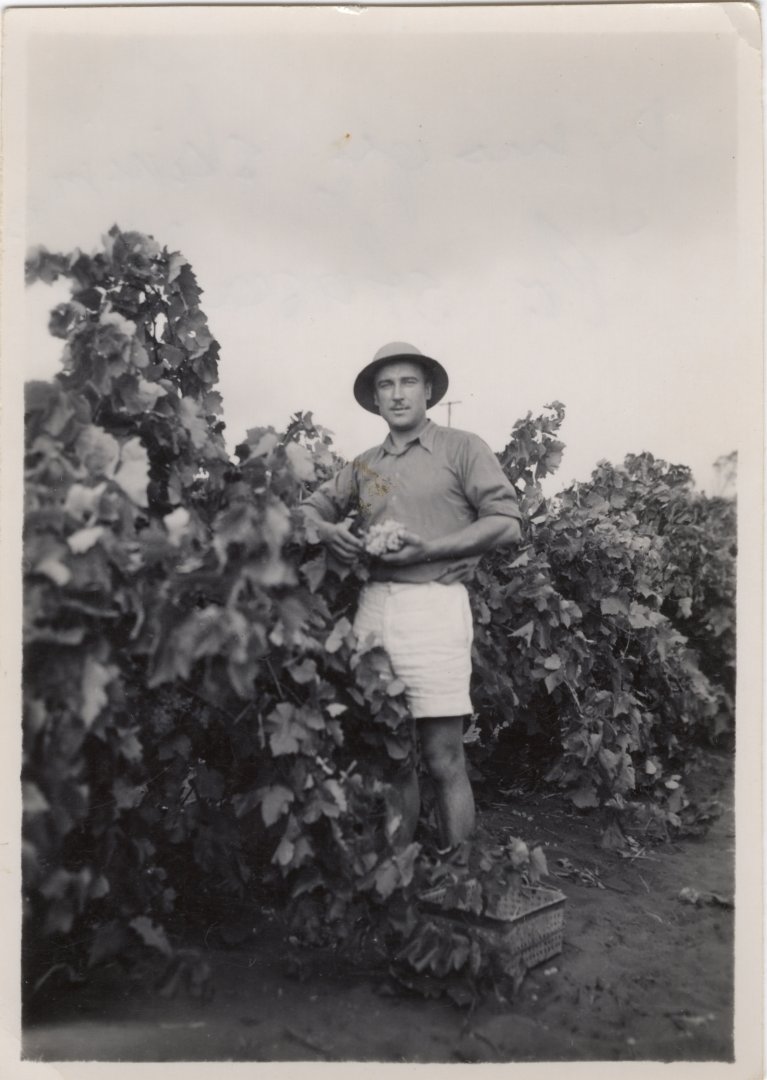
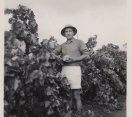
Pranas Stasaitis is picking grapes

Barmera (South Australia), 1948

Australian Lithuanian Archives, document No. PH0018

AUSTRALIAN LITHUANIANS. PART 1

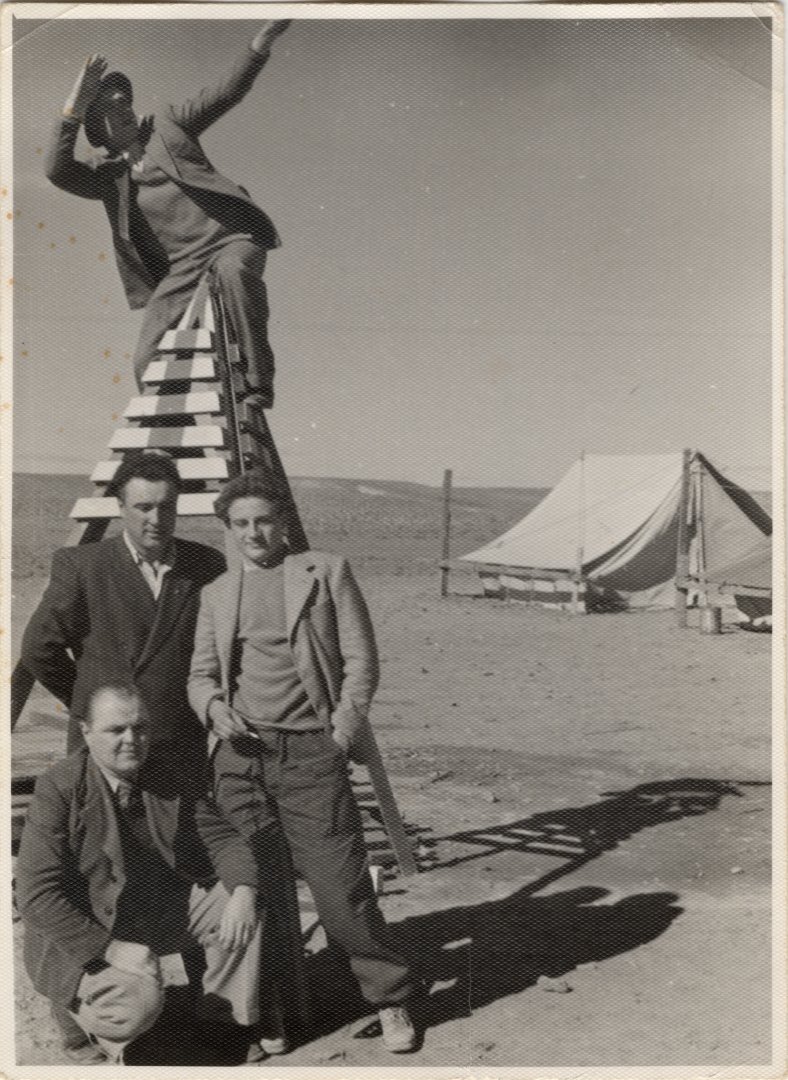
Workers camp: Pranas Stasaitis, Jonas Storpirstis

Woomera, South Australia, [1949]

Australian Lithuanian Archives, document No. PH0095

AUSTRALIAN LITHUANIANS. PART 1

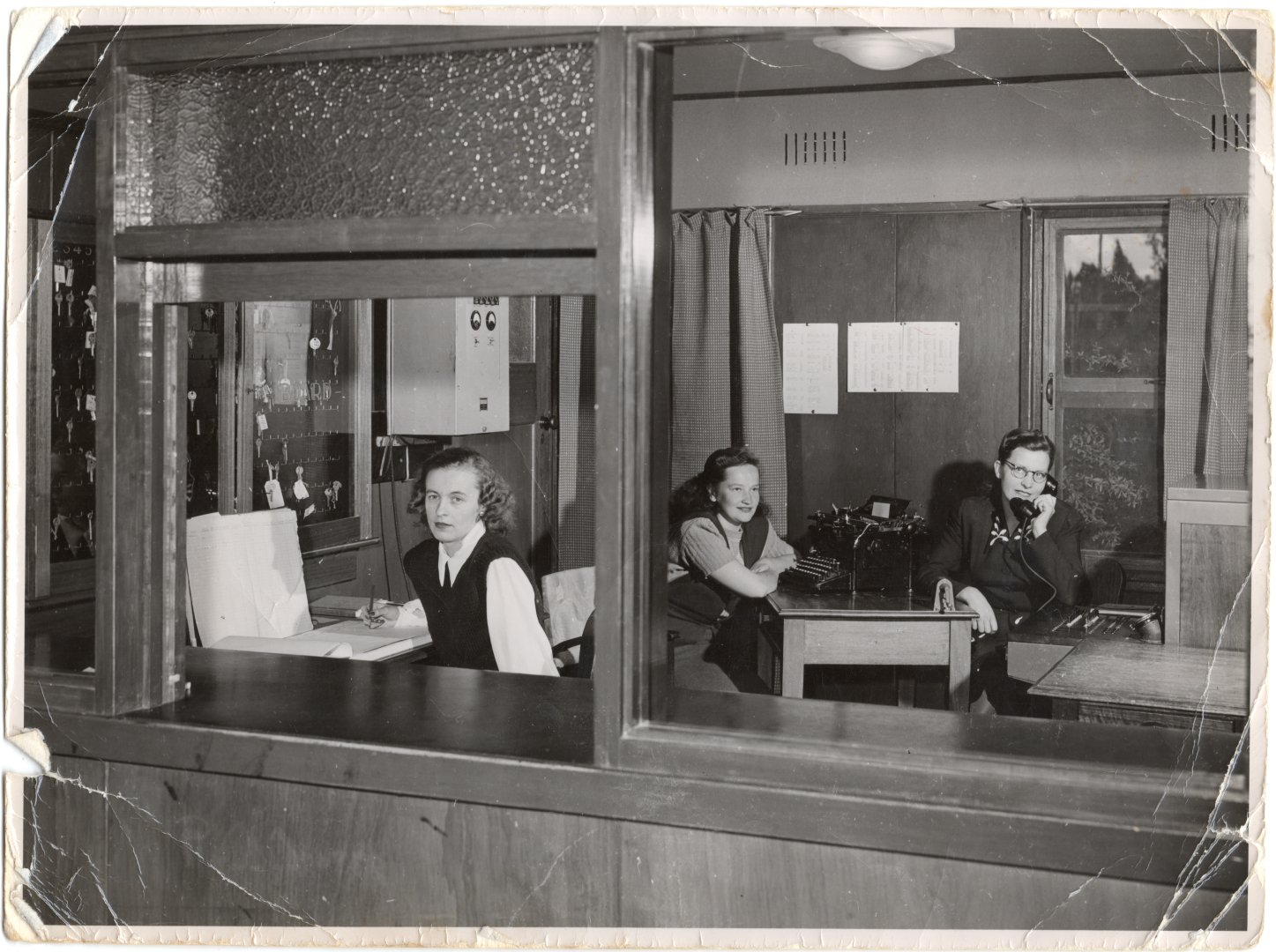
Baltic women refugees at the Mulwalla Hotel in Canberra

[1949]

Birute Tamulyte (Gruziene) in the centre, the other women are Latvian and Estonian.

Australian Lithuanian Archives, document No. PH01053

AUSTRALIAN LITHUANIANS. PART 1

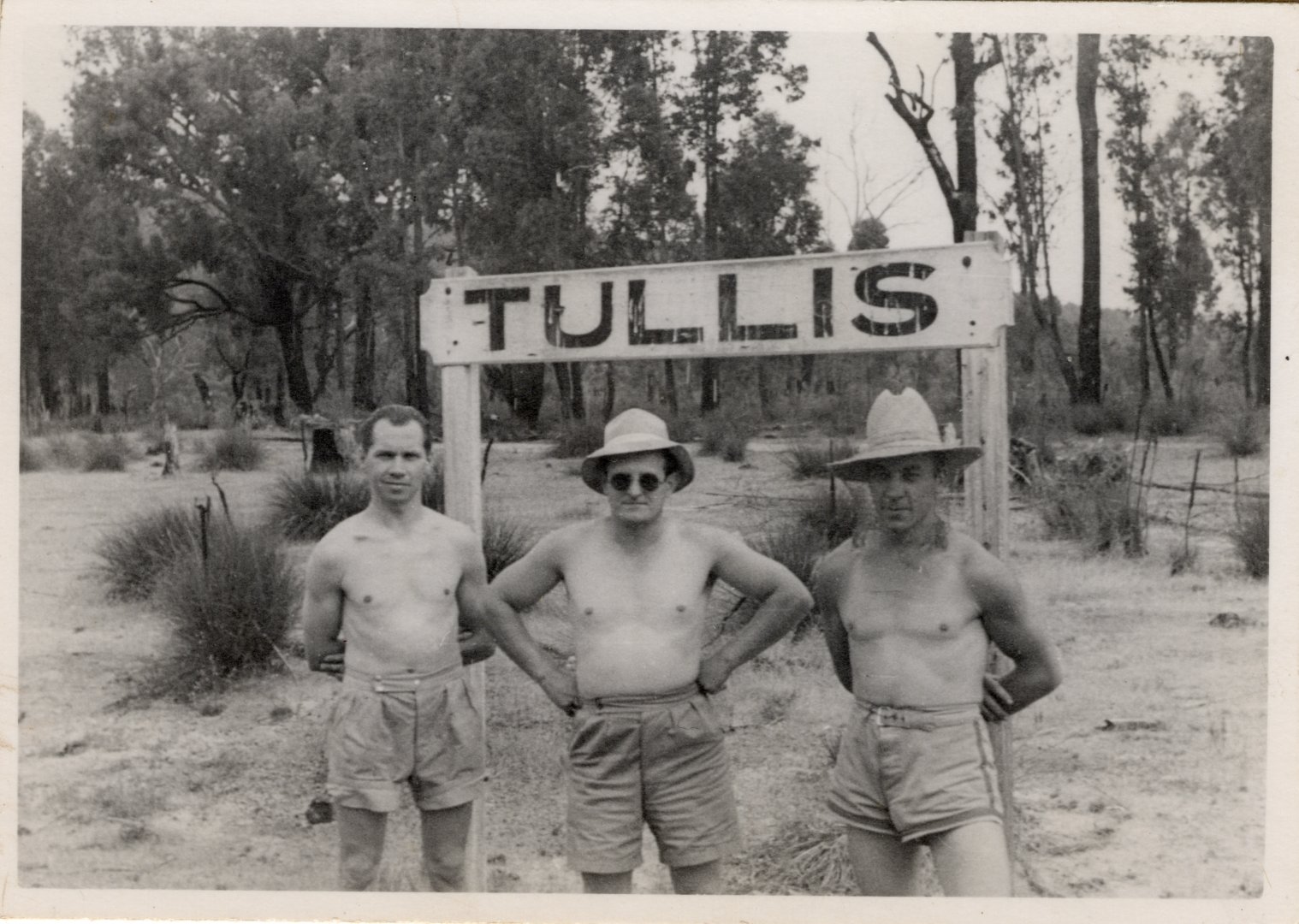
Lithuanian sawmill workers in Tullis, Western Australia

1949

Balys Nemeika – right.

Australian Lithuanian Archives, document No. PH0094

AUSTRALIAN LITHUANIANS. PART 1

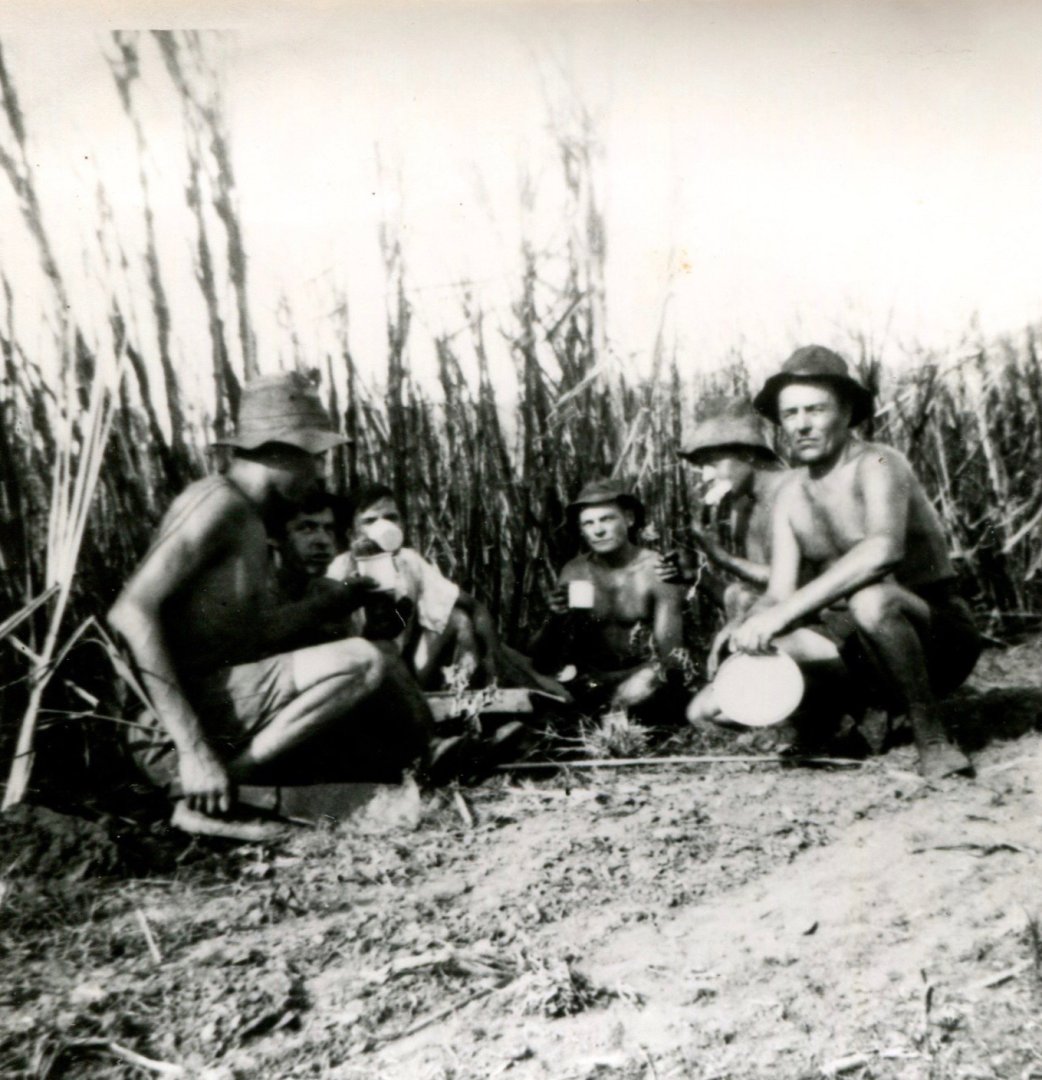
Lithuanians cutting sugar canes

Queensland, Australia, [1949]

From left: S. Juskenas, S. Bernotas, B. Malinauskas, K. Bagdonas, J. Pozera, V. Laurinaitis.

Australian Lithuanian Archives

AUSTRALIAN LITHUANIANS. PART 1

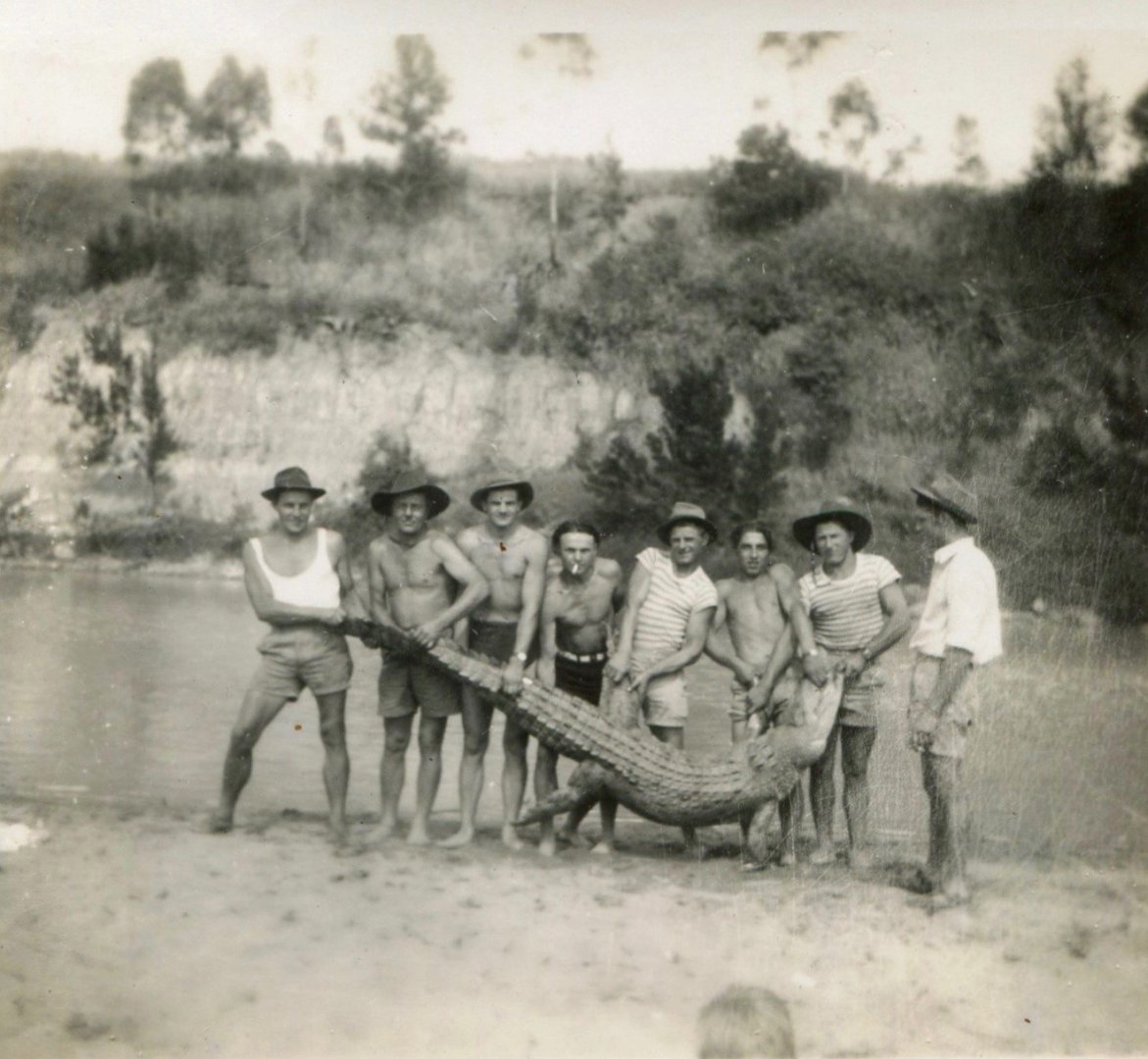
Lithuanian workers, reed cutters caught a crocodile

Queensland, Australia, [1949]

From left: V. Kasperaitis, V. Laurinaitis, Eidimtas, S. Bernotas, J. Pozera, B. Malinauskas, A. Kumpis, S. Juskenas.

Australian Lithuanian Archives

AUSTRALIAN LITHUANIANS. PART 1

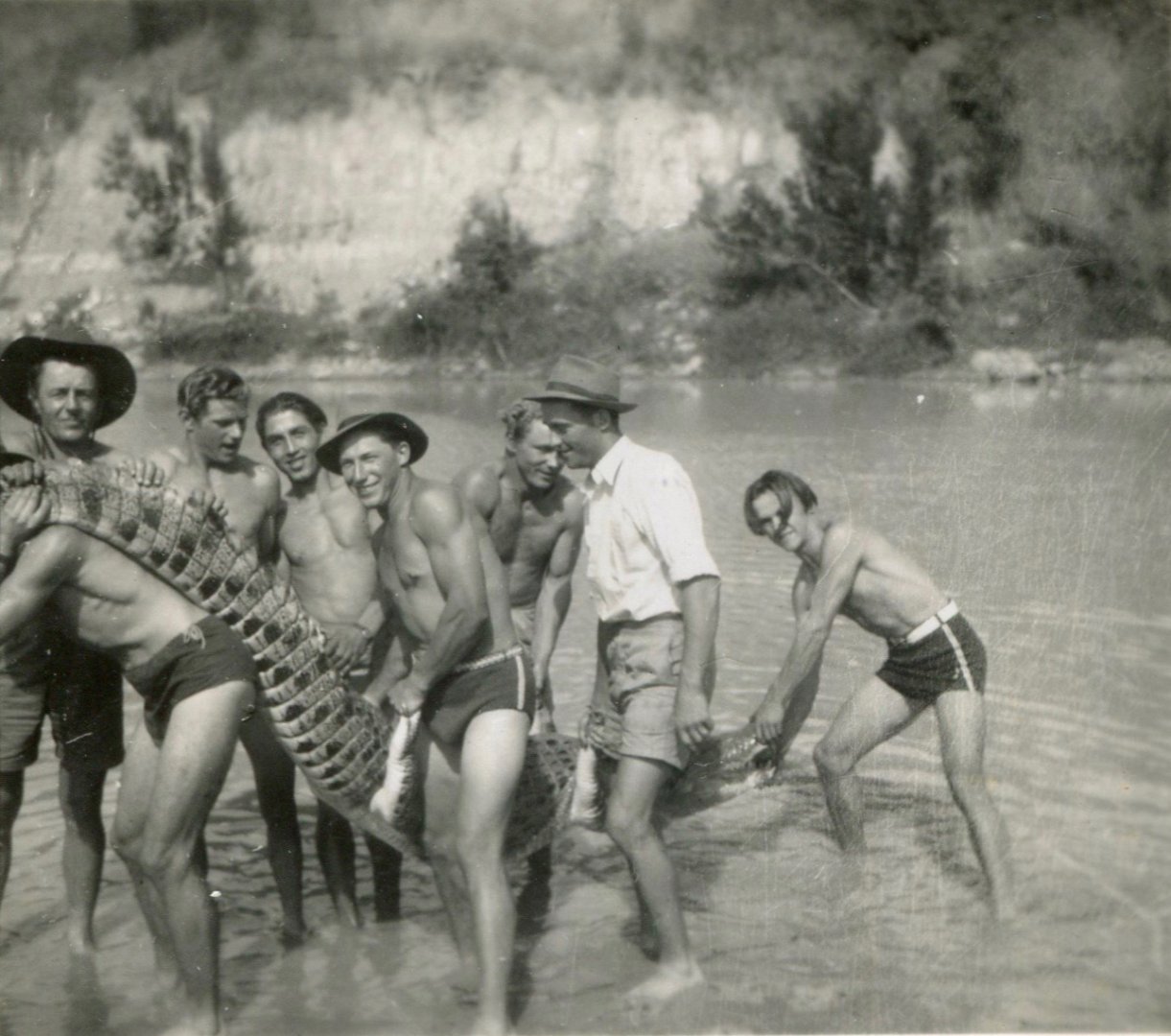
Lithuanian workers, reed cutters with a crocodile

Queensland, Australia, [1949]

From left: V. Laurinaitis, Eidimtas, J. Pozera, B. Malinauskas, A. Kumpis. K. Bagdonas, S. Juskenas, S. Bernotas.

Australian Lithuanian Archives

AUSTRALIAN LITHUANIANS. PART 1

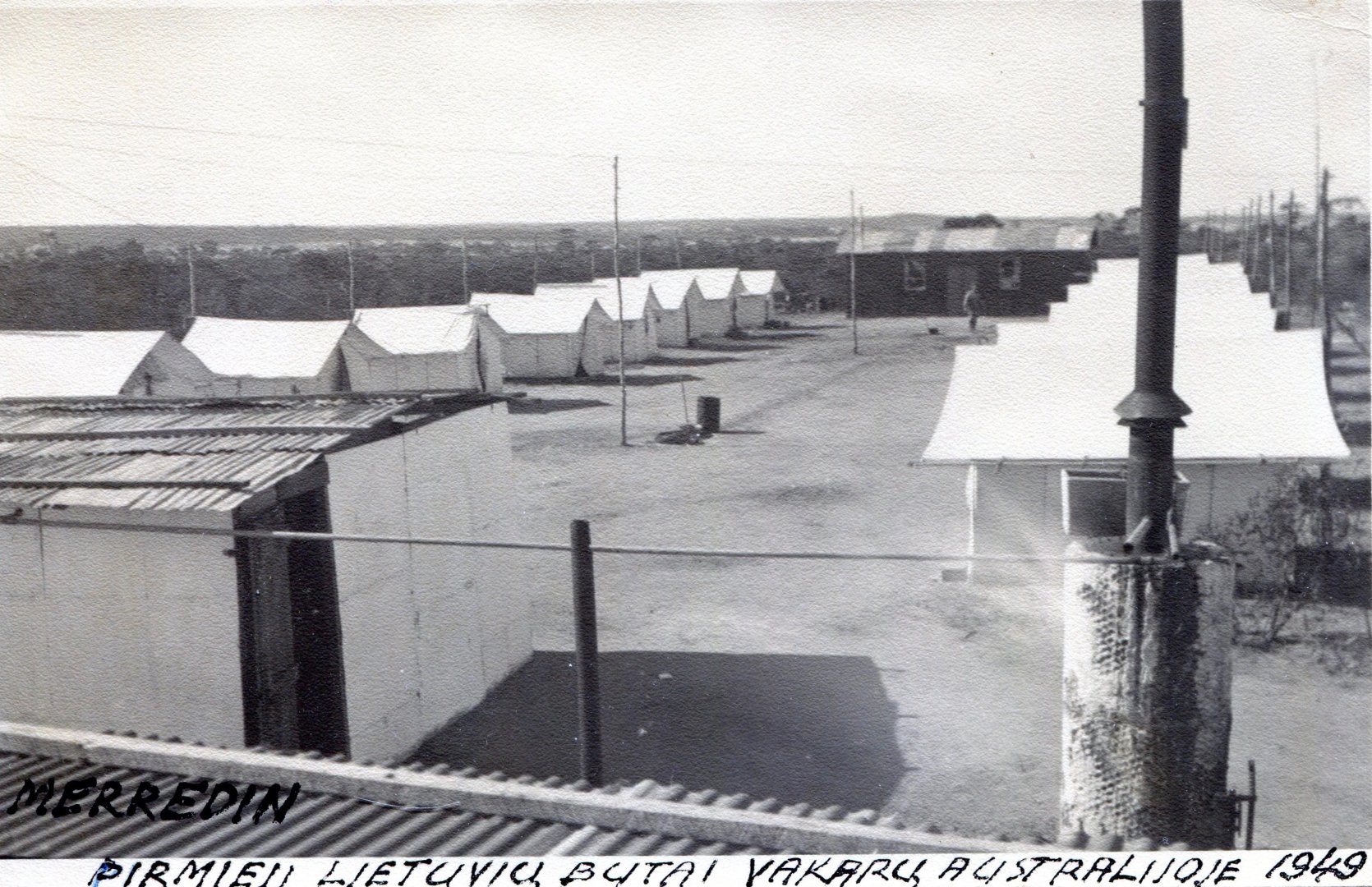
The first Lithuanian house in Merredin, Western Australia

1949

Australian Lithuanian Archives

AUSTRALIAN LITHUANIANS. PART 1

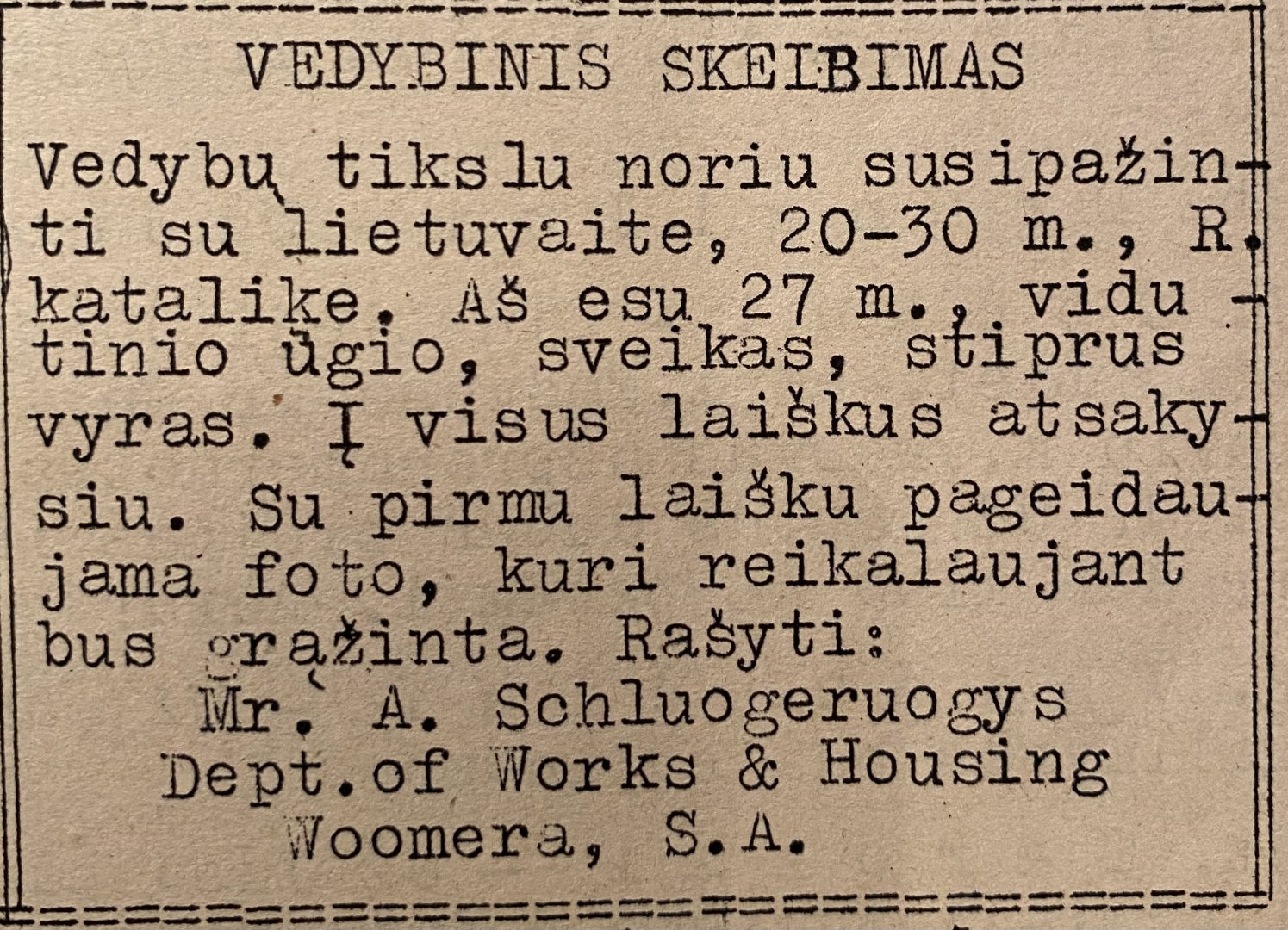
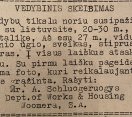
Newspaper matrimonial advertisement for a Lithuanian man from Woomera, South Australia

Australian Lithuanian Archives

AUSTRALIAN LITHUANIANS. PART 1

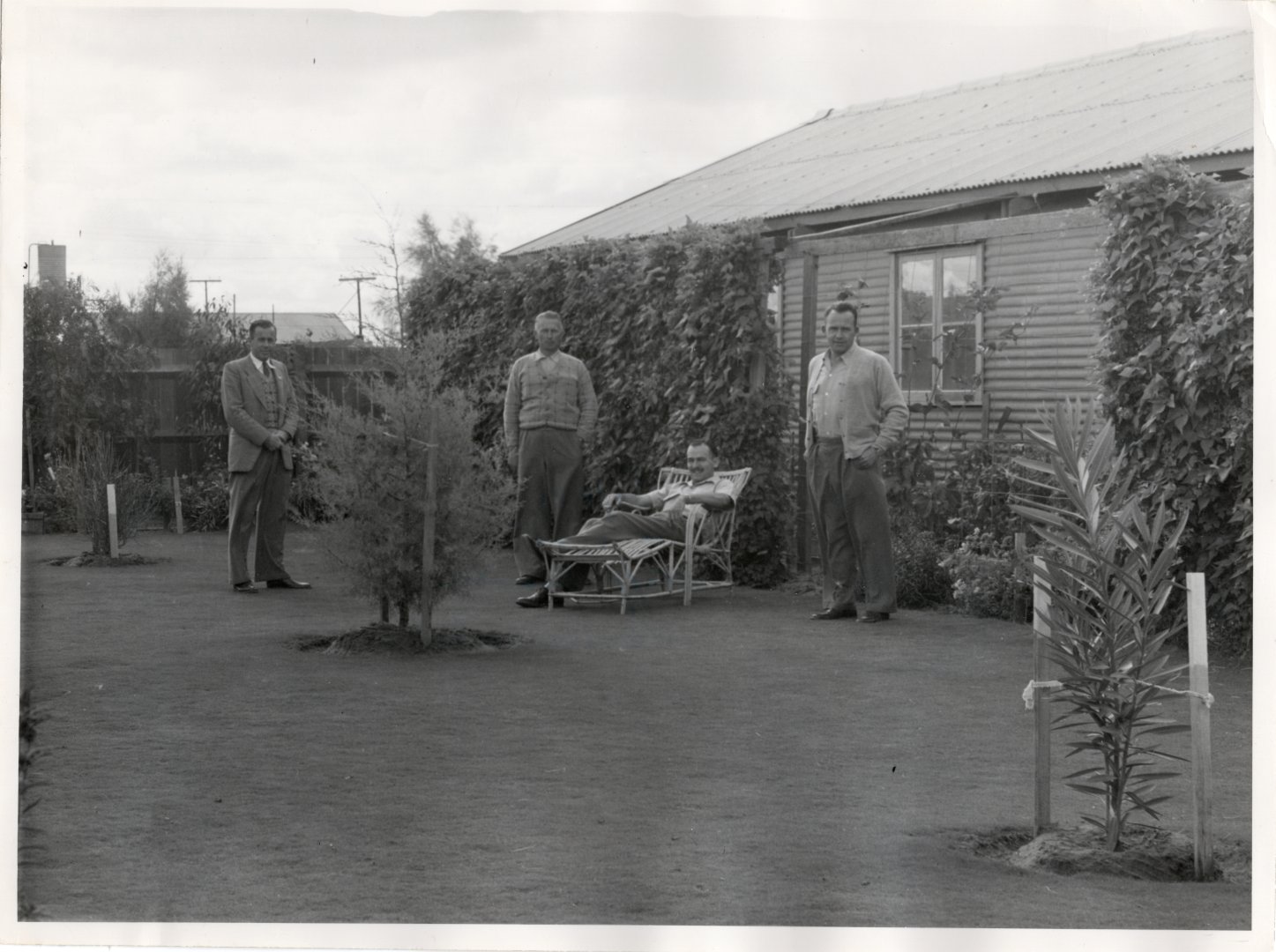
Australian Lithuanians Jonas Meskauskas and Ceslovas Dubinskas, settled in Woomera, South Australia

May 4th, 1955

Australian Lithuanian Archives, document No. PH0083

AUSTRALIAN LITHUANIANS. PART 1

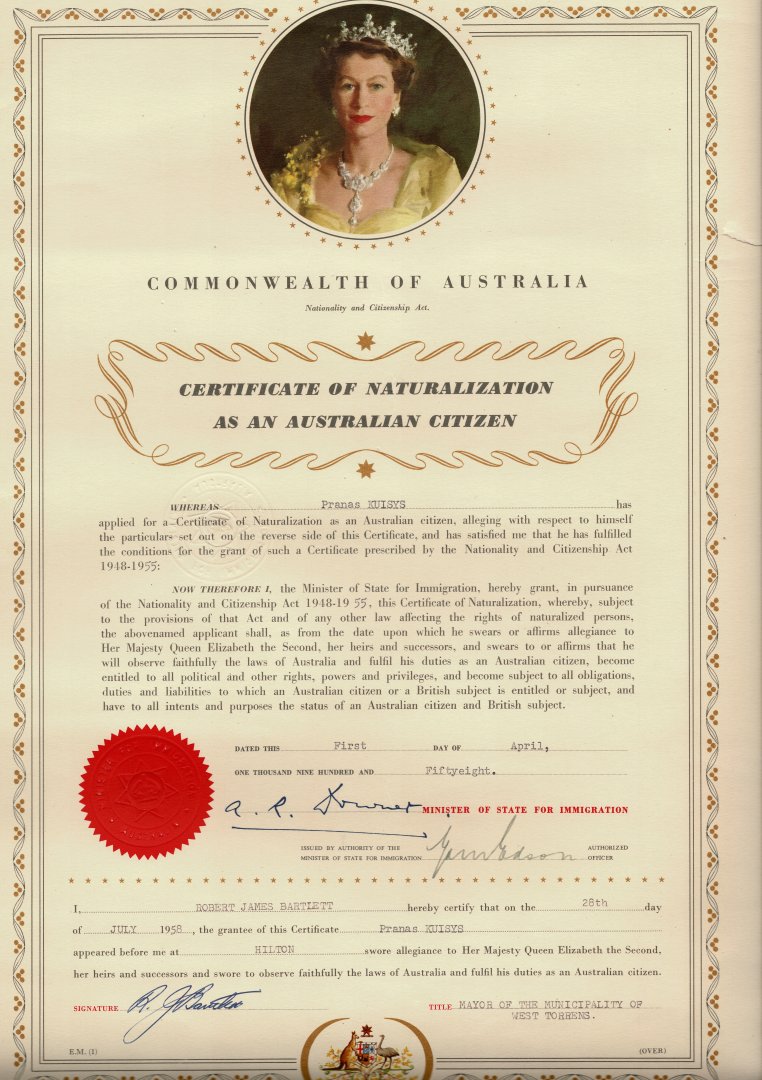
Pranas Kuisys was granted a certificate of naturalization as an Australian citizen on April 1, 1958

Australian Lithuanian Archives

Lt En